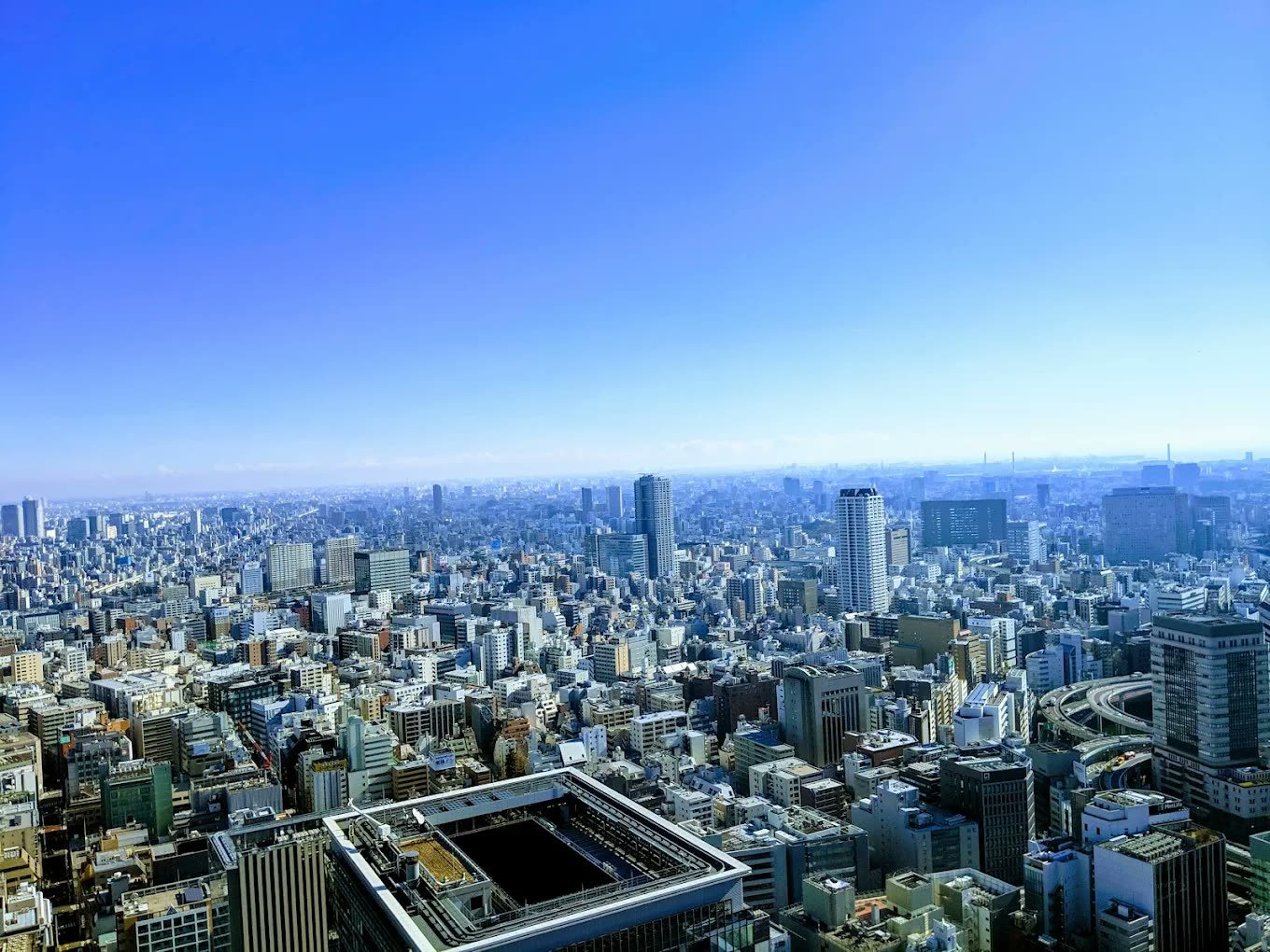
Tokyo is not one city. It is a federation of villages stitched together by the world’s best railway, and the neighbourhood you sleep in will shape your trip far more than the hotel brand on the key card. Here is how we would choose, district by district.
Ginza and Marunouchi: first trip, done properly
If this is your first Tokyo, start here. Marunouchi puts you between the Imperial Palace gardens and Tokyo Station, which means painless airport transfers and effortless day trips to Kyoto or Nikko. Ginza next door delivers the polished version of the city: department store food halls, the Kabukiza theatre, sushi counters with three seats and three Michelin stars. Hotels are big, international and consistent. The trade-off is atmosphere after 9pm, when the salarymen go home and the streets empty out.
Shibuya and Shinjuku: energy over sleep
These are the districts on the postcards, and they deliver: the scramble crossing, the neon canyons, Golden Gai’s shoebox bars, dawn ramen. Stay here if you want the city at full volume and do not mind paying for it in noise and crowds. Shinjuku’s west side is calmer, with tower hotels above the chaos and Yoyogi Park ten minutes away for morning runs.
Aoyama and Omotesando: the design set
Our own pick. Omotesando is Tokyo’s architectural catwalk, with flagship buildings by Ito, Sejima and Kuma lined up like sculpture, and the backstreets of Aoyama hide the coffee, galleries and quiet izakaya that make a week here feel lived rather than toured. You are twenty minutes on foot from both Shibuya and Harajuku but insulated from their crowds at night.
Asakusa and Yanaka: old Tokyo, slow mornings
East of the river the city drops two gears. Asakusa gives you Senso-ji at 7am before the tour groups, craftsman shops that predate the war, and ryokan-style stays at a fraction of west-side prices. Yanaka, which survived both the 1923 earthquake and the bombing, is the closest thing Tokyo has to a preserved shitamachi district: temple lanes, cats, and a cemetery walk that is lovelier than it sounds.
Otemachi and Toranomon: if money is no object
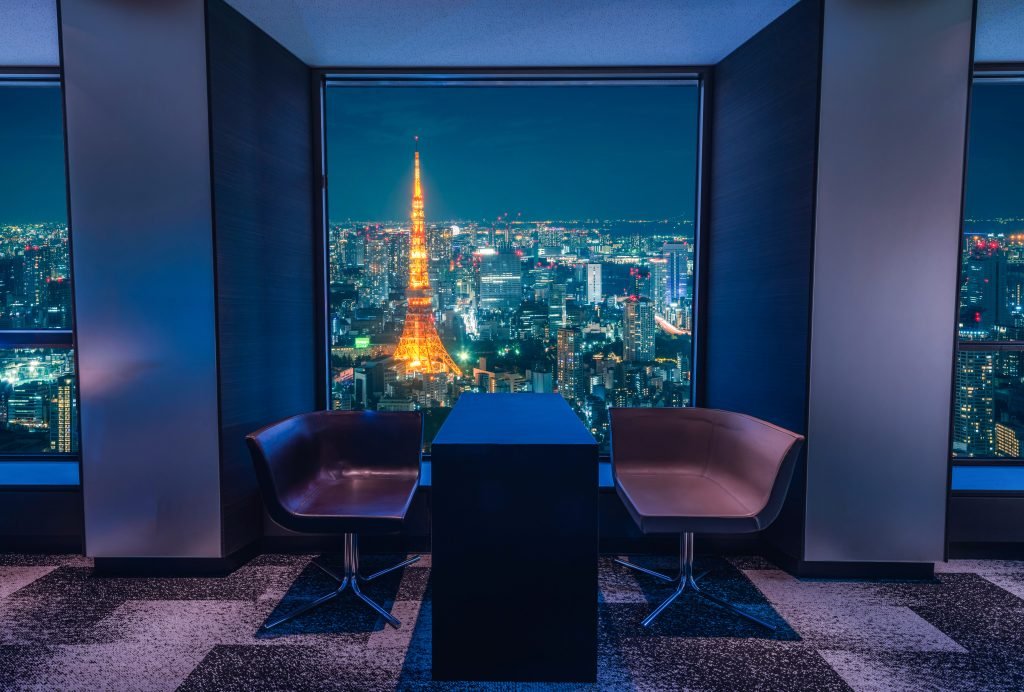
Tokyo’s newest luxury cluster sits in its business districts, which sounds unpromising and is anything but. Otemachi’s tower hotels float above the financial quarter with palace views and some of the quietest bedrooms in Asia, and the Toranomon Hills development has drawn a second wave of five-star flagships around it. The logic of staying here is the logic of Tokyo itself: absolute calm above, the metro’s densest interchange below, and the knowledge that a hotel bar on a 38th floor at dusk is one of the city’s genuine wonders. Weekends empty the district and rates soften accordingly, a quirk worth exploiting.
Nakameguro and Shimokitazawa: live like a resident
No major sights, which is the point. Nakameguro’s canal is Tokyo’s best spring walk, lined with wine bars and mid-century furniture dealers; Shimokitazawa is record shops, vintage denim and tiny theatres. Hotels are small and independent. Base here on a second or third visit, when you have nothing left to tick off and everything left to absorb.
Practical notes
Wherever you sleep, buy a Suica card at the airport and think in train lines, not distances; a hotel 200 metres from a Yamanote Line station beats a grander one 15 minutes from anywhere. Book dinner counters at least a month out, carry cash for the old town, and remember that last trains leave around midnight. After that it is taxis, or the honourable Tokyo tradition of staying out until the first train at 5am. One final rule from hard experience: never judge a Tokyo hotel by its lobby floor count or its breakfast buffet photographs. Judge it by the walk home at 11pm, because that walk, more than any thread count, is what you are really booking.