Stand in Registan Square at six in the morning, before the tour buses, and the only sound is your own footsteps against six hundred years of turquoise tile. The three madrasahs face each other across a plaza built to intimidate merchants and impress kings, and for about twenty minutes, before the gates open to everyone else, it still works. You are the merchant. You are the one being impressed.
Uzbekistan is the heart of the historic Silk Road, home to the storied cities of Samarkand, Bukhara, and Khiva, where turquoise-domed architecture and a new wave of restored heritage hotels are drawing luxury travelers to Central Asia — helped along by a visa-free policy for US citizens that took effect January 1, 2026. Come now, before everyone else does.
Why Now: The Silk Road’s Luxury Moment
Two things changed at once. First, on January 1, 2026, Uzbekistan dropped its visa requirement for US citizens entirely — no e-visa, no fee, no appointment, just a passport valid six months out and thirty days on the ground. Second, the Afrosiyob high-speed train, which now covers Tashkent to Samarkand in a little over two hours, turned a once-grueling overland route into something closer to a European rail holiday, minus the European prices.
That combination — easier entry, easier movement between cities — has done for Uzbekistan what similar shifts have done for other long-overlooked destinations: turned a someday country into a why-not-this-year one. The infrastructure is still catching up to the ambition. That’s precisely the argument for going now rather than waiting for it to.
Where to Go: Tashkent, Samarkand, Bukhara
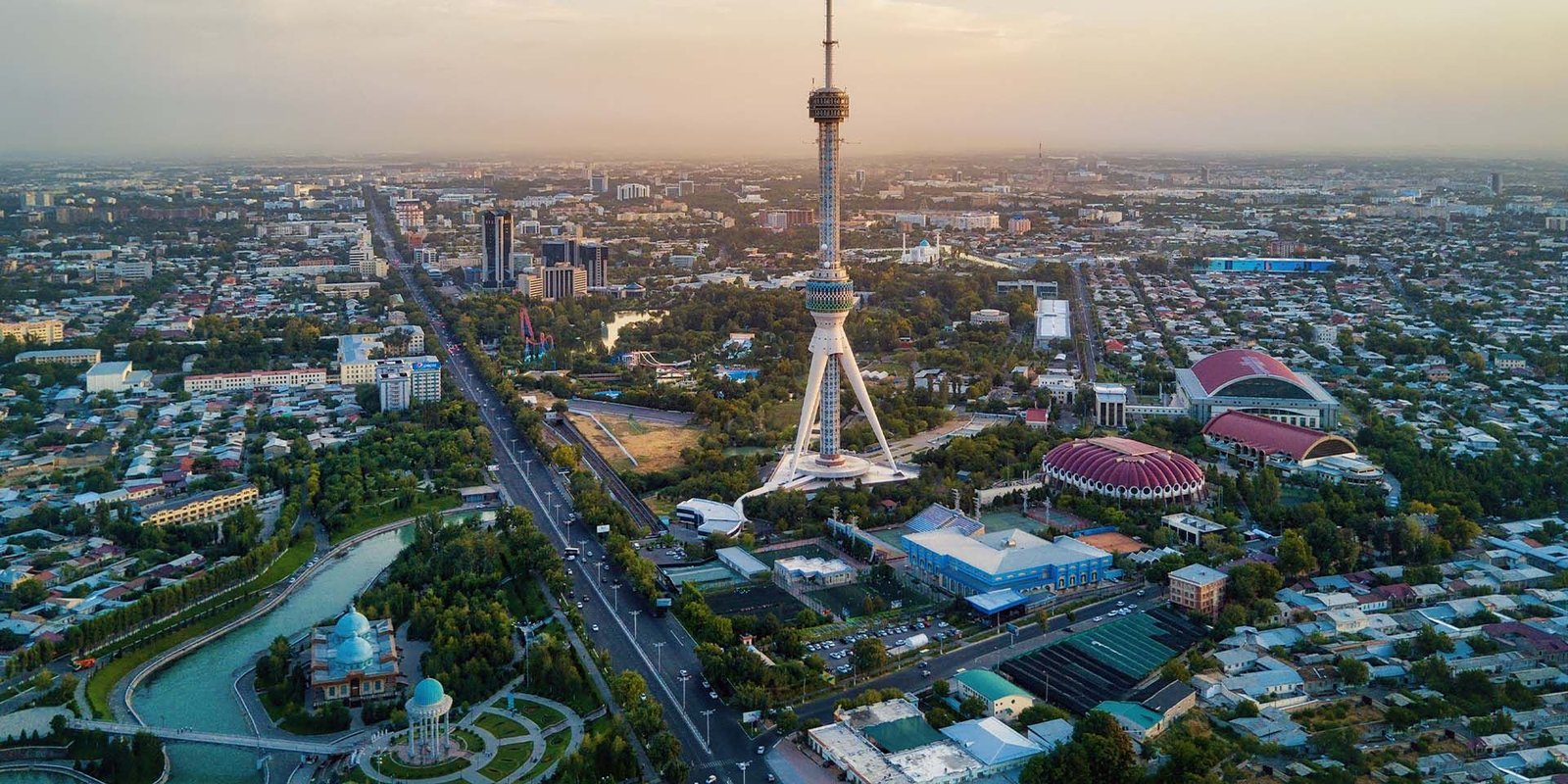
Tashkent is not why you’re coming, and it knows it. Uzbekistan’s capital is a workmanlike gateway city — Soviet-era boulevards, a genuinely excellent metro system with stations designed like small palaces, and the country’s best hotel infrastructure. The Hyatt Regency Tashkent is the reliable five-star base, with attentive service and a rooftop restaurant guests consistently single out. Use it for one night in, one night out, and no more.
Samarkand is the postcard. Registan Square anchors it, but the Gur-e-Amir mausoleum — the resting place of Amir Timur, the 14th-century conqueror who built an empire from this city — and the Ulugh Beg Observatory, built by Timur’s astronomer grandson, round out a place that takes its history seriously without turning it into a theme park.
Bukhara is the one that stays with you longer. It’s smaller, more intact, and less renovated within an inch of its life than Samarkand — a living old city where the Poi Kalyan minaret has watched over the same square since the 12th century, and where family-run guesthouses inside restored merchant mansions outnumber international hotel brands. Most travelers say Samarkand is the highlight. Spend a night in Bukhara and you may disagree.
Where to Stay
Here’s the honest part of this luxury Uzbekistan travel guide: Aman, Six Senses, Rosewood, Belmond, and Raffles have not arrived in Uzbekistan yet. If you’re loyal to a specific ultra-luxury brand, you will not find it here. Not this year.
What you’ll find instead is a different kind of luxury: restored 19th-century merchant houses converted into boutique hotels, family-run guesthouses in Bukhara’s old city, and international five-star options like the Hyatt Regency Tashkent and Hilton Tashkent City for travelers who want familiar reliability at the start and end of the trip. In Samarkand, properties like Silk Road by Minyoun offer a polished, full-service stay near the old city. None of it is Aman-level restraint or Rosewood-level design. All of it costs a fraction of what that caliber of service runs in Western Europe.
That gap won’t last. Uzbekistan’s government has spent the past several years courting exactly the kind of international hospitality investment that turned the Gulf into a luxury circuit. Go now, while the place hasn’t been smoothed over by a five-star brand standard yet.
Best Time to Visit Uzbekistan
Uzbekistan runs a genuinely extreme continental climate — summers that flirt with 100°F in the desert cities, winters that drop below freezing. Visit in spring, March through early June, or in fall, September through October, when daytime temperatures settle into the seventies and the light across the tilework turns gold instead of blinding. Both seasons draw the biggest crowds for exactly that reason, so early April or late October offers a quieter version of the same weather.
Getting There and Around
There are no direct flights from the US to Tashkent; expect a connection through Istanbul, Dubai, or Doha. Once you land, the Afrosiyob train does the real work: Tashkent to Samarkand in roughly two hours fifteen minutes, Samarkand to Bukhara in about ninety minutes, all in business or VIP class for less than the cost of a nice dinner. Book a private guide for at least the Samarkand and Bukhara legs. The history here rewards someone who can explain what you’re looking at, not just an app.
Who This Is For
This is a trip for the traveler who has already done the obvious ones, who’s tired of luxury that looks the same in every city and wants a place still figuring out what its own luxury looks like. It rewards curiosity over comfort-seeking, and it rewards travelers willing to trade turndown service and a spa menu for a courtyard where a family has lived for four generations.
It is not for anyone who needs a five-star loyalty program to follow them everywhere, or who wants a beach at the end of the day. There’s no beach. There’s also, for at least another year or two, no crowd. Stand in Registan Square at six in the morning and you’ll understand why that trade is worth making.
FAQs
Do US citizens need a visa for Uzbekistan? No. As of January 1, 2026, US citizens can enter Uzbekistan visa-free for stays of up to 30 days with a passport valid for at least six months beyond the entry date.
What is the best time to visit Uzbekistan? Spring (March to early June) and fall (September to October) offer the most comfortable weather, with daytime temperatures in the seventies; summers run extremely hot and winters are cold.
Is Uzbekistan safe for luxury travelers? Yes. Uzbekistan is consistently ranked among the safer countries in Central Asia for tourism, with a visible tourist police presence in Samarkand and Bukhara’s historic centers.
How many days do you need in Uzbekistan? Seven to ten days allows a comfortable pace across Tashkent, Samarkand, and Bukhara without rushing the Afrosiyob train legs between them; add three days for Khiva if time allows.
What is the best way to travel between Tashkent, Samarkand, and Bukhara? The Afrosiyob high-speed train connects all three cities and is faster, more comfortable, and considerably cheaper than a private driver for the same route.
Is Uzbekistan expensive to visit? No. Uzbekistan remains notably inexpensive relative to its hotel and dining quality, though the ultra-luxury hotel category that exists in Western Europe is not yet available.
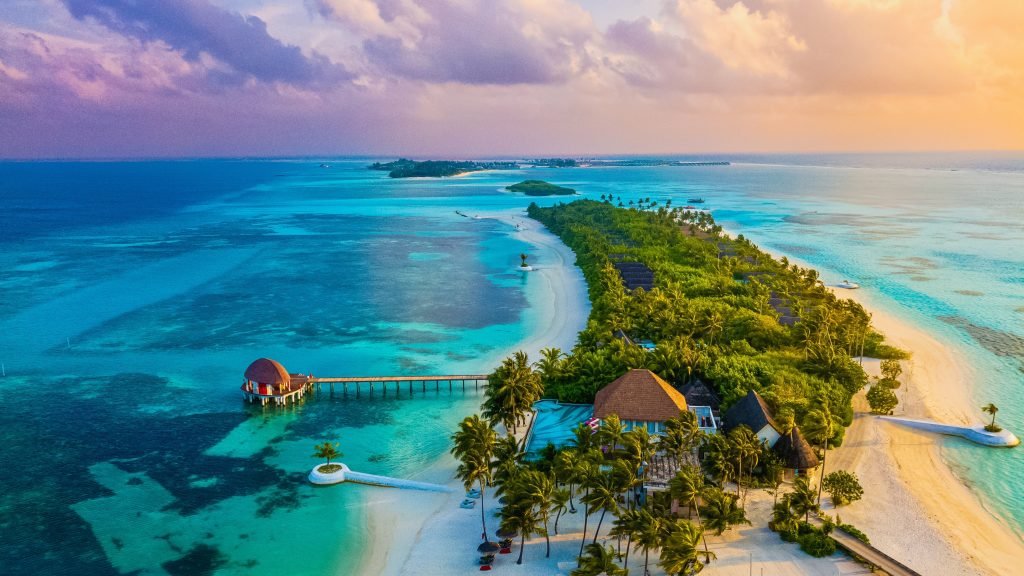
Is Uzbekistan good for a honeymoon? It suits honeymooners who want a destination built around history and architecture rather than a beach; pair it with a few days in Dubai or the Maldives if you want both.
What’s the best city to base yourself in, Samarkand or Bukhara? Samarkand has the marquee sites and better hotel infrastructure; Bukhara has more atmosphere and a more intact old city. Most itineraries should include both rather than choosing one.
Related Reading
- A Luxury Travel Guide to Bhutan (bhutan-luxury-travel-guide)
- A Luxury Travel Guide to Marrakech (luxury-marrakech-travel-guide)
- A Luxury Travel Guide to Provence, France (luxury-provence-travel-guide)