The dog found the truffle before the man did. He always does. He’s a Lagotto Romagnolo with a nose insured for more than most cars, and he’d been working the base of an oak outside Motovun for maybe ninety seconds before he sat down hard, which is apparently truffle-dog for here.
The hunter dug with his hands. Twenty minutes later we were eating what he’d found, shaved raw over handmade fuži, at a wooden table inside Motovun’s medieval walls. Nobody photographed it first. Everybody should have.
Istria, the peninsula at Croatia’s northern tip, is the country’s answer to Tuscany — hilltop stone towns, small family vineyards, and one of Europe’s densest concentrations of white truffles. The best time to visit is September through November, when truffle season opens, the wine harvest is underway, and the summer crowds have gone.
Here’s my honest take: calling Istria “the Tuscany of Croatia” is a marketing shortcut that undersells it, though I understand why it exists. Istria isn’t imitating Tuscany. It’s doing what Tuscany was doing forty years ago, before the tour buses found it — and it’s doing it while the rest of Croatia’s tourism conversation is entirely consumed by Dubrovnik’s cruise-ship math and Hvar’s beach clubs. Nobody’s paying attention to the interior. That’s the opportunity.
Why Istria, Why Now
Croatia’s coast has a crowding problem, and it’s concentrated almost entirely on the Dalmatian side. Dubrovnik manages cruise-ship arrivals with actual caps now. Split and Hvar get loud, fast, and expensive the moment June hits. Istria, an hour’s flight or a short drive from all of it, has largely avoided that fate — partly geography, partly the fact that its real draw isn’t a beach, it’s a season.
That season is truffle season, and it’s specific. White truffle hunting runs from September through January, with October and November considered peak, and the region fills its weekends with food festivals through November. Wine harvest overlaps almost exactly, meaning a week in Istria in early October gets you truffle hunts in the morning, grape harvest in small hillside vineyards in the afternoon, and a sea still warm enough to swim in if you drive down to the coast. Very few places let you do all three in the same day.
The interior towns are also having a real design moment without losing their scale. This isn’t overtourism arriving early. It’s a slower, food-and-wine-led kind of attention, which tends to be the kind a place can absorb without ruining itself. That window won’t stay open forever. It rarely does.
Where and How: An Istria Croatia Luxury Travel Guide, Town by Town
Istria rewards a loop, not a base. Three towns anchor it, and they’re deliberately different from each other.
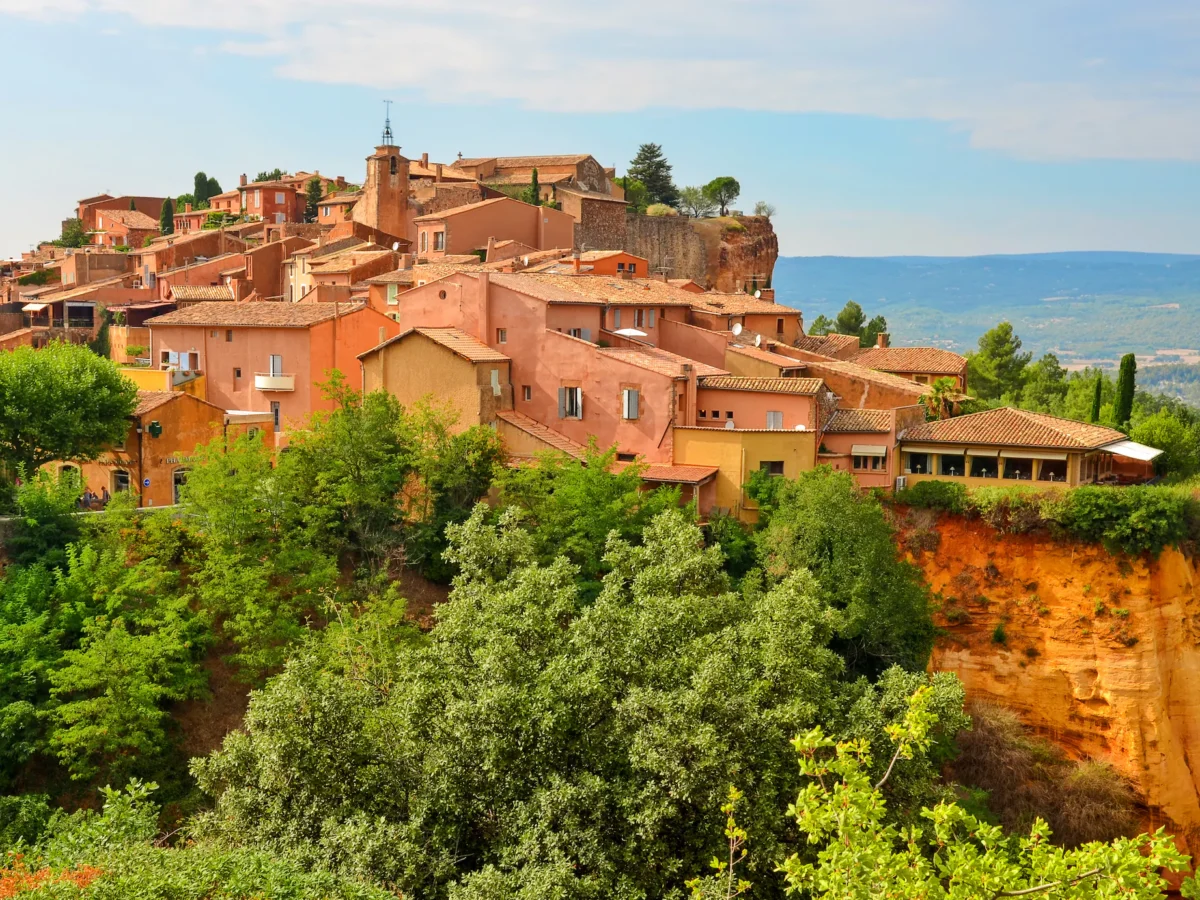
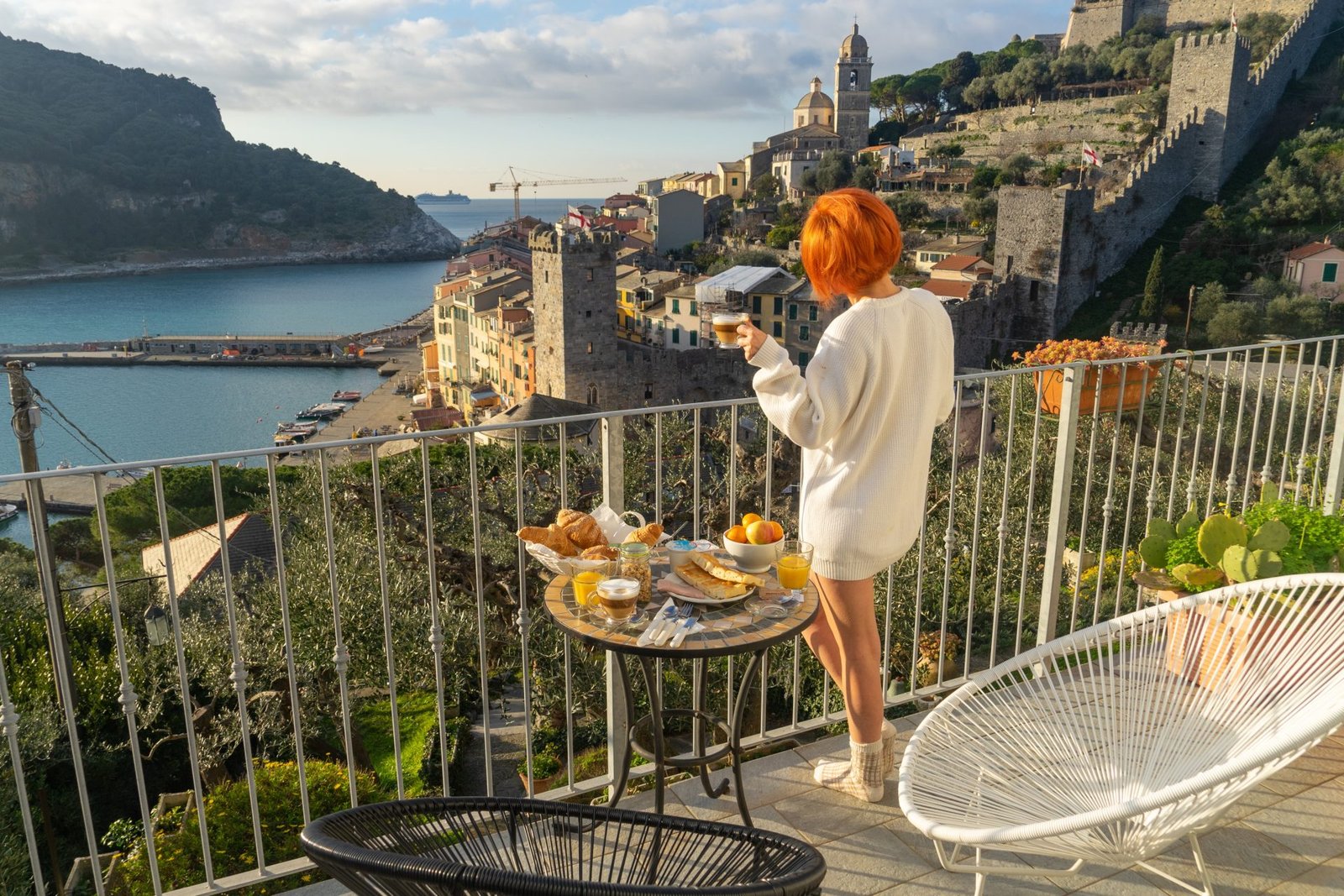
Motovun is the hilltop town everyone photographs, and it earns it — encircled by medieval walls, perched above the Mirna Valley, with views over vineyards and forest that stretch to the horizon in every direction. It’s the most visited of Istria’s hill towns, which means midsummer gets genuinely busy. Outside peak season, though, it settles into a medieval quiet that’s hard to fake and easy to feel. Konoba Mondo, tucked inside the old walls, is the most talked-about truffle restaurant in the region, and it draws a crowd even in shoulder season — book ahead or you’ll be turned away at the door, which happened to us the first night.
Rovinj, on the coast, is where you go for the sea without losing the food culture. The old town’s bell tower and pastel façades sit on a small peninsula that still functions like a fishing village at dawn, before the day-trippers arrive from Pula. Hotel Lone leans architectural and minimalist, its curved concrete exterior hidden behind mature pines with a large seawater pool. Monte Mulini, a fifteen-minute walk from the old town, is one of the country’s most established five-star addresses. Grand Park Hotel sits closer to the water, with a rooftop infinity pool looking straight at Rovinj’s skyline.
Grožnjan, the smallest of the three, is an artists’ colony wedged into a hilltop village near Buje, quiet enough that you hear your own footsteps on the stone streets. San Canzian Hotel & Residences, just outside the village, has twenty-eight rooms and suites and Michelin-recommended dining, and it’s the right base if what you actually want is silence with excellent food attached rather than a town to walk through.
Getting there is easier than the region’s low profile suggests. Pula Airport, on Istria’s southern tip, takes direct flights from a handful of European cities and puts you thirty minutes from Rovinj. Trieste, just across the Italian border, is the closer major hub for most travelers — about ninety minutes by car to Pula, with bus and ferry options if you’d rather not drive. There’s also a once-weekly train from Ljubljana, which is more novelty than plan, but worth knowing exists.
What it is: three small towns an hour apart by winding road. What it means: Istria never lets you sit still long enough to get bored of it, but never rushes you either. That’s the trick Tuscany used to pull off before it got famous.
A rental car is not optional here. The towns aren’t connected by anything resembling reliable public transport, and the whole point of the region — vineyard to hill town to coast in a single afternoon — collapses without one.
Who Istria Is For
Istria is for people who’d rather spend an afternoon with a truffle hunter than a pool bar, who find real luxury in a Michelin-recommended table nobody’s heard of, and who want a version of “wine country” that doesn’t require an American passport or a two-hour queue at a tasting room. It’s for slow travelers, in the literal sense — the region only gives up its best version of itself over four or five unhurried days, not a long weekend.
It is not for the traveler who wants classic Dalmatian coast energy: the walled-city drama of Dubrovnik, island-hopping by ferry, or Hvar’s beach-club scene running until 4 a.m. Istria has coastline, but it isn’t a beach-club destination, and pretending otherwise sets you up to be disappointed. There’s very little nightlife once you’re inland, the towns close early, and if you’re the type who needs a packed itinerary to feel like a trip was worth it, the stillness here will read as a lack rather than a feature.
That’s the honest limit. Istria trades spectacle for depth. Not everyone wants that trade, and this region isn’t going to convince you otherwise.
I think about that fuži dinner in Motovun more than almost any meal I’ve had in Europe — not because the truffle was the best I’ve ever tasted, though it might have been, but because nobody at that table was in a hurry to be anywhere else.
Frequently Asked Questions
What is the best time to visit Istria? September through November, for truffle season, wine harvest, and a sea still warm enough to swim in without the summer crowds.
Why is Istria called the Tuscany of Croatia? Because of its hilltop stone towns, small-scale vineyards, olive groves, and a food-and-wine culture that mirrors rural Tuscany before it became a tourist circuit.
How do you get to Istria, Croatia? Fly into Pula Airport directly, or fly into Trieste, Italy, and drive about ninety minutes across the border. A once-weekly train also runs from Ljubljana.
Is Motovun worth visiting? Yes, especially outside midsummer. It’s Istria’s most photographed hill town and its most crowded in July and August, but genuinely quiet the rest of the year.
When is truffle season in Istria? White truffle season runs September through January, with October and November considered peak, alongside food festivals most weekends.
Is Istria better than Dubrovnik or Split? They’re not really comparable. Dubrovnik and Split deliver classic Dalmatian coast and nightlife; Istria delivers food, wine, and quiet interior towns. Pick based on what kind of trip you actually want.
What is the best area to stay in Istria for luxury travel? Rovinj for a coastal base with strong hotels, Motovun for truffle season immersion, or Grožnjan for the quietest, most food-focused stay.
Do you need a car in Istria? Yes. Public transport between the hill towns is minimal, and the region’s whole appeal depends on moving freely between vineyards, towns, and the coast.
Related Reading
For a broader argument on why this kind of trip is having a moment, read “Why Quiet Luxury Is the Only Luxury That Matters in 2026.” Travelers drawn to Istria’s coastal side may also want “The Best Overwater Bungalow Resorts for a Honeymoon You’ll Actually Remember” for a very different but complementary escape. And for another under-the-radar Mediterranean food-and-wine region, see “The Best Private Island Resorts in the World.”