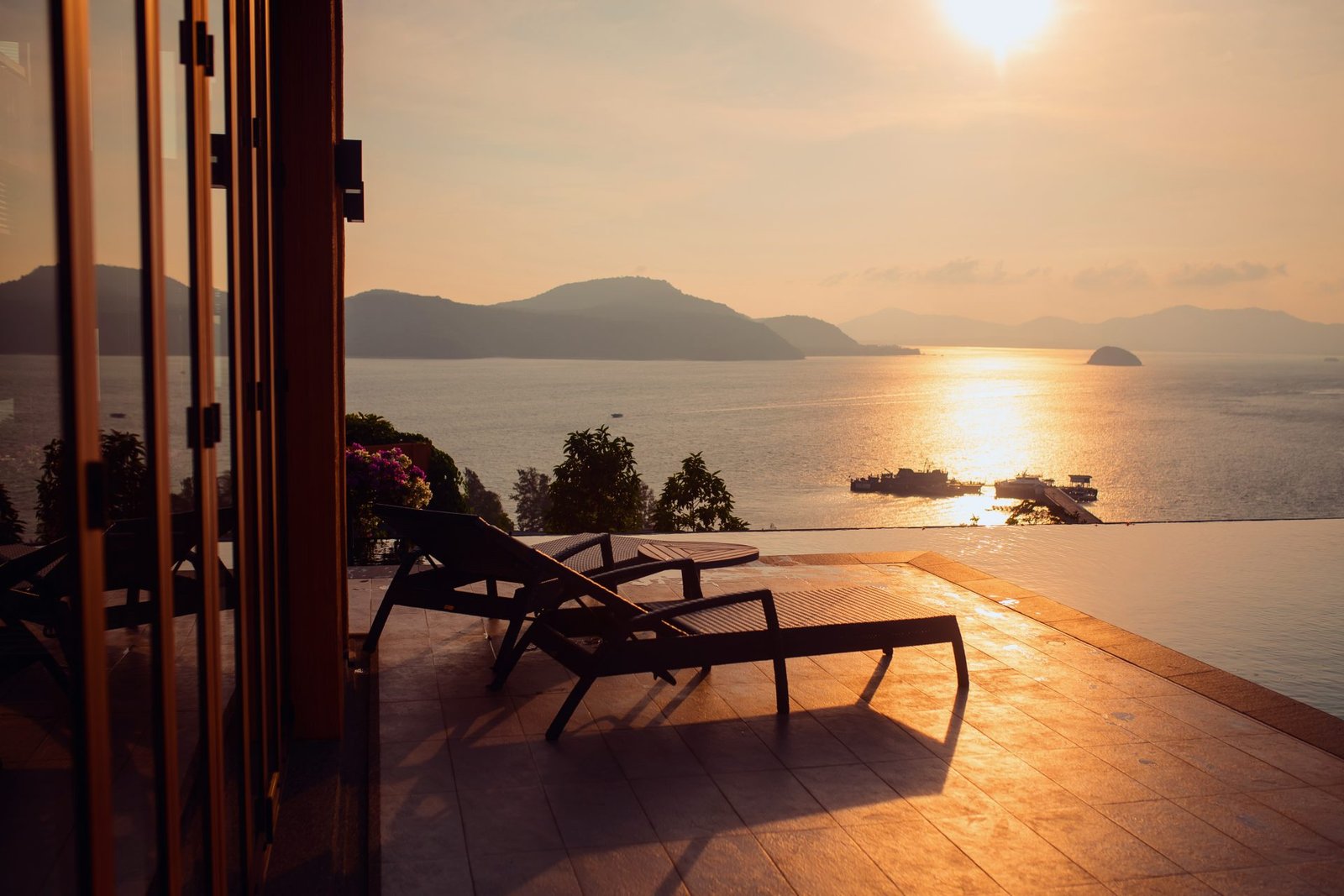
The light in Porto Cervo turns the color of rosé around seven in the evening, and for about eleven minutes, every yacht in the marina looks like it’s on fire.
I watched this happen from a table at Hotel Cala di Volpe, water glass sweating in my hand, half-listening to a couple at the next table debate whether Sardinia or the Amalfi Coast would make the better anniversary trip. Neither of them had been to either. They were choosing based on photos.
That’s usually where the Sardinia conversation starts, and it starts wrong.
The best time to visit Sardinia is September, when the sea holds its summer warmth near 77°F, daytime highs settle into the mid-seventies, luxury hotel rates drop 25 to 30 percent from August peaks, and the crowds that clog Costa Smeralda’s marinas in July have already gone home. June runs a close second, for travelers who want full summer conditions without the price spike or the elbow-to-elbow beaches.
Here is my actual point of view, though, and I’ll say it plainly: stop calling Sardinia “the next Amalfi Coast.” Every outlet, this one included, keeps reaching for that comparison, and it undersells the place. Amalfi is a stage. Sardinia is a hideout. One was built for spectators. The other was built for people who’d rather not be watched at all.
Why Sardinia, Why Now
The Amalfi Coast is having a reckoning it can’t hide from anymore. Footage of Positano’s cliffside lanes packed shoulder to shoulder went viral again this spring, with locals describing streets so full of day-trippers they felt confined to their own apartments. The coast still delivers the postcard. It just makes you fight several thousand other people for the same eleven feet of it.
Sardinia, meanwhile, has quietly become the destination the people who used to go to Amalfi are choosing instead. High-end interest in the island has climbed sharply over the past year, helped along by a wave of new direct flights from London to Olbia that removed the last real logistical excuse. Call it what it is: money moving toward privacy. The travelers who can go anywhere are choosing the place where no one is filming them getting off the boat.
There’s a broader shift underneath this, too. Travelers in 2026 are noticeably more crowd-averse than they were even three years ago, favoring longer stays in smaller places over checklist-hopping through famous ones. Sardinia rewards exactly that instinct. It punishes the opposite one — you cannot rush this island, and you shouldn’t try.
Where and How: The Best Time to Visit Sardinia, Region by Region
Sardinia isn’t one destination. It’s at least two, and they don’t resemble each other.
Costa Smeralda, in the northeast, is the Sardinia most people picture — Porto Cervo’s marina thick with tenders, pastel villas terraced into the hillside, a bar bill that reads like a typo. Hotel Cala di Volpe, built in the 1960s to look like a fishing village that had always been there, is the anchor property: pastel façades, wooden beams, terra-cotta tile, one of the largest saltwater pools on the Mediterranean, and a private beach reserved for guests. Down the coast, Hotel Romazzino leans quieter and more family-oriented, with its own strip of sand and a genuinely good spa. Fly into Olbia Costa Smeralda airport, which now runs frequent direct routes from London and most major European hubs; the drive into Porto Cervo takes twenty-five minutes.
Here’s the meaning pivot worth sitting with: Cala di Volpe was designed to look unfinished, unplanned, almost accidental — a village, not a hotel. That’s the whole philosophy of Sardinian luxury in one building. It isn’t trying to impress you. It’s dressed down on purpose, which is a much harder trick than dressing up. Most of Costa Smeralda’s grand hotels close for the winter, typically October through April, which tells you something honest about who this coast is actually built for: it’s a summer performance, not a year-round life.
Then there’s Ogliastra, the wilder province to the south and east, where Sardinia stops performing altogether. The Gulf of Orosei is a stretch of limestone cliffs dropping straight into water so clear it looks retouched, and Cala Gonone is the small harbor town you base yourself in to see it. There’s no five-star strip here — you get boat charters, sea caves, hiking trails through the Supramonte, and a stillness Costa Smeralda has priced itself out of. A boat captain I spent an afternoon with in Cala Gonone, who’s worked this coastline for over twenty years, put it simply: “In Porto Cervo they look at boats. Here, we get in them.” Getting to Ogliastra takes effort — about two hours by car from Olbia, or a summer-only flight into tiny Tortolì airport connecting from Rome, Milan, and Verona. The effort is the point. It’s what keeps this coast from becoming the next Costa Smeralda.
That’s the real thread through the whole island. Costa Smeralda gives you spectacle. Ogliastra gives you space. Most visitors need to taste both to understand which one they actually came for.
October offers a genuine third option worth flagging: the sea is still swimmable near 70°F, crowds thin by as much as 80 percent versus August, and rates can run 40 to 50 percent below peak — though by mid-month, some Costa Smeralda properties have already shuttered for the season, so confirm opening dates before you book.
Who Sardinia Is For
Sardinia is for the traveler who wants a boat more than a boutique, who’d rather anchor in a silent cove for three hours than photograph a famous staircase, and who finds real luxury in not being looked at. It’s for people who’ve done Positano and left wanting quiet instead of another view.
It is not for someone chasing Amalfi’s vertical drama — the cliffside towns stacked on top of each other, the lemon groves, the walkability that lets you hop from Positano to Ravello without ever renting a car. Sardinia is spread out. You will need a car, or a driver, and you will spend real time on the road between the coast you flew in for and the coast you actually came to see. It’s also not the move if you want nightlife with density — Porto Cervo has a scene, but it’s small, seasonal, and closes by November. And it isn’t a budget alternative to Italy’s south. A week that mixes Costa Smeralda and Ogliastra properly will cost what a week in Amalfi costs, sometimes more, for less name recognition and, frankly, better odds of actually resting.
That trade-off is the whole offer. You give up recognition. You get the eleven minutes when the marina lights up and nobody’s phone is out.
I think about that light in Porto Cervo often — not because it was the most beautiful thing I saw that week, but because it was the only moment all week where I wasn’t checking whether anyone else was watching it too.
Frequently Asked Questions
When is the best time to visit Sardinia? September is the strongest month overall — warm sea, thinned-out crowds, and hotel rates 25 to 30 percent below August. June is the best alternative for full summer conditions at a lower price.
Is Sardinia better than the Amalfi Coast? It depends what you’re solving for. Amalfi wins on drama and walkability; Sardinia wins on privacy, space, and not fighting crowds for the same view everyone else came for.
How do you get to Sardinia? Fly into Olbia Costa Smeralda for the northeast, or Cagliari for the south. Olbia now has frequent direct flights from London and most major European cities.
Is Costa Smeralda worth visiting? Yes, for the marina culture, the design history of hotels like Cala di Volpe, and the standard of service. Just know most grand hotels there close for winter, roughly October through April.
What is the best area to stay in Sardinia for luxury travel? Base in Costa Smeralda for the classic glamour, or Ogliastra around Cala Gonone for a quieter, boat-driven trip. A week split between both gives the fullest picture.
Is Sardinia expensive? Yes, particularly Costa Smeralda in July and August. September and October bring meaningful discounts without sacrificing weather.
How many days do you need in Sardinia? Seven to ten days lets you properly experience both the northeast and the wilder south without rushing the drive between them.
Is Sardinia good for a honeymoon? Very much so, especially for couples who want privacy over a famous backdrop. Book Costa Smeralda for the first half and Ogliastra for the second.
Related Reading
For more on the philosophy behind this kind of trip, see “Why Quiet Luxury Is the Only Luxury That Matters in 2026.” If Costa Smeralda’s grand-hotel history appeals to you, our review of “Four Seasons San Domenico Palace, Taormina” covers a similar Italian design lineage. And for travelers weighing Sardinia against other under-the-radar coastlines, “The Best Private Island Resorts in the World” is a useful companion read.