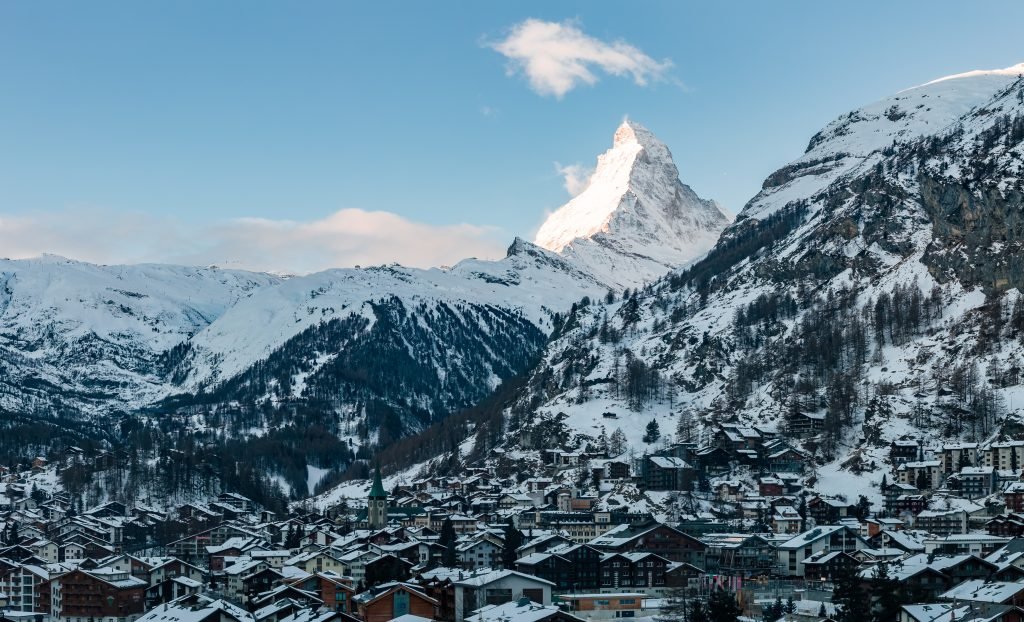
The mountains have been selling health for two centuries. Thomas Mann set The Magic Mountain in a Davos sanatorium because the Alps were where Europe went to breathe; the grand hotels of St Moritz and Zermatt were built on train lines and doctor’s orders. What is new is the sophistication. The current generation of alpine wellness retreats has swapped the cuckoo-clock spa for diagnostics, altitude science and architecture worth the journey alone.
Why the Alps, why now
Partly it is climate: summer heatwaves have made high-altitude Julys genuinely pleasant while the Mediterranean swelters. Partly it is the longevity boom, which has money looking for places that promise measurable results rather than whale music. The Alps had the infrastructure waiting: clean air, thermal springs, hospitals nearby and a hotel culture that has been managing demanding guests since the 1860s. Rail access matters too: most of the serious Swiss retreats are two changes at most from Zurich airport, which means arriving rested instead of starting the week with a mountain drive. Few wellness destinations anywhere can say the recovery begins on the train.
The medical turn
The defining shift is clinical. The new wave offers blood panels on arrival, sleep labs, VO2 max testing and physicians on staff, with programmes lasting a week or more. Done well, it is transformative; done cynically, it is a stethoscope draped over a price rise. Our rule: if the doctor consultation happens before you book rather than after you arrive, the medicine is real. If the “longevity programme” is a facial with a questionnaire, it is not.
What a week costs
Set expectations before the brochure does. A genuine medical programme, with diagnostics, consultations and a structured week, starts around 6,000 Swiss francs before the room and climbs steeply with add-ons; a design-led thermal retreat without the clinical layer can be had for a third of that. The honest budgeting question is what you want to bring home. Blood markers and a plan cost clinic money; a reset nervous system and a week of alpine sleep cost hotel money. Both are legitimate purchases, but only one of them needs a doctor.
Design finally matters
Peter Zumthor’s thermal baths at Vals proved thirty years ago that stone, water and silence could outperform any treatment list, and the industry has finally caught up. New builds favour quiet materials, pools aimed at glaciers, and saunas with a view instead of a basement. The best retreats understand that the architecture is the therapy’s first dose.
Where we would book
For the full spectrum in one property, The Dolder Grand above Zurich remains hard to beat: a 4,000 square metre spa, serious art on the walls and the city ten minutes downhill when the serenity needs interrupting. It is the rare grand hotel where the wellness floor is the point rather than the afterthought.
Beyond the Alps
The model is spreading along other ranges. In Bhutan, Amankora’s Thimphu lodge pairs hot-stone baths with a valley circuit that does more for the nervous system than any machine, and in the Canadian Rockies Fairmont Jasper Park Lodge offers the North American translation: lake swims, cabin quiet and dark-sky stargazing as therapy. The mountains, it turns out, were the treatment all along; the new retreats have simply learned to prescribe them properly.
How to choose
Decide first whether you want results or rest, because the two run on different timetables. A medical programme needs five nights minimum to justify its testing; pure decompression needs three and a no-laptop rule. Either way, book the highest room you can afford and go in summer. The crowds follow the snow, and the mountains are at their kindest when they have it to themselves.