I once watched a woman in Rome photograph the Colosseum for eleven straight minutes without looking at it once, except through her screen. She got the shot. Angle, light, the tour group cropped out just in time. Then she checked it, nodded, and walked off toward the next stop on a laminated itinerary, already thinking about the Trevi Fountain. She never actually saw the Colosseum. She saw a photo of the Colosseum, taken in real time, in person, at considerable expense. I think about her often, because for years I traveled exactly like her and called it luxury.
What luxury travel means in 2026 has quietly changed. It’s no longer defined by the number of famous places you can check off in a single trip, but by depth of access, unhurried time, and personal relevance, private experiences over public landmarks, and staying long enough to actually be somewhere.
The Checklist Was Never the Point, Even When We Thought It Was
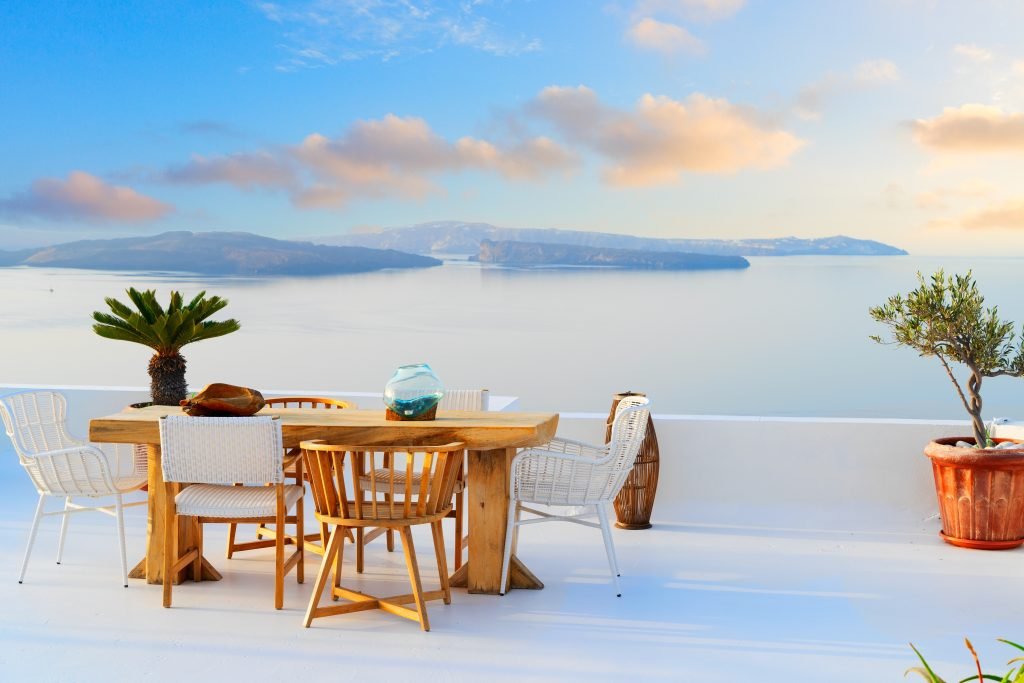
Bucket-list travel had a good run. It gave people a shared vocabulary, a set of trophies everyone recognized, a Colosseum, an Eiffel Tower, a Santorini sunset, that proved you’d arrived, financially and otherwise. But here’s the gentle contrarian read, and I’ll defend it plainly: bucket lists made you a tourist even at five-star prices. You could stay at the best hotel in Paris and still spend your trip the way a day-tripper spends a layover, sprinting between landmarks, collecting evidence instead of experience. Money bought you a nicer bed to collapse into after a day of proving you’d been places. It didn’t buy you presence.
That word is doing real work in this piece, so let me be direct about it. Presence is the thing bucket-list travel quietly sacrifices for coverage. You cannot be fully present at the Colosseum and simultaneously composing the caption for it. You can do one or the other. For a long time, luxury travel let you believe you could do both, so long as you paid enough. In 2026, the travelers actually setting the tone have stopped believing that.
What’s Replacing the Checklist
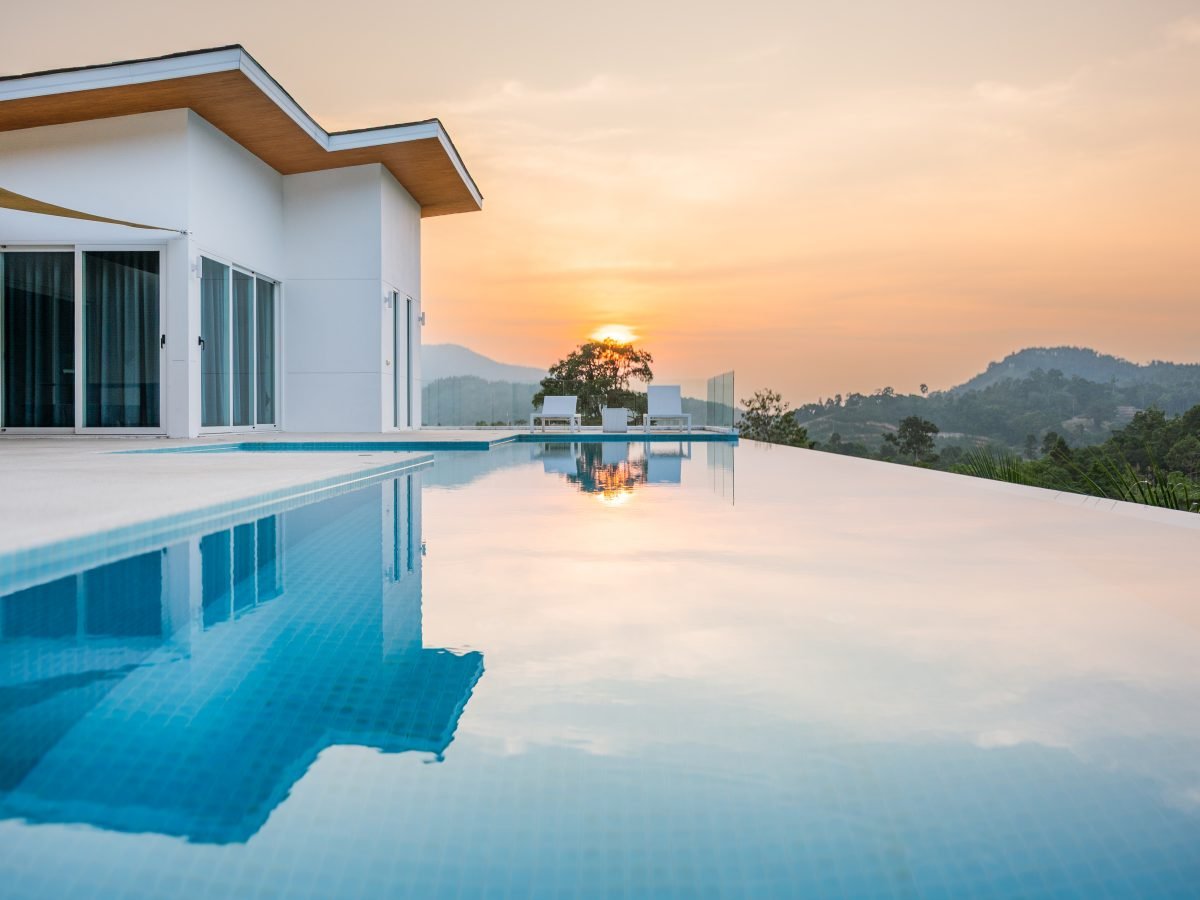
The data backs this up plainly. Luxury travelers are increasingly choosing private residences, exclusive villas, and members-only communities over traditional hotel stays built for volume. HomeExchange, hardly a fringe platform anymore, reported more than 270,000 members across 155 countries in 2025, growth of 43 percent year over year, with 15 million overnight stays projected for 2026. That’s not a niche behavior. That’s a meaningful slice of the travel economy quietly voting for depth over distribution.
Slow travel is the mechanism. Extended stays, single-destination trips, itineraries built around understanding a place rather than sampling it. Where a bucket-list trip might route you through four countries in ten days, the 2026 version routes you through one region, sometimes one town, for the same ten days, and asks you to actually learn its rhythms. Where the market gets it right, the payoff is real. Where it gets it wrong, it’s just bucket-list travel with better sheets, a five-star hotel bolted onto a checklist itinerary that never slowed down to begin with.
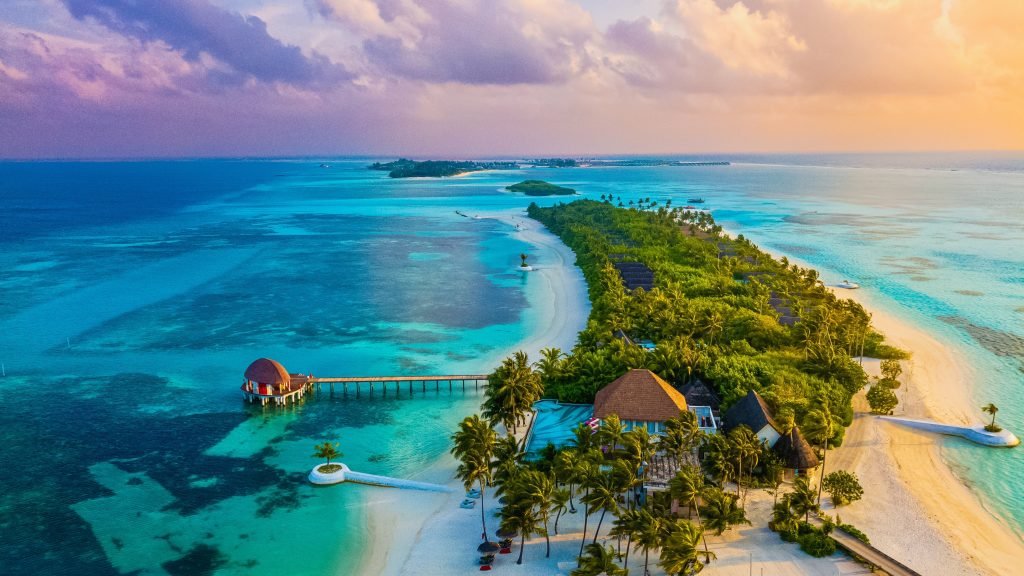
I’d put private-island stays in that second category more often than the marketing suggests, honestly. The privacy is real. The depth isn’t automatic just because you’re the only guest.
The Meaning Pivot: Seeing Versus Noticing
For most of my career in this industry, “seeing” a place meant visually collecting it. You saw the Sagrada Família. You saw the Amalfi Coast. Seeing was a box, checked, documented, done. What luxury travel means in 2026 requires a different verb entirely: noticing. Noticing the exact sound a specific fishing village makes at 6 a.m. before the day boats start. Noticing which of the trattorias the owner actually eats at himself, which is never the one with the view. Noticing the eleven-minute gap between when a landmark is crowded and when it’s briefly, completely still.
You cannot notice on a schedule built for seeing. That’s the trade a lot of high-spending travelers still haven’t made, and the travel advisors closest to this shift know it. A villa manager I know in Umbria, the kind of person who’s hosted the same families summer after summer for close to twenty years, told me the requests have changed. Guests used to arrive with a printed list: this hill town, that vineyard, this church with the fresco. Now they arrive and ask her for one thing. What should we not miss, because we’re only going to have time for one thing. She said it like it was a relief. I think it was.
Named for What It Isn’t
Here’s the expectation flip worth sitting with. You’d assume more exclusivity means access to more, more places unlocked, more doors opened, more of the map covered at a level nobody else can reach. The opposite is closer to true in 2026. Real exclusivity now means access to less, held longer, understood more completely. A private evening in a museum after closing beats a fast-tracked ticket through it during the day. A single, unhurried dinner with the winemaker beats a tasting room tour of six vineyards in an afternoon. The luxury isn’t the number of doors. It’s the time spent standing in one of them.
Measured against that standard, the best trips in 2026 are increasingly defined by what you didn’t see, because you were too busy actually being somewhere to go looking for the next thing to see.
Who This Doesn’t Serve
I want to be honest about the limits here, because gentle contrarianism curdles into smugness if it pretends everyone should travel this way. Bucket-list travel still matters enormously for first-time travelers, for the parent taking a child to see the Eiffel Tower for the first time, for anyone building the foundational travel literacy that later makes slower, deeper trips even possible to want. You can’t crave depth in a place you’ve never had the chance to encounter at all. The checklist trip is often how people earn the right to skip it next time.
There’s a harder truth underneath that, too. Slow, private, unhurried travel is not cheaper than bucket-list travel. It’s often considerably more expensive per day, because you’re paying for time and access rather than volume. “Seeing less, better” is a luxury available mainly to people who’ve already seen quite a lot, or who can afford the extended stay a slower trip demands. That’s worth naming instead of dressing up as pure enlightenment. Depth has a price tag too.
I think about that woman at the Colosseum sometimes, and I don’t judge her for it anymore. I did that trip. Most of us did. The difference in 2026 isn’t that one kind of traveler is better than the other. It’s that the top of the market has finally stopped mistaking coverage for presence, and started paying, quite a lot, for the second one instead.
Related reading on LHR: “The Best Private Island Resorts in the World” for where this trend is done right, and “Istria, Croatia: The Luxury Travel Guide” for a region built for exactly the kind of slow, single-place immersion this piece describes.
Frequently Asked Questions
What does luxury travel mean in 2026? In 2026, luxury travel is defined by depth of access, privacy, and unhurried time in fewer places rather than the number of landmarks visited on a single trip.
Is bucket-list travel over? Not entirely, but its dominance among high-spending travelers is ending. First-time travelers still benefit from landmark trips; experienced luxury travelers are increasingly choosing slower, single-destination itineraries instead.
What is slow travel in luxury terms? Slow travel means extending a stay in one place, region, or property rather than moving quickly between multiple destinations, prioritizing cultural immersion and rest over sightseeing volume.
Why are luxury travelers choosing private residences over hotels? Private residences and villas offer privacy, personalization, and unstructured time that high-volume hotel stays generally can’t match, which is why platforms like HomeExchange have seen sharp membership growth.
What is private access travel? Private access travel refers to experiences like after-hours museum visits, one-on-one time with local experts, or exclusive-use venues, prioritizing depth and exclusivity over ticking off a public landmark.
Is intentional travel more expensive than checklist tourism? Often, yes. Slower, more private itineraries typically cost more per day because travelers are paying for time and exclusivity rather than covering more ground.
Does the end of bucket-list travel apply to first-time travelers? Not really. Landmark-focused trips remain valuable for travelers building their first travel experiences; the shift toward depth is most visible among travelers who have already covered the major sights.