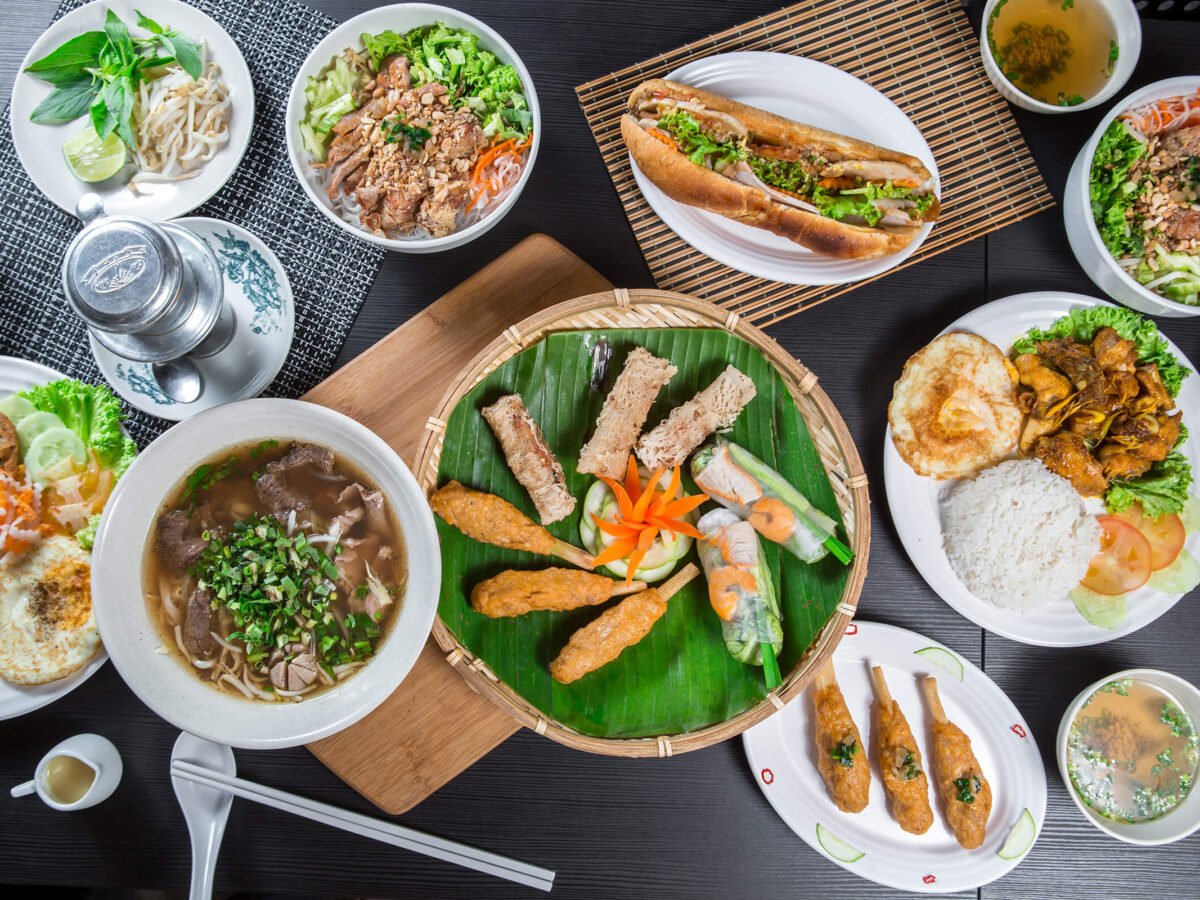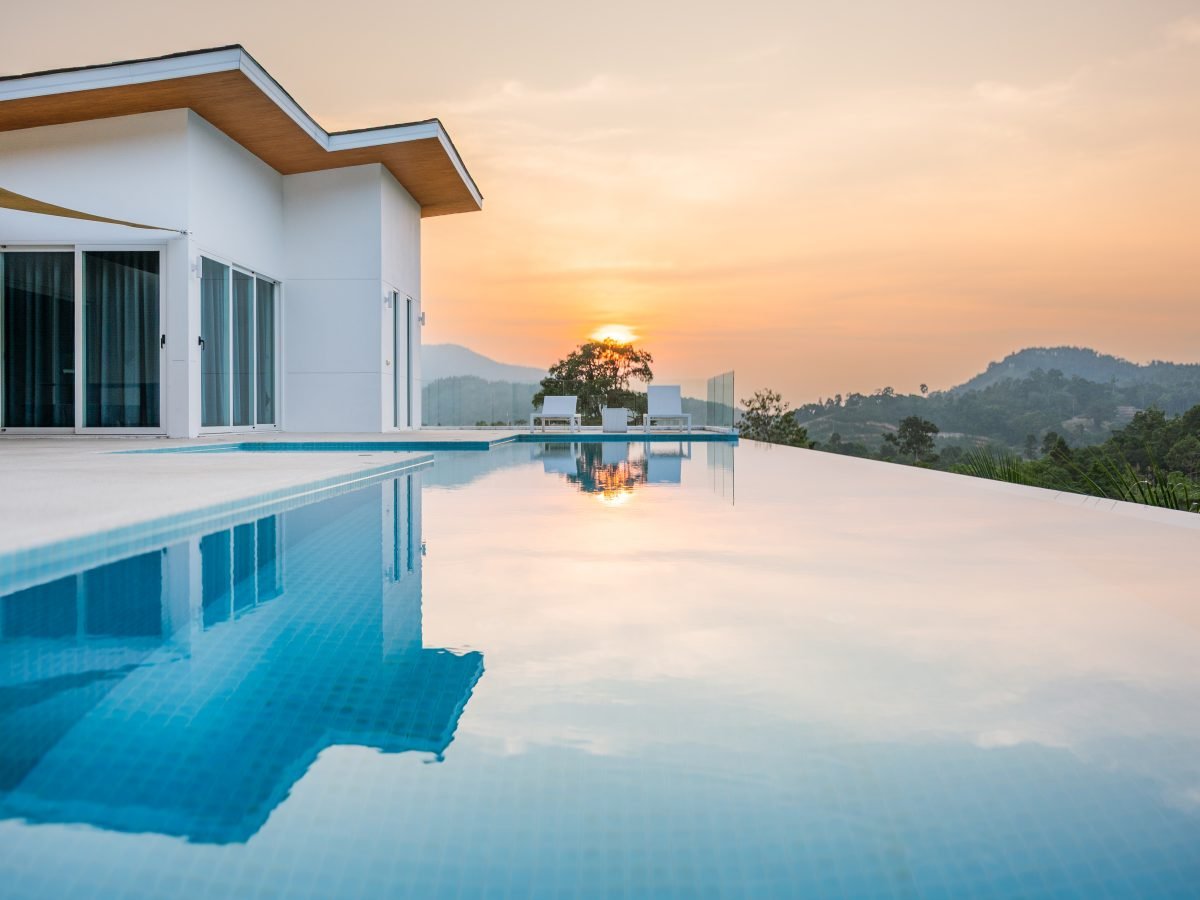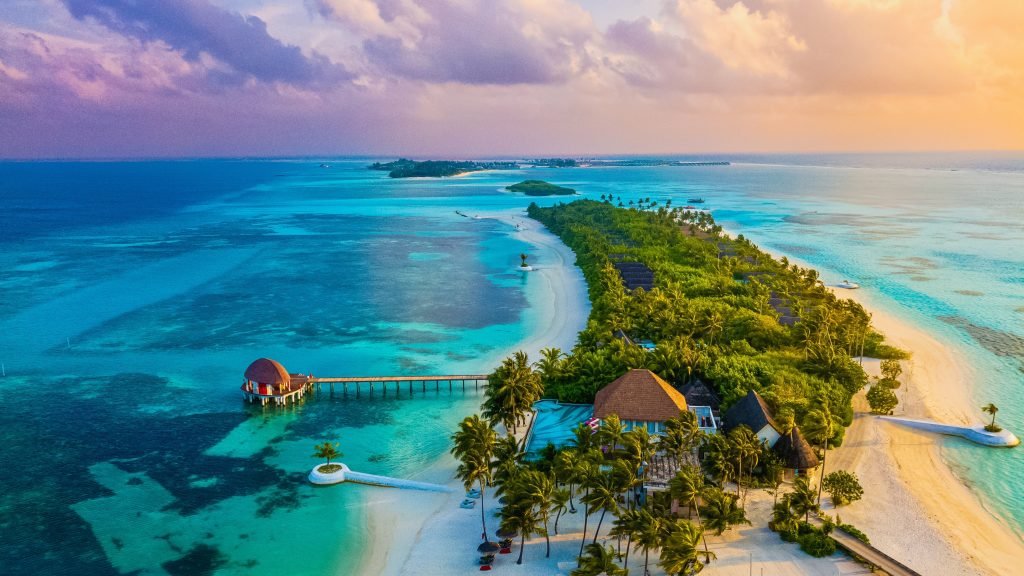
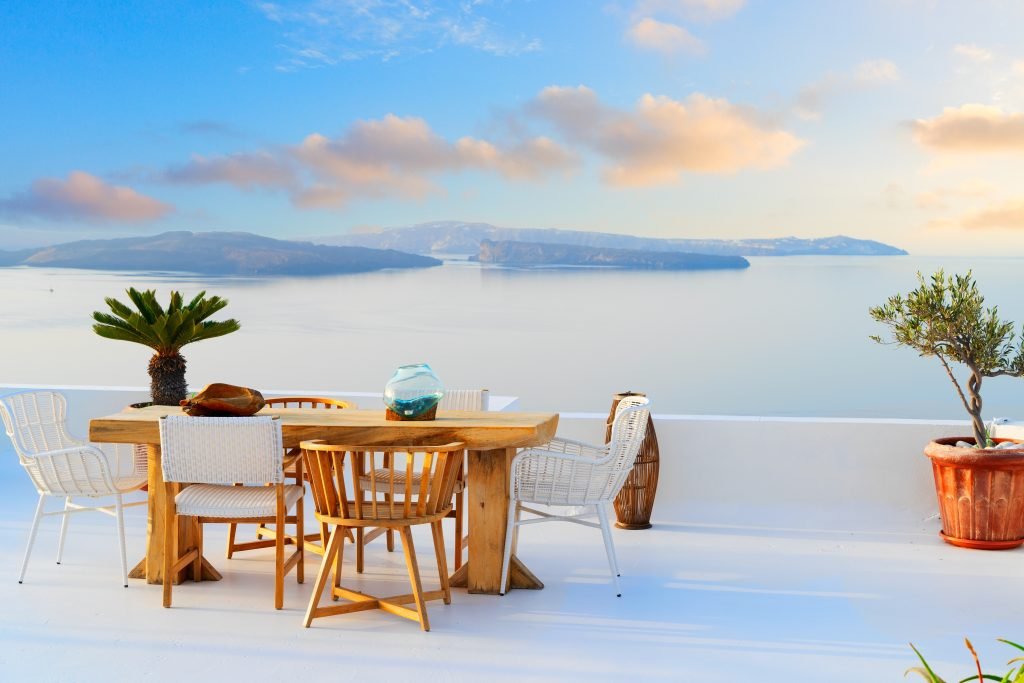
Renata was fifty-two the first time she took a trip alone. Not a work trip. Not a trip tacked onto someone else’s plans. A trip she chose, for herself, answerable to no one at the end of the day. She flew to Lisbon, booked a small hotel above the Alfama, and on the third night sat down at a restaurant table for one and ordered the tasting menu, all seven courses. Somewhere around the third course she noticed something: no one was looking at her. Not with pity, not with curiosity. She had built the moment up as an act of defiance. It turned out to be dinner.
That gap — between how enormous solo travel feels before you do it and how ordinary it feels once you’re in it — is most of the real story behind why women are traveling alone in 2026.
Solo female luxury travel in 2026 means women booking high-end trips — private villas, wellness retreats, small-ship cruises, women-only group tours — built around their own pace, their own budget, and nobody else’s itinerary. It’s not a niche anymore. It’s one of the fastest-growing categories in travel, and it’s being driven largely by women 45 and older who finally have the means, the time, and the will to go.
The shift: this isn’t rebellion, it’s redistribution
The old story about solo female travel was always framed as courage. A woman, alone, against the world, proving something. That framing made for a good headline and a worse explanation.
What’s actually happening in 2026 is less dramatic and more structural. Women are outliving spouses. Women are divorcing later and staying single longer by choice. Women are hitting a point in a career or a motherhood arc where the calendar finally clears, and instead of waiting for someone to travel with, they book the flight themselves. This isn’t women rejecting companionship. It’s women refusing to let the absence of a travel partner keep postponing a life they’ve already earned.
Ana Ferreira, who runs a small concierge desk out of Lisbon and books trips for a growing number of solo travelers each year, put it plainly when I asked her what changed. “Ten years ago, a woman traveling alone was an exception I had to plan around — safety, dinner reservations for one, that kind of thing. Now she’s my typical client. She’s not asking me to make her feel safe. She’s asking me to make the trip good.”
The numbers behind solo female luxury travel in 2026
The data backs up what advisors like Ferreira are seeing on the ground.
Women 45 and older planning solo trips this year are projected to spend an average of roughly $18,000 — a figure that has almost nothing to do with backpacking and everything to do with private guides, boutique properties, and itineraries built around a single guest rather than retrofitted for one.
The broader picture is even more telling. Depending on which survey you read, women now make up somewhere between 71% and 84% of solo travelers overall — a wide range, but every version of the number points the same direction. Solo travel, once assumed to be a male default with women as the exception, has quietly flipped. Solo trips taken by women have climbed about 11% year over year, and affluent travelers account for a disproportionate share of that growth, which is exactly why the category has gone from station wagons and hostels to private yachts, wellness retreats, and bespoke concierge-led itineraries in the span of a decade.
Ask women why they’re going, and the answer isn’t adventure for its own sake. The top motivation for leisure travel in 2026 is to rest and recharge, at 56%. Time in nature comes next, at 37%, followed closely by improved mental health, at 36%. Nobody is chasing a stamp in a passport. They’re chasing a nervous system that isn’t on fire.
Where women are actually going
The most-searched solo destinations in 2026 — Australia, Japan, New Zealand, and Costa Rica — share a quality that has nothing to do with romance and everything to do with logistics. Each rewards a solo traveler with cultural depth and natural beauty without punishing her for arriving without a companion. Trains run on time. Trails are marked. Dinner for one doesn’t require an explanation.
Portugal deserves its own mention. It consistently ranks highest among solo travelers for safety, walkability, and value — the unglamorous trifecta that actually determines whether a woman has a good week alone or a stressful one. Renata didn’t choose Lisbon by accident. Neither do most of Ferreira’s clients.
The honest read: solo, or just marketed that way
Here’s where I want to slow down, because the trend deserves a harder look than the celebration it’s been getting.
Women-only group travel has become genuinely popular, and for good reason — it offers the independence of solo travel with a built-in social layer and a safety net most women weren’t willing to travel entirely without. I understand the appeal from the inside; GLO Trips, our own retreat model, works on a similar premise — women arriving as individuals, not as plus-ones, choosing connection rather than defaulting into it. That model has real value. It also isn’t the same thing as solo travel, and the industry has gotten sloppy about calling it that.
A ten-person group tour with a shared itinerary, a fixed schedule, and a group chat is a wonderful trip. It is not solitude. Marketing it as “solo travel” borrows the emotional currency of a woman choosing to be alone with herself and attaches it to something that is, structurally, just travel with strangers instead of friends. Some operators are doing this well, with real space built into the days for a woman to actually be by herself. Others are selling the label without the substance, and charging a premium for it.
The deeper honest limit is this: solo travel is not automatically transformative, and treating it as a guaranteed cure — for burnout, for grief, for a stalled sense of self — sets women up to be disappointed by a place instead of doing the internal work a place can only support, not replace. I’ve watched women arrive somewhere beautiful expecting the destination to fix what only time, therapy, or an honest conversation was ever going to fix. It doesn’t work that way. A week alone in Kyoto will not repair a marriage or a career. It can, however, hand you back to yourself for long enough to notice what you actually want next. That’s a real gift. It’s a smaller one than the marketing suggests.
What this means for how you plan your next trip
If you’re considering a solo trip in the next year, the useful question isn’t “where should I go alone?” It’s “what do I actually want this trip to give me — rest, challenge, company, or true solitude?” Those are four different trips, and the current wave of solo-branded travel does not deliver all of them equally.
If it’s true solitude you want, look for properties and itineraries with unstructured time built in, not just a solo-friendly single supplement waived. If it’s rest, prioritize the destinations — Portugal, New Zealand, Costa Rica — where the infrastructure does the emotional labor for you, so you’re not spending your recharge trip navigating logistics. If it’s connection with a safety net, a women-only group is a legitimate, well-designed answer — just go in knowing that’s what you’re buying.
As someone who has eaten her way through five continents as a vegetarian and can count on one hand the trips where she’s truly been unreachable, Chhavi will say this: the best solo trips aren’t the ones where a woman proves something. They’re the ones where nobody needed her to.
Renata went back to Lisbon the following year. Same restaurant, same table for one, no defiance required this time. Just dinner. That’s the whole trend, really — not women becoming braver, but women finally letting a trip be ordinary, and good, and entirely their own.
FAQs
Why are more women traveling alone in 2026? Rest is the leading motivation, cited by 56% of travelers, followed by time in nature and mental health. Women — particularly those 45 and older — increasingly have the financial independence and cleared calendars to book trips built entirely around their own needs.
What percentage of solo travelers are women? Estimates vary by survey, ranging from about 71% to 84% of all solo travelers being women, reflecting a significant shift from solo travel’s historically male-skewed reputation.
How much do women spend on solo luxury travel? Women 45 and older planning solo trips in 2026 are projected to spend an average of roughly $18,000, often on private guides, boutique accommodations, and bespoke itineraries.
What are the best destinations for solo female travel in 2026? Australia, Japan, New Zealand, and Costa Rica are the most-searched destinations. Portugal ranks highest for safety, walkability, and value specifically for solo travelers.
Is women-only group travel the same as solo travel? Not exactly. Women-only group trips offer independence with built-in social connection and safety, but they involve shared itineraries and schedules — genuinely valuable, but structurally different from solitary travel.
Is solo travel actually life-changing, or is that overstated? It can be meaningful, but it isn’t automatic. Solo travel creates space for reflection; it doesn’t replace the internal work — therapy, honest reckoning, time — that real change usually requires.
Is solo luxury travel safe for women? Destinations that rank well for solo female travelers, like Portugal, New Zealand, and Japan, tend to combine strong infrastructure, walkability, and low crime, which meaningfully reduces the logistical and safety burden on a solo traveler.