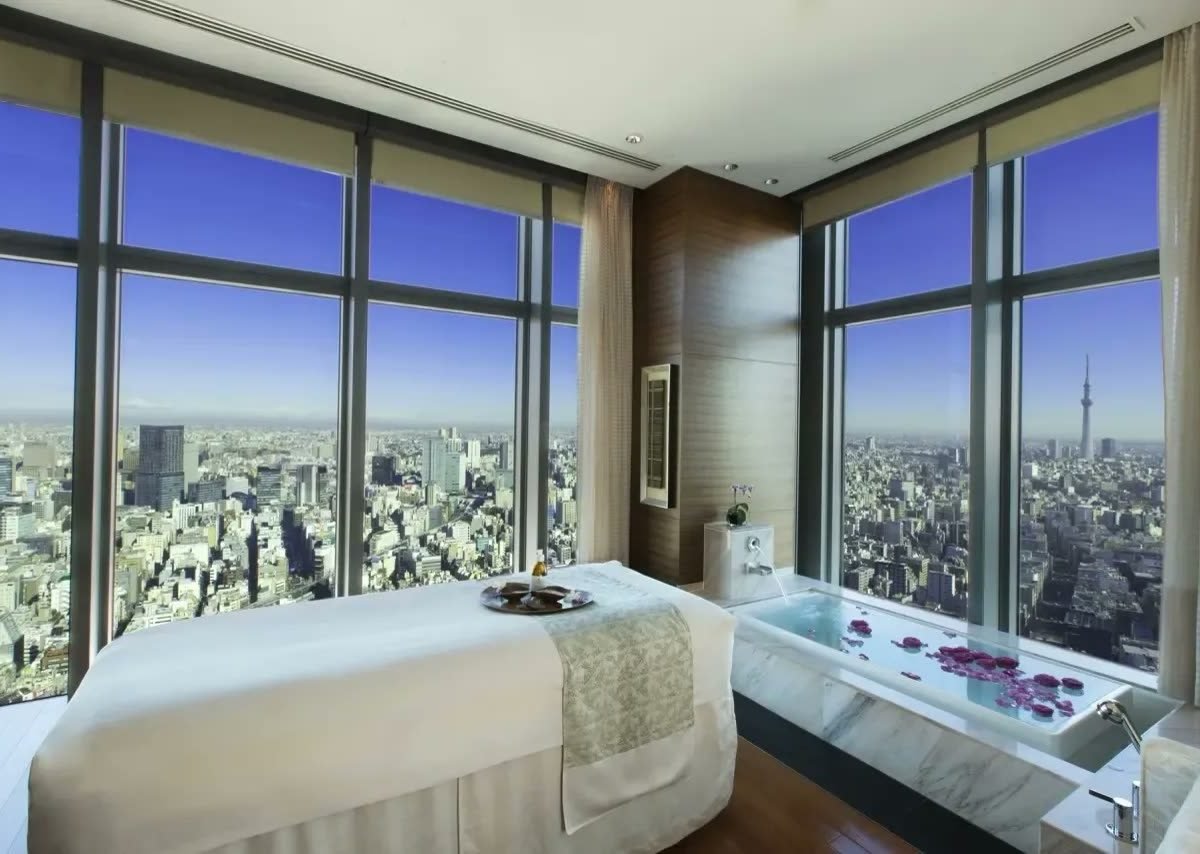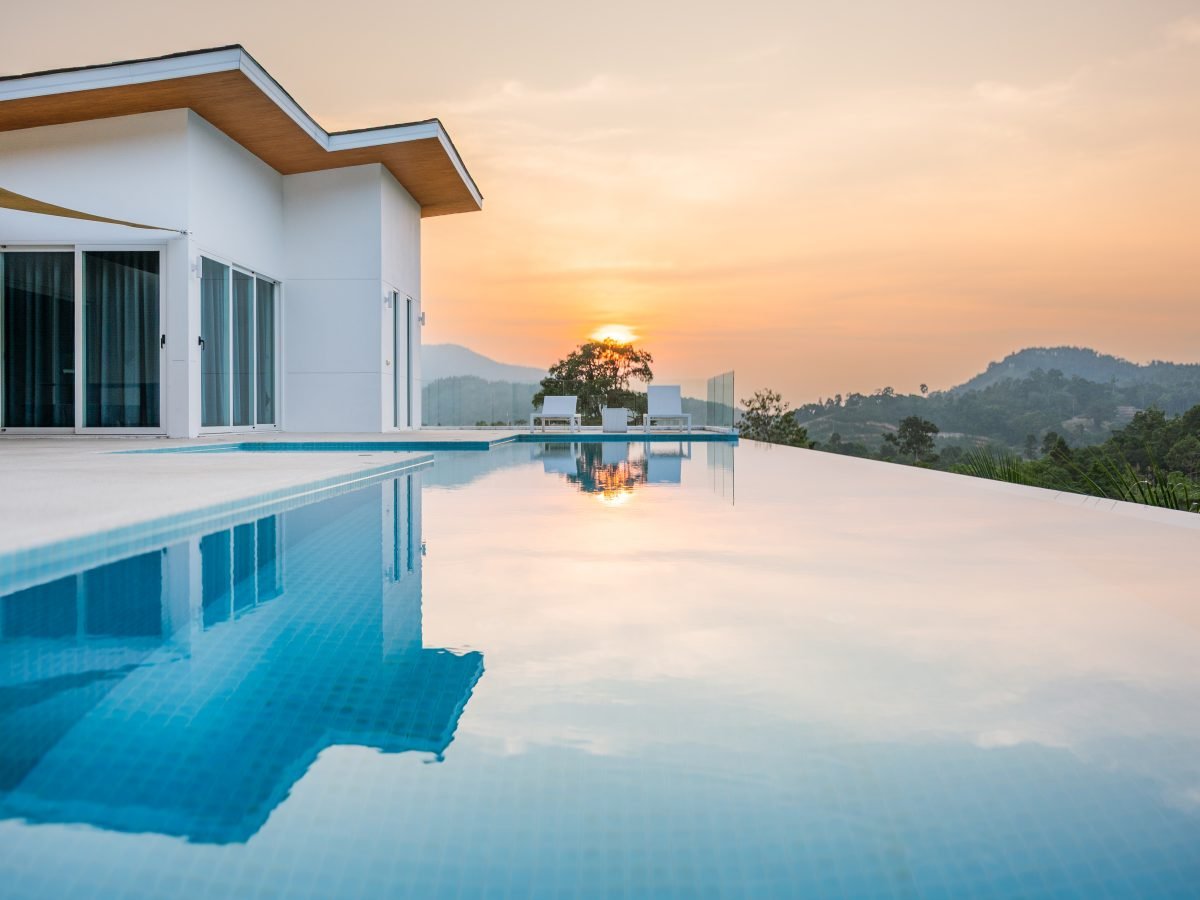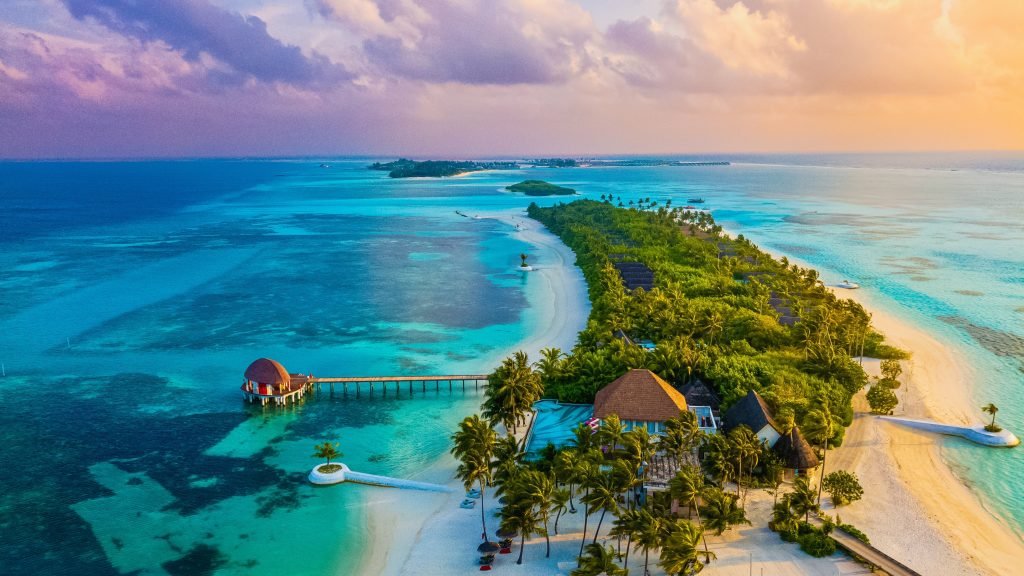
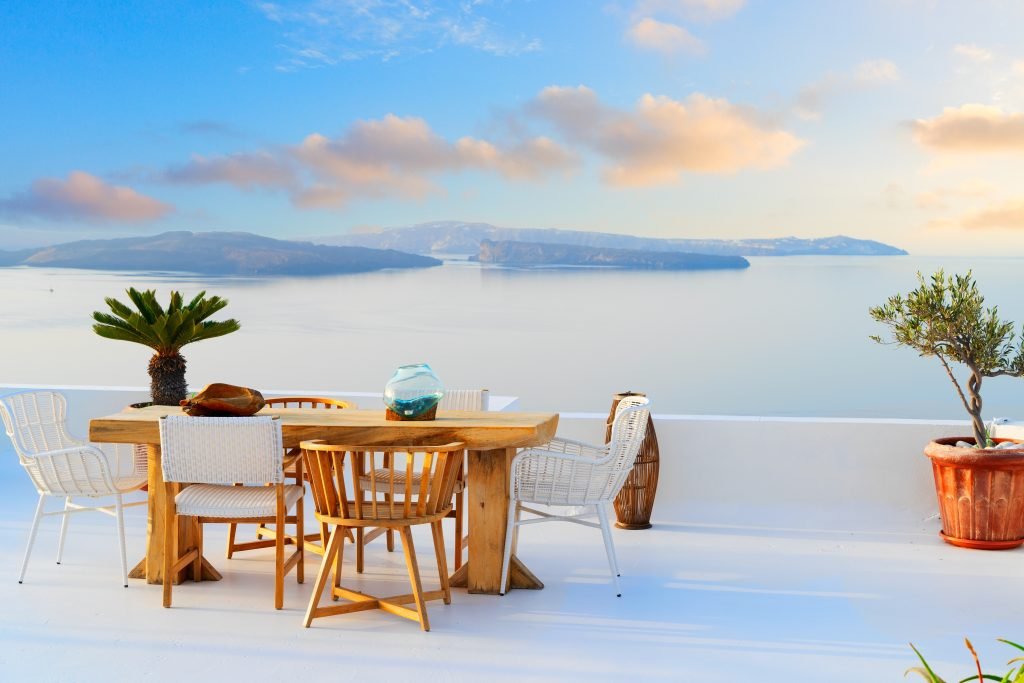
Ten years ago the phrase “adults only” belonged to budget package resorts and a certain kind of Caribbean cruise. In 2026 it is one of the fastest-growing labels in luxury travel, adopted by serious hotels and demanded, in survey after survey, by the guests who pay the highest rates. We have watched the category mature from gimmick to genre, and we have mixed feelings about it.
From gimmick to category
The economics are simple. A resort that removes children can strip out the kids’ club, the shallow pool and the 6pm buffet sitting, then sell silence at a margin. Booking data across the industry shows child-free properties commanding rate differences of 15 to 25 per cent over comparable family resorts, and new-build flagships in the Aegean, the Balearics and Mexico now launch adults-only as standard rather than as an experiment.
The category has history, of course. Caribbean couples resorts pioneered the model in the 1980s, but for decades it stayed synonymous with swim-up bars and honeymoon packages. What changed is who adopted it: design-led boutique groups, serious wellness brands and city-adjacent country houses, all discovering that the same policy could be sold at five-star rates if the aesthetics kept pace. The label crossed the class line, and the industry noticed.
What the policy actually buys
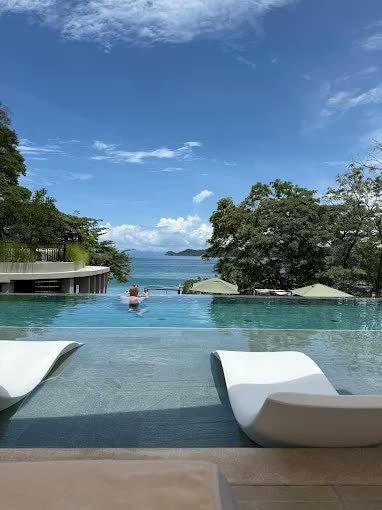
Having tested dozens of these properties, we can report that the difference is real but narrower than the marketing implies. What you are buying is predictability: no splashing at the quiet pool, no meltdown two tables away at dinner, no cannonball at 7am. What you are not buying is serenity itself. A stag party is louder than any toddler, and adults-only resorts attract them. The best operators police atmosphere, not age, with music curfews, capped group bookings and pool layouts that give quiet its own geography. Ask about those before you ask about the age limit; they are the better predictor of your week.
The counter-argument
There is also something thin about a luxury that depends on exclusion. The grandest hotels in the world have always absorbed children rather than banned them, deploying staff and architecture so that a family at one end of the property is invisible from the other. A resort that cannot manage that is admitting a design failure and charging you for the workaround.
The quiet middle ground
Which is why our favourite answer to the question is not a policy but a plan. Resorts built around privacy deliver adult calm without a velvet rope. At Amanpulo, a private island an hour from Manila, the villas are spread so generously that you could holiday for a week without learning whether anyone else has children at all. Voaara in Madagascar achieves the same with 14 keys and a barefoot ethos; scarcity does the quieting.
What to ask before you book
Three questions cut through the brochure. First, what is the minimum age, exactly? Sixteen produces a very different pool scene from twenty-one. Second, does the hotel take group bookings, and how large? The answer predicts your odds of sharing breakfast with a hen party. Third, where does music play after 10pm and how loud? Any reservations team that answers all three promptly is running the kind of house you want; any that cannot is selling you a label.
Where we land
If a child-free week is the holiday you need, book it without guilt; the category exists because the demand is honest. But read past the label. Ask how the hotel manages noise, spacing and its bar crowd, because those answers predict your week far better than a minimum age does. Peace is a service, not a demographic.