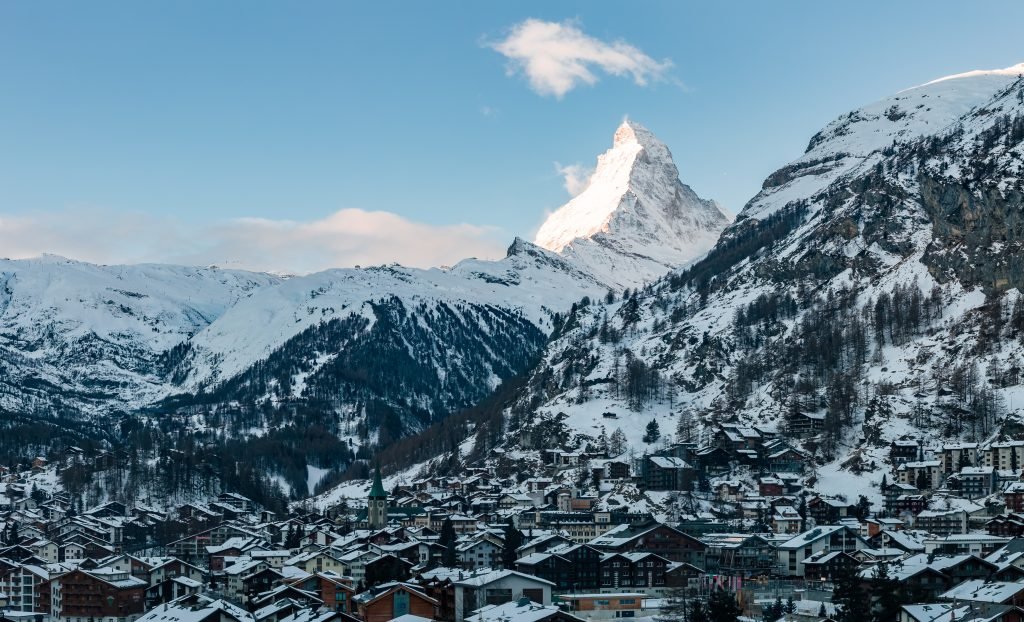
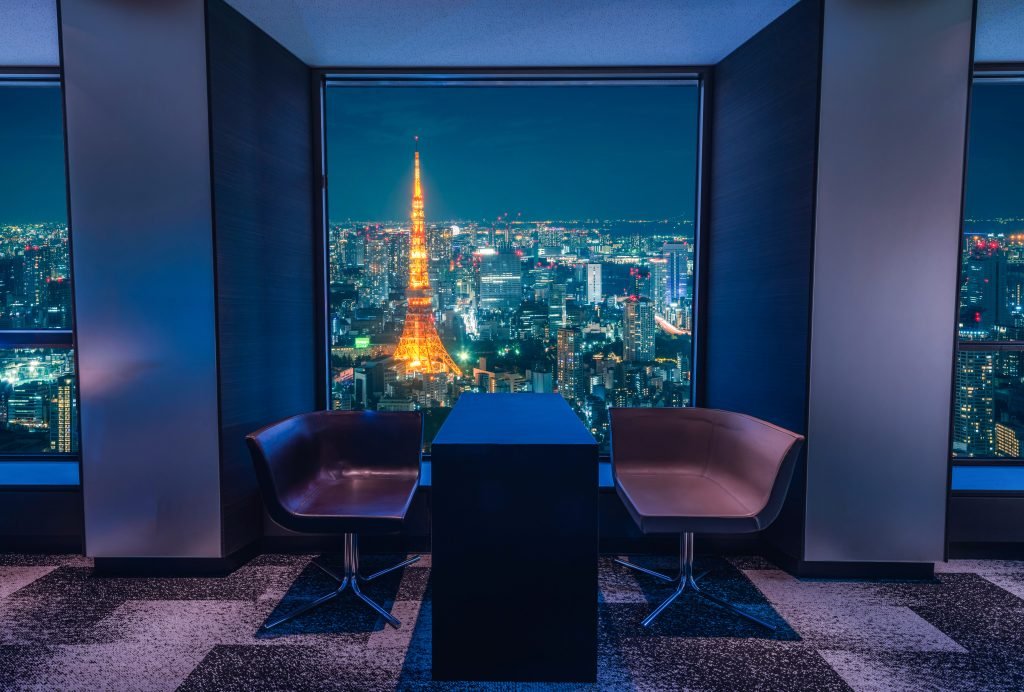
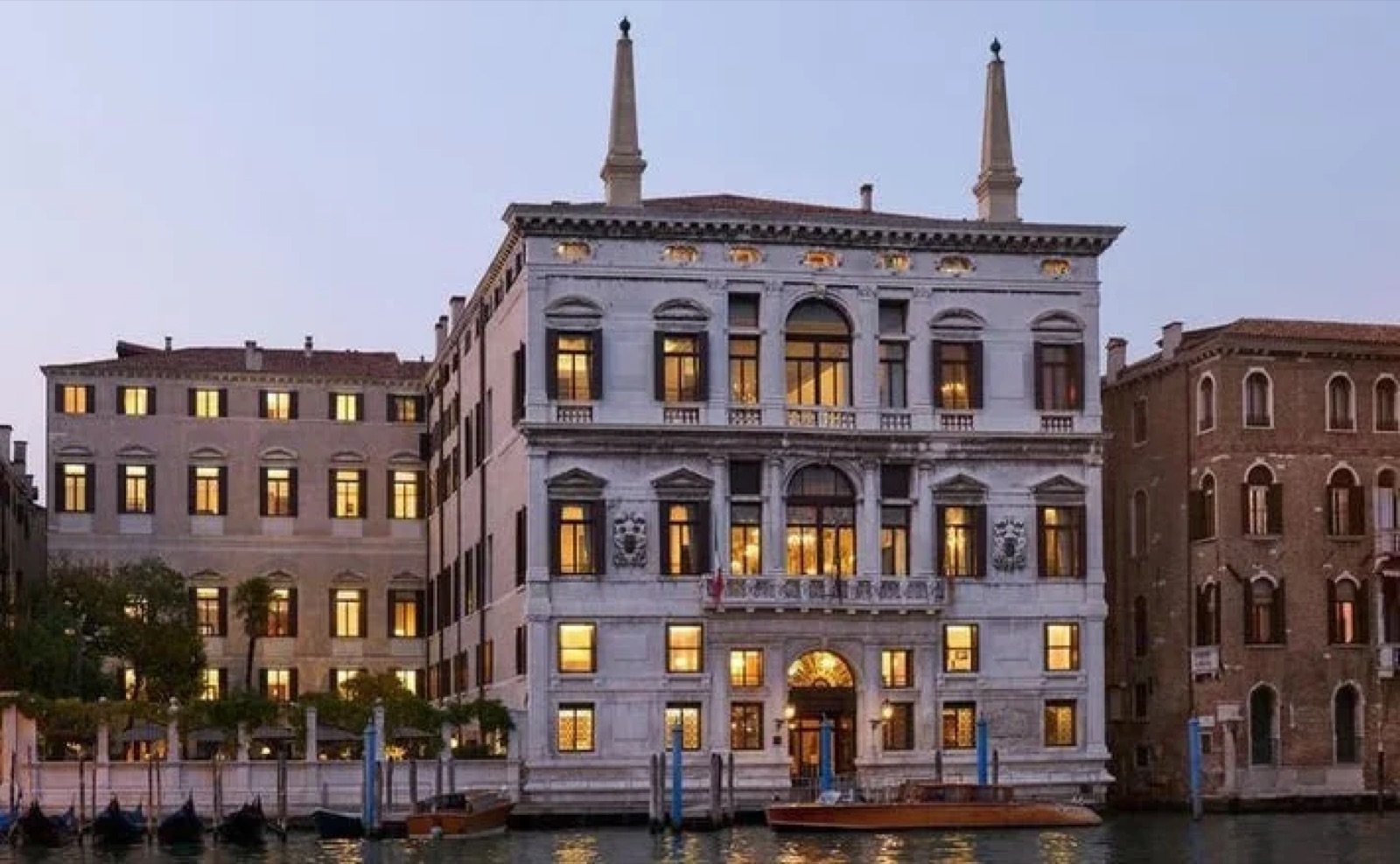
A travel advisor I trust told me last month that her most requested itinerary of the year wasn’t a resort. It was a route: Paris, then Provence, then Lake Como, three weeks, no single hotel booked for more than five nights. She said it like she was describing something new. It isn’t. It’s the Grand Tour, the eighteenth-century ritual where wealthy young Europeans spent a year or more moving slowly through the continent’s art, architecture, and society before settling into adult life. We just stopped calling it that for a while.
The Shift
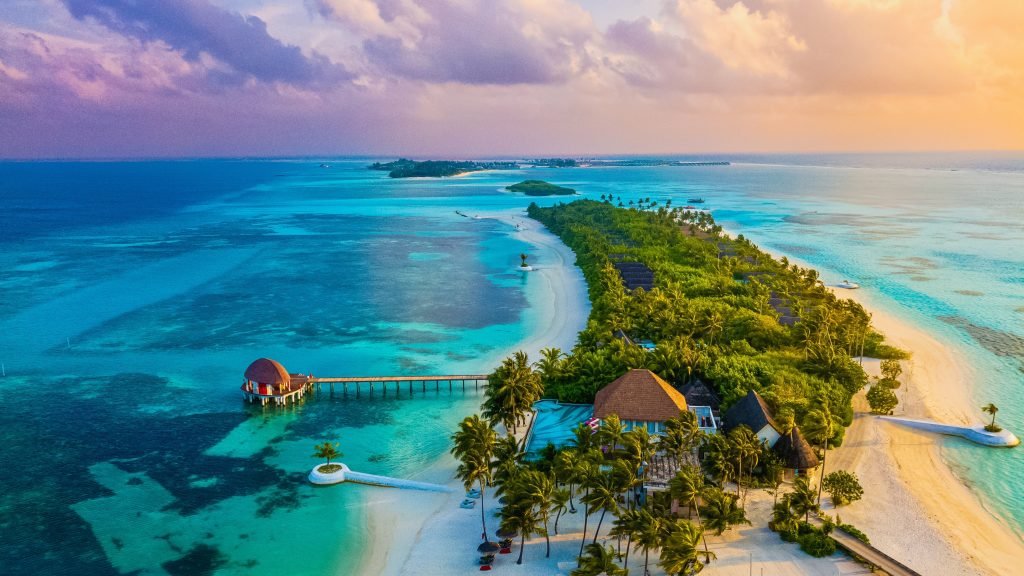
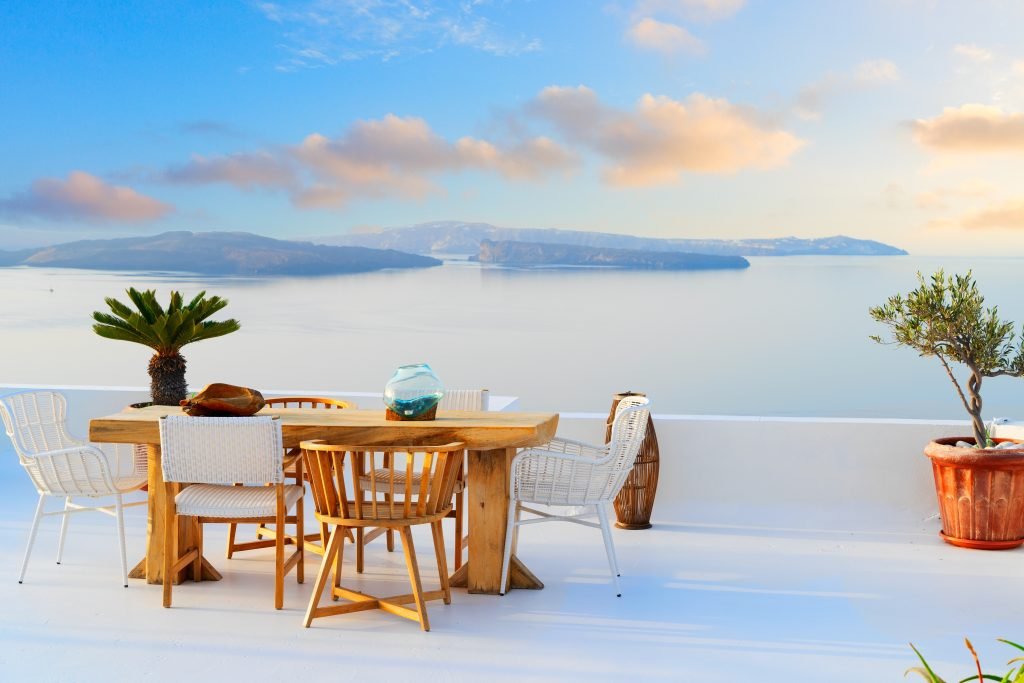
Luxury travel spent the last two decades optimizing for the opposite instinct: pick a destination, book a resort, stay put, let the property do the entertaining. It was efficient, and it built an entire five-star hotel industry around the premise that the trip and the hotel were the same thing. What’s changing in 2026 is the assumption underneath that model, that a single, excellent place is enough.
It isn’t, for a growing number of travelers, and the data backs up what my advisor friend is seeing on the ground. Over 35 percent of luxury leisure bookings worldwide now go to private accommodations rather than traditional hotels, and multigenerational, extended-stay itineraries are growing year over year, not as a niche preference but as a mainstream one among the clientele that used to be hotel loyalty programs’ most reliable customers.
Evidence and Examples
The itineraries themselves tell the story better than the statistics do. A Greek Isles sailing that ends in Istanbul, trading the boat’s quiet for the spice-scented density of the Grand Bazaar. Paris into Provence into Lake Como, three entirely different registers of European luxury, formal to rustic to lakeside, stitched into a single trip rather than three separate ones booked years apart. These aren’t itineraries built around ticking off individual destinations. They’re built around contrast, deliberately staged, one region’s rhythm setting up the next one’s payoff.
Here’s the meaning pivot worth sitting with. A single-resort trip is luxury as arrival: you land, the property absorbs you, the trip is essentially over the moment you check in. A grand tour is luxury as accumulation: the meaning isn’t in any one stop, it’s in the sequence, the way Provence’s slowness makes Como’s formality land differently than it would on its own. You cannot buy that at a single five-star property, no matter how good the property is. It has to be built.
What It Means
The gentle contrarian argument here, and I’ll make it plainly: the all-inclusive, single-destination resort trip, the format the luxury hotel industry spent thirty years perfecting, is quietly becoming the less ambitious choice, not the more indulgent one. That’s a real inversion. For a long time, staying in one place and letting a great hotel handle everything was the mark of having arrived, financially and otherwise. Increasingly, the travelers with the most resources and the least need to prove anything are the ones building the complicated, multi-region itinerary instead, the one that requires more planning, more logistics, more trust in a good advisor.
Space is the word doing the real work in this shift, not the destinations themselves. A grand tour gives a trip room to breathe between its high points, Provence as a deliberate lull before Como’s intensity, the sailing’s quiet before Istanbul’s noise. A single-resort trip, however excellent, doesn’t have anywhere to put that contrast. It’s one note, held for two weeks.
None of this makes the single-destination resort trip wrong. There’s a real, unglamorous case for it: less logistics, less packing and unpacking, more actual rest for travelers whose lives are already full of movement. But the return of the grand tour says something honest about what a meaningful subset of luxury travelers have decided they actually want from a trip in 2026: not one perfect place, but a sequence of them, built with the same intention a great tasting menu applies to its courses. Nobody remembers a nine-course dinner for its best single bite. They remember the arc.
FAQ
What is a grand tour in modern luxury travel? A multi-region itinerary, typically two to four destinations over two to four weeks, deliberately sequenced for contrast rather than built around a single resort stay.
Why are luxury travelers choosing grand tours over single-destination trips? Growing preference for depth, contrast, and slower, more intentional travel over convenience-focused single-resort stays; data shows over 35 percent of luxury leisure bookings now go to private accommodations that support this multi-stop format.
How long should a modern grand tour itinerary be? Most current examples run two to four weeks, with three to five nights per stop, long enough to settle into each destination without rushing.
Is a grand tour more expensive than a single-resort luxury trip? Not necessarily; costs vary by destination and accommodation type, though the added logistics, transfers, private guides, multiple properties, typically require a higher planning budget and a skilled travel advisor.
What destinations pair well for a grand tour itinerary? Common current combinations include Paris, Provence, and Lake Como, or a Greek Isles sailing paired with Istanbul, chosen for contrast in pace and character rather than geographic proximity alone.
Do you need a travel advisor to plan a grand tour? It’s strongly recommended; the logistics of multi-property, multi-region itineraries benefit significantly from an advisor’s relationships and route-planning experience.
Internal links: pair with our Luxury Travel Guide to Lake Como and What Luxury Travel Means in 2026 for the ideas and destinations behind this trend.