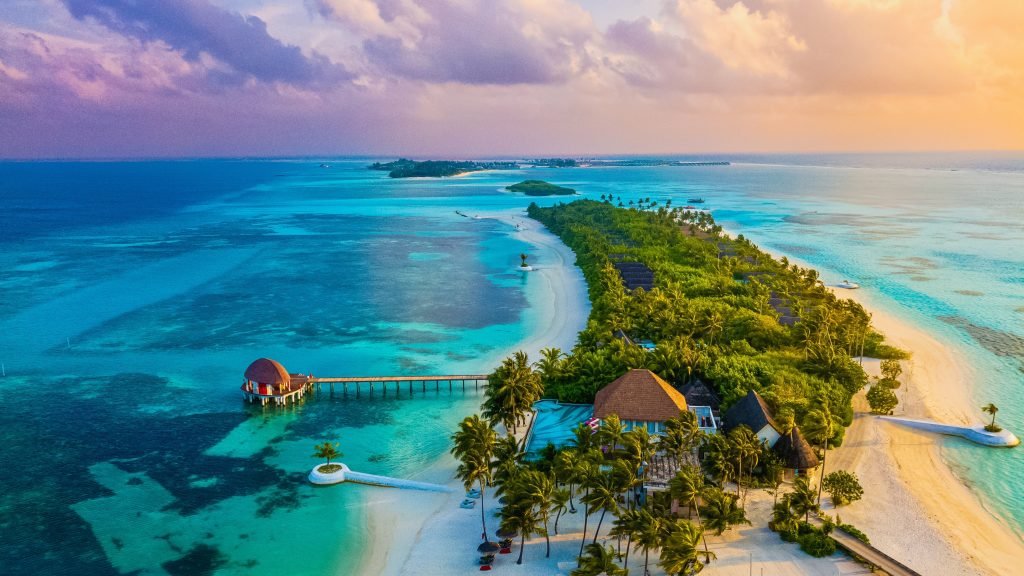
My friend came back from four days in the Maldives and couldn’t tell me what she’d done there. Not because she was being cagey. Because she genuinely hadn’t done much of anything. No excursions. No sunset catamaran with a hashtag waiting on the other side. She read two books, slept nine hours a night for the first time in a decade, and cried once at breakfast for no reason she could name. She told me this almost apologetically, like she owed me a better story. I told her it was the best trip report I’d heard all year.
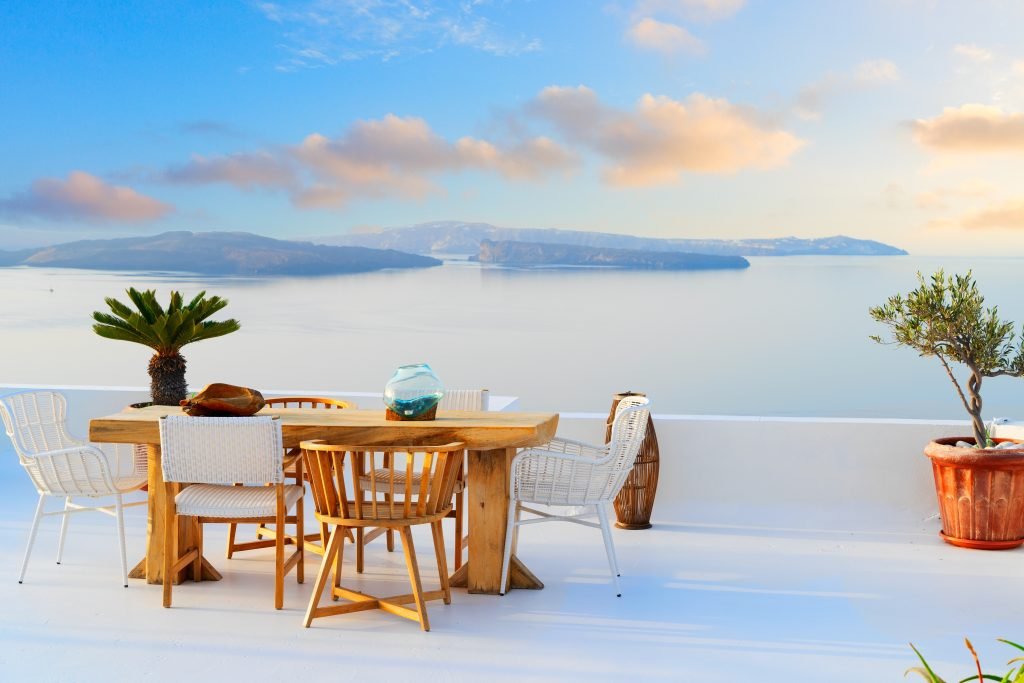
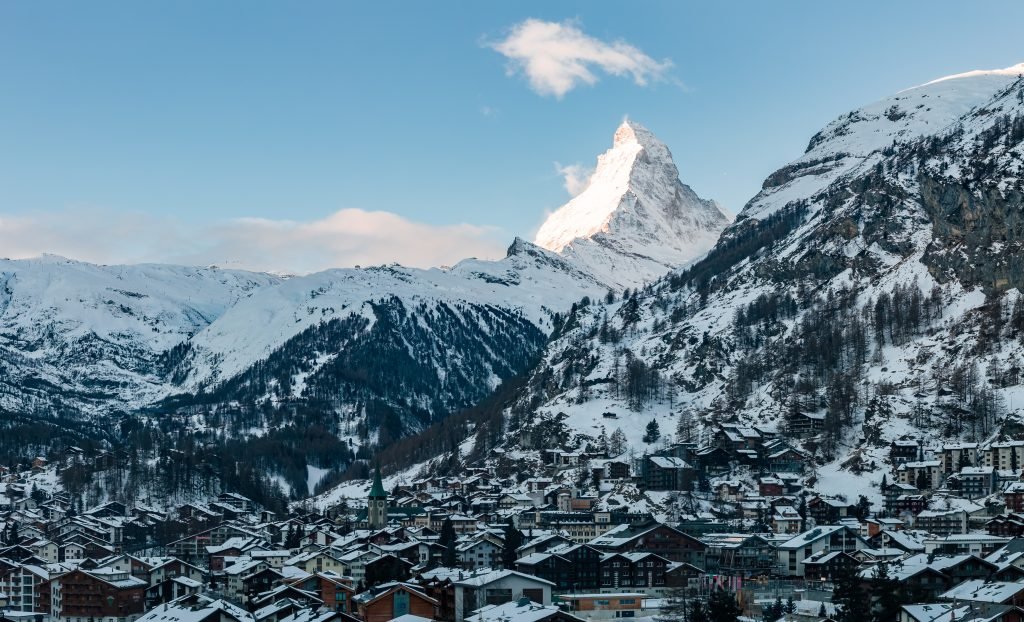
Hushpitality, the term Hilton put a name to in its 2026 trends research, describes hotels built around restraint instead of spectacle: capped guest counts, soundproofed rooms, phone-free zones, and programming designed for rest rather than activity. It’s the quiet luxury travel trend, operationalized, and it’s not a marketing footnote anymore. It’s the whole thesis.
The Quiet Luxury Travel Trend 2026 Didn’t Come From Nowhere
Hilton’s 2026 trends research found that 63 percent of travelers now name downtime, not discovery, as their primary reason for booking a trip. Rest and recharge topped the list of motivations at 56 percent, ahead of adventure, ahead of cuisine, ahead of the landmarks that used to justify the plane ticket. Sixty-four percent said the best part of a work trip was simply catching up on sleep in a bed that wasn’t theirs. Forty-eight percent are now tacking solo days onto family trips. Twenty-eight percent are carving out quiet moments even while traveling in a group, stealing an hour of stillness from the middle of somebody else’s itinerary.
That last stat is the one that stays with me. People aren’t just choosing quiet vacations. They’re smuggling quiet into vacations that weren’t built for it.
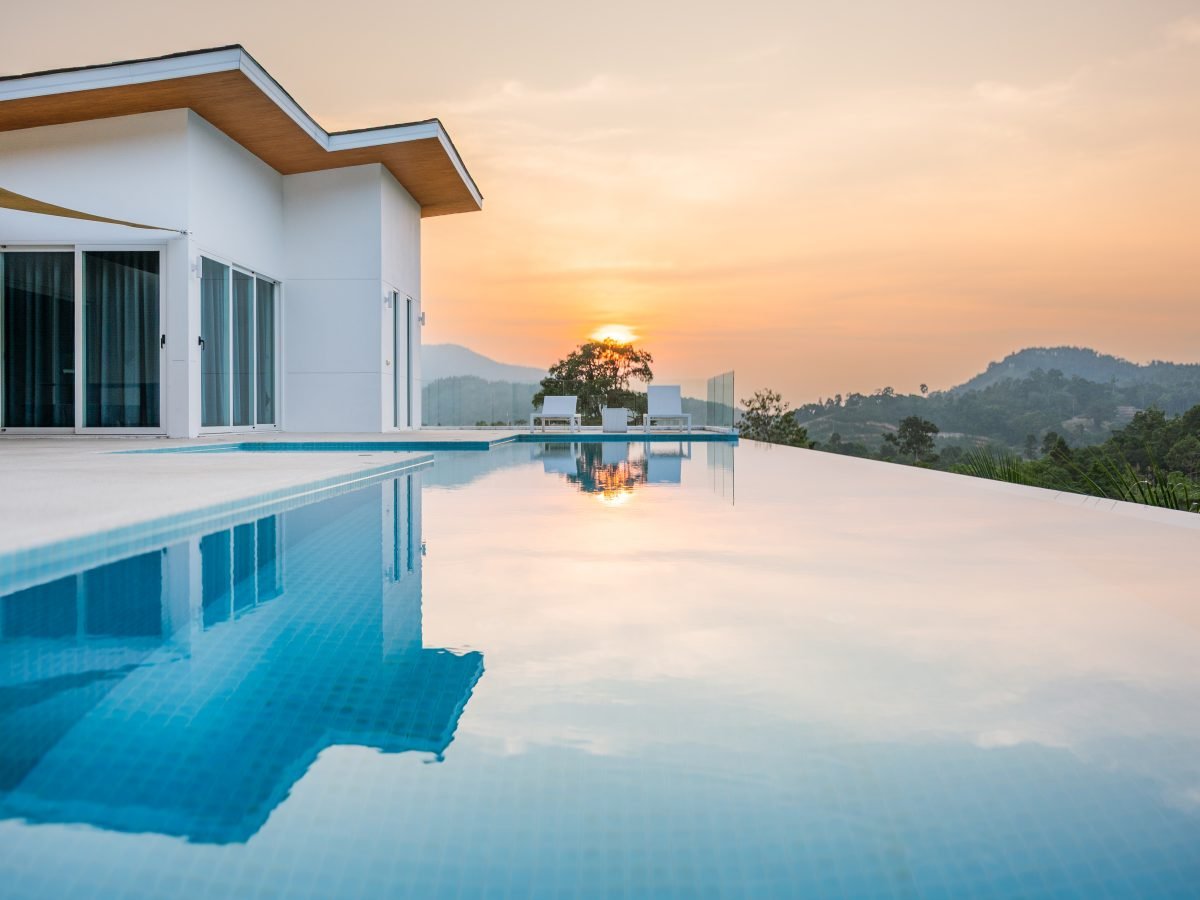
Here’s the meaning pivot, and it’s a real one: for most of the last decade, an empty resort meant a failing one. Quiet was the tell that something was wrong, that a property couldn’t fill its rooms or its schedule. In 2026, quiet is the product. Accor has built an entire aesthetic language around it at MGallery. Independent hideaways from Passalacqua on Lake Como to the desert stillness of Amangiri have spent years proving that restraint, done at a five-star level, reads as more expensive than abundance, not less. A silent hotel used to mean nobody wanted to be there. Now it means everybody who’s already been everywhere finally does.
Why Now, Specifically
I don’t think this is complicated, and I’m not going to pretend it is to sound more insightful. Overstimulated people paid a premium for stimulation for fifteen years. Rooftop pools with DJs. Immersive dinners with theatrical courses. Hotels competing to be the most photographed lobby on a feed that was already too full. It worked, until it didn’t, because it turns out constant stimulation is exhausting in the exact same way constant work is exhausting. You can be tired from doing nothing wrong. You can be tired from doing everything right, on schedule, for an audience.
Hushpitality is what happens when the people who could afford anything finally admit the thing they wanted wasn’t more. It was less. Less noise. Less choreography. Less pressure to have a version of the trip ready to post before the trip is even over.
I’ve watched this shift happen in real time over a decade of travel for work, and the tell isn’t the design. It’s the staff. A concierge I’ve come to know in Positano, the kind of person who’s worked the same coastline long enough to watch the crowds triple and the day boats multiply, told me once that the guests who used to ask her for the best table now ask her for the quietest one. Not the best view. The one furthest from other people. That’s not a design trend. That’s a request for relief.
What Hotels Are Subtracting, Not Adding
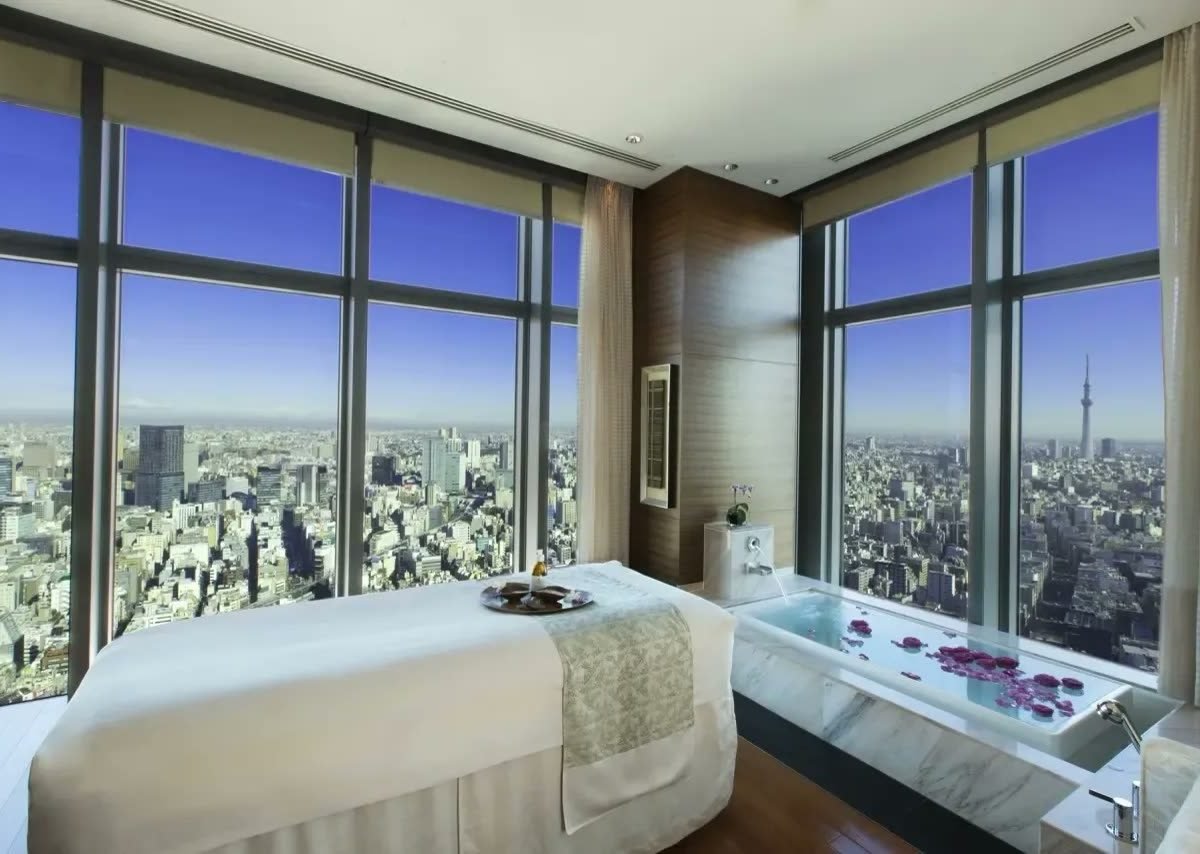
The expectation, historically, has been that luxury means more: more amenities, more staff, more square footage, more things to do. Hushpitality flips that. The fastest-growing segment of luxury travelers is now paying a premium for less noise, less stimulation, less congestion. The engineering behind it is unglamorous and precise. Key counts stay low enough that a hotel never tips into an event. Arrivals are staggered so guests aren’t funneled through the same public corridor at the same hour, elbow to elbow with strangers before they’ve even set down their bags. Soundproofing gets treated as a luxury material, on par with marble or linen thread count, because acoustic privacy is now something guests will pay to feel rather than simply assume.
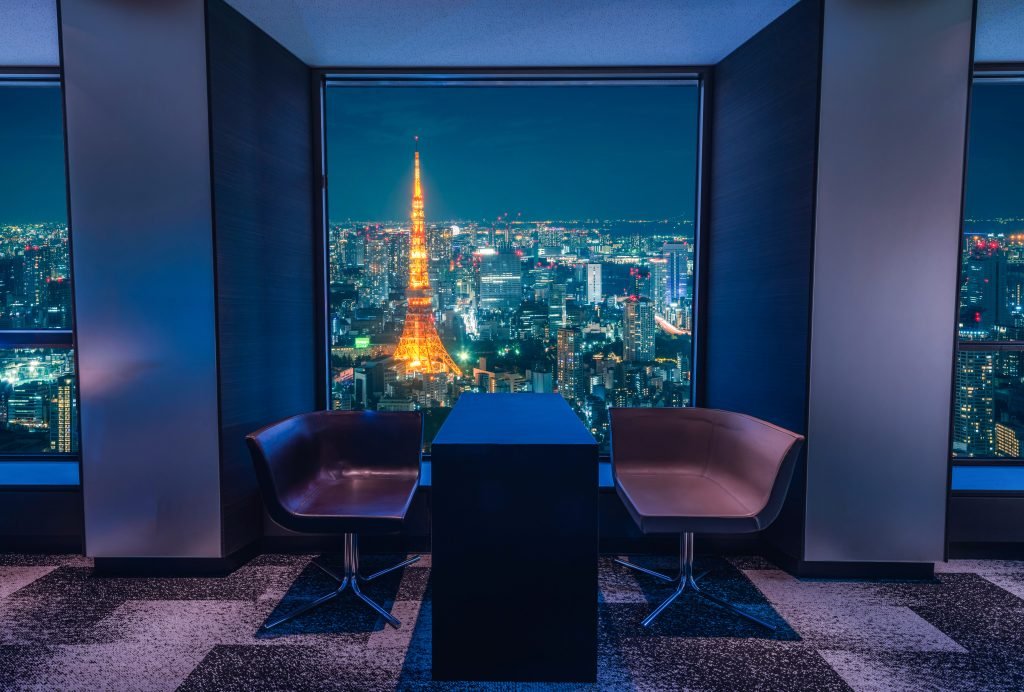
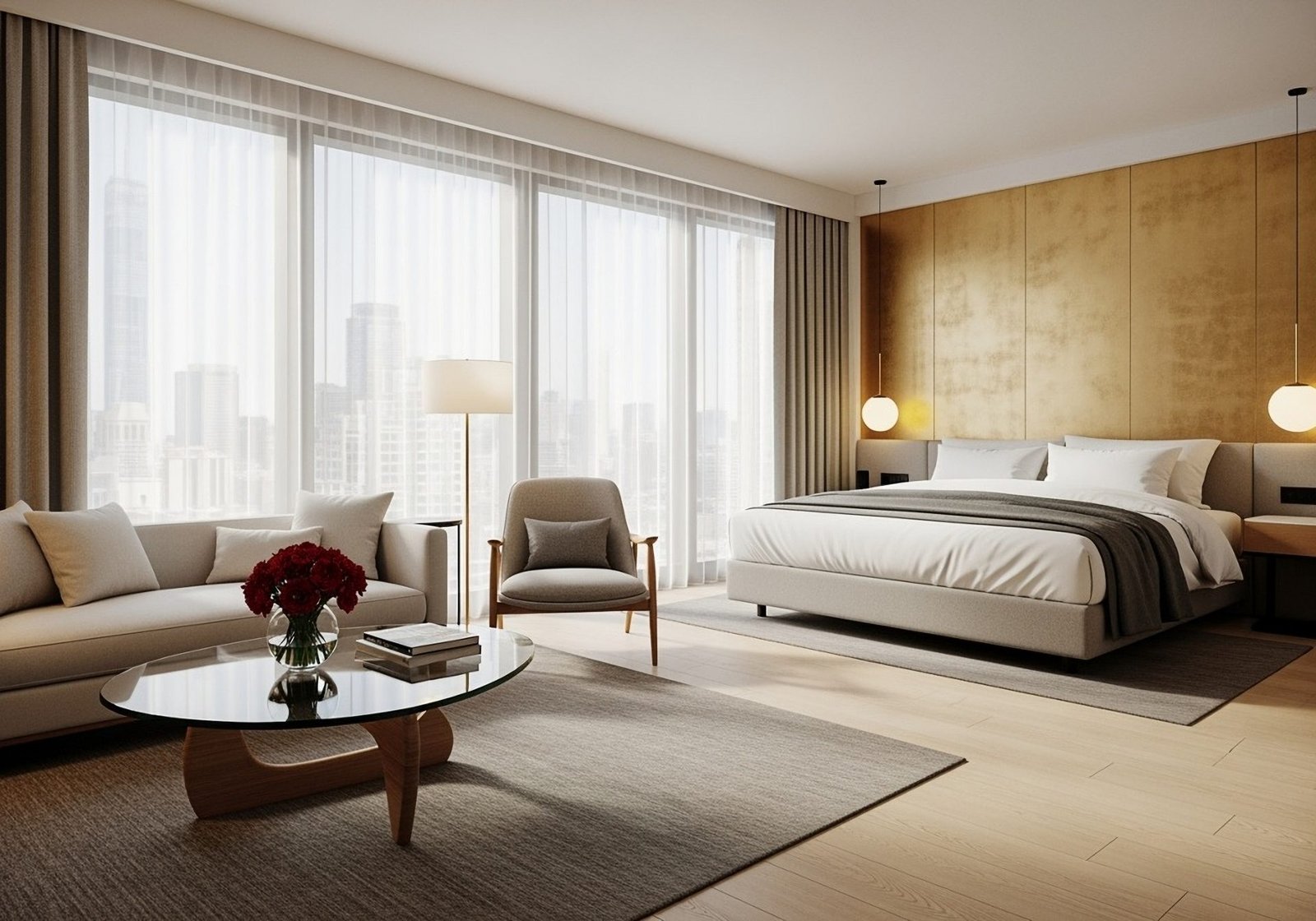
The design vocabulary follows the same logic: circadian lighting that shifts with the guest’s own clock instead of the property’s aesthetic, scent-forward interiors instead of visual ones, digital-minimalist rooms where the television is optional or simply gone. None of this photographs particularly well. That’s the point. A trend built for the feed would never ask you to put the phone away. This one does, repeatedly, on purpose.
Stillness, not spectacle. That’s the whole shift in three words.
The Uncomfortable Part
Here’s what nobody selling you a quiet luxury vacation wants to say out loud: silence is expensive to build and expensive to protect. A hotel with a capped key count is selling fewer rooms, which means the rooms it does sell have to cost more. Soundproofing, staggered arrivals, single-guest programming, these are not cheap subtractions. They’re additions dressed as absence. So the honest version of this trend is that quiet has become a class marker in its own right, available first and most completely to the travelers who could already afford abundance and have simply moved on from wanting it.
There’s a second honest limit worth naming. Hushpitality doesn’t serve everyone, and it isn’t supposed to. It doesn’t serve the family traveling with a six-year-old who needs a kids’ club and a schedule, not a phone-free reading nook. It doesn’t serve the first-time traveler who saved for years for one big, loud, photographed trip and deserves to have it. And it doesn’t fully serve the person who books the quiet retreat but can’t actually tolerate the quiet once they’re in it, who reaches for the phone by hour two because stillness, it turns out, takes practice most of us haven’t had in a long time.
That’s the real ask of this trend, and I think it’s worth saying plainly instead of romanticizing it: you have to be willing to be bored. Willing to be unphotographed. Willing to sit with whatever surfaces when nothing is scheduled to distract you from it. My friend cried at breakfast for no reason she could name, and the hotel didn’t fix that. It just stopped being loud enough to drown it out. That’s not always comfortable. It’s not supposed to be. It’s just, finally, quiet enough to hear.
Related reading on LHR: “Four Seasons San Domenico Palace, Taormina: The Full Review” for a look at restraint done at scale on the Sicilian coast, and “Istria, Croatia: The Luxury Travel Guide” for a region built almost entirely around this same low-noise philosophy.
Frequently Asked Questions
What is hushpitality? Hushpitality is a hospitality design and programming philosophy, coined in Hilton’s 2026 trends research, built around rest and restraint instead of stimulation, using tools like capped guest counts, soundproofing, and phone-free zones.
What is the quiet luxury travel trend? It’s a 2026 shift in luxury travel where privacy, silence, and low-stimulation environments replace packed itineraries and visible spectacle as the primary marker of a premium stay.
Why do luxury travelers want silence in 2026? Research shows 63 percent of travelers now cite downtime, not discovery, as their main reason to travel. Years of overstimulating, performative luxury left travelers exhausted, and quiet has become the corrective.
Is quiet luxury the same as wellness travel? They overlap but aren’t identical. Wellness travel centers on spa and health programming. Quiet luxury travel is broader, encompassing acoustic design, low guest density, and digital minimalism across the entire stay.
What hotels are leading the hushpitality trend? Properties like Passalacqua on Lake Como, Amangiri, and Accor’s MGallery portfolio have built their identity around restraint, soundproofing, and low-key-count intimacy rather than scale or spectacle.
Is quiet luxury more expensive than traditional luxury travel? Often, yes. Capped occupancy and acoustic engineering reduce how many rooms a hotel can sell, which typically raises the nightly rate rather than lowering it.
Does the quiet luxury travel trend work for families? Not always. Hushpitality is generally built for solo travelers, couples, or small adult groups seeking rest. Families with young children often need structured activity that this model deliberately avoids.