Devika came back from three weeks away and posted nothing. Not a boomerang, not a Story, not even the obligatory airport-lounge selfie she used to fire off out of habit. I only found out where she’d been because she told me over dinner, unprompted, the way you’d mention a good book. No location tag. No hotel handle. When I asked why, she shrugged: “If you saw it, it wouldn’t be mine anymore.”
That shrug is the whole trend.
Privacy has become the status symbol luxury travel didn’t see coming. Un-Instagrammable travel, as it’s being called, is the deliberate choice to keep a trip undocumented — no geotags, no tagged hotels, no drip-feed of Stories building anticipation for the big reveal. It’s a quiet, specific rebellion inside an industry built almost entirely on being seen.
The shift: from broadcasting to disappearing
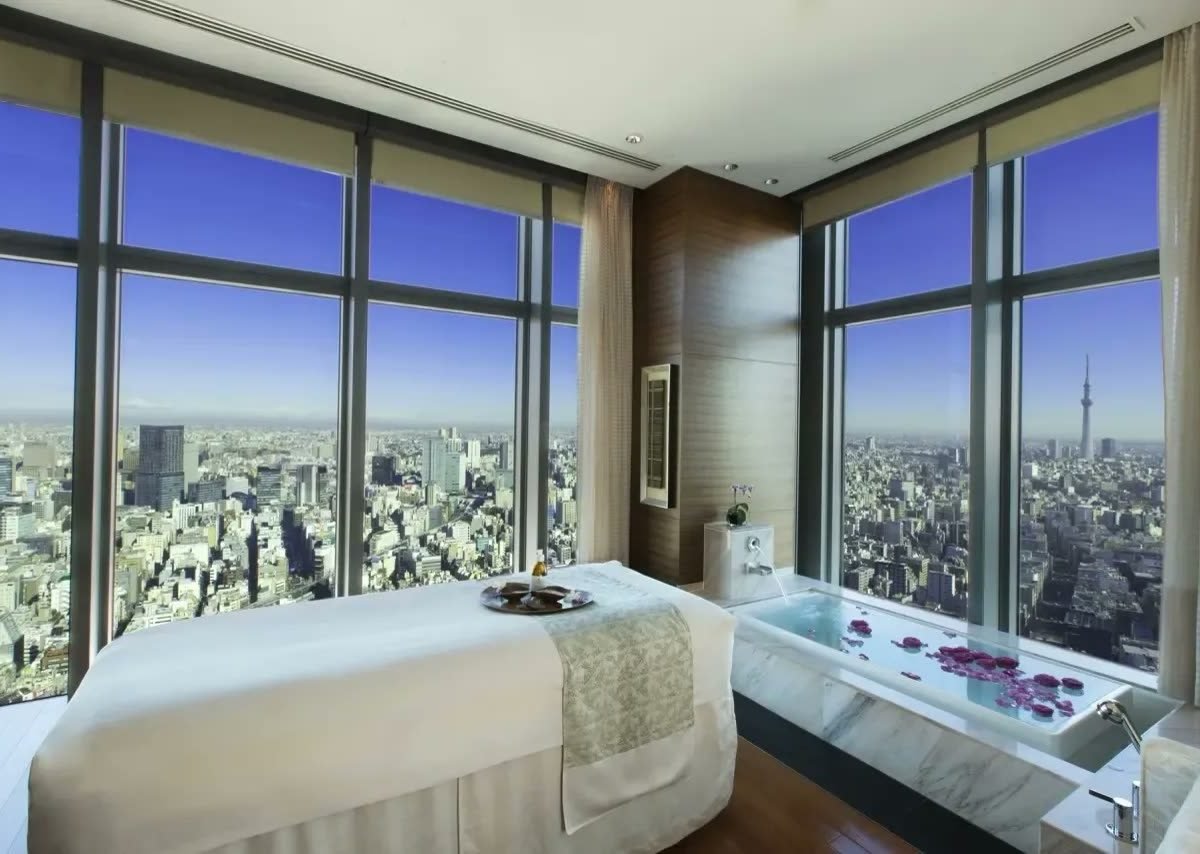
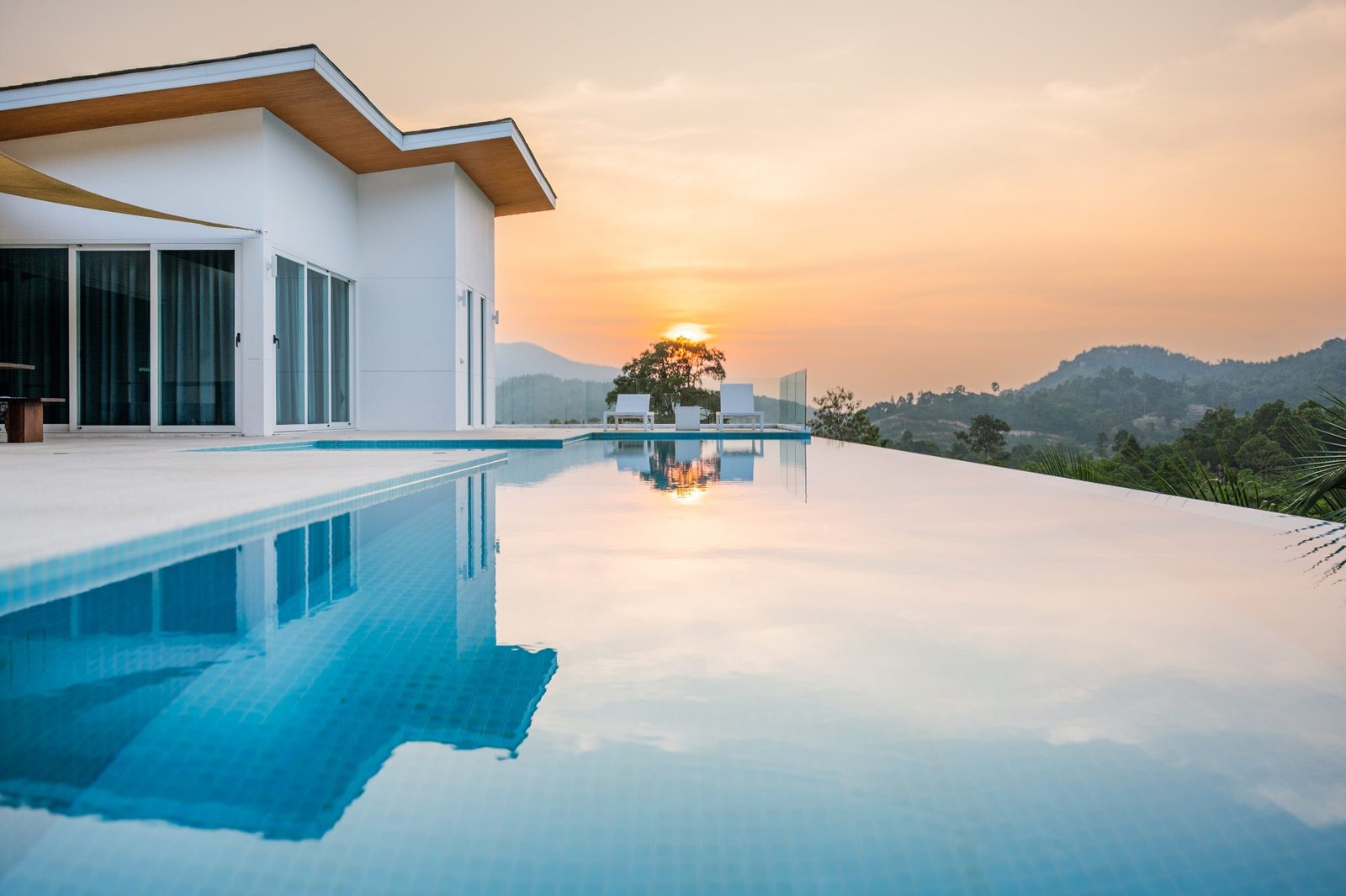
For fifteen years, the luxury travel flex was legible from a distance. The infinity pool shot. The private-jet wing photo. The geotag that did the bragging so you didn’t have to say it out loud. Visibility was the currency, and the currency inflated fast — once everyone had the infinity pool shot, the infinity pool shot stopped meaning anything.
So the currency changed. Now the flex is that you can’t find her at all.
This is a genuinely contrarian move for a category that runs on documentation — including, I’ll admit, publications like this one. LHR exists to describe rooms, name hotels, tell you exactly where to go. That’s precisely why this trend is worth naming honestly: the travelers we’d most want to feature are increasingly the ones least interested in being featured.
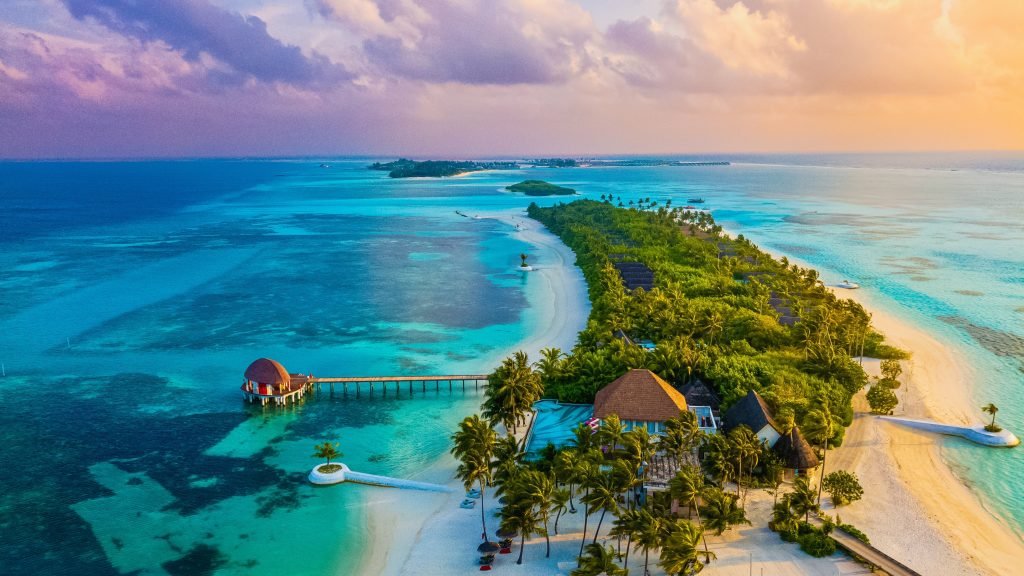
The shift shows up in small, specific choices. Travelers turning off geotagging before they even land, not after. Resorts fielding requests for rooms explicitly out of drone sightlines. A rise in properties — private islands, remote estates, single-villa resorts with no public room inventory to browse — that were never designed to be discoverable in the first place. The traveler isn’t hiding because something is wrong. She’s hiding because hiding is, itself, the point.
Here’s the meaning pivot: posting nothing looks, on the surface, like abstaining. It isn’t. It’s a redefinition of what a flex even is. The old flex said, look where I am. The new one says, you will never know where I’ve been. One requires an audience. The other requires only your own certainty that the trip was extraordinary — which is a much harder thing to fake.
Evidence: what discretion actually looks like
I’ve watched this shift happen in real properties, not just in theory. Hotels that once pitched their most photogenic suite as the hero image now lead with something closer to reassurance: no professional photography without consent, restricted access to certain wings, staff briefed on confidentiality the way private bankers are. National Geographic has written about the security risks of geotagging in real time — burglary, stalking, the unsettling reality that a location tag can broadcast an empty house back home. Luxury travelers with the most to lose have simply gotten there first, and the rest of the market is catching up to their instincts.
The properties built for this moment tend not to be five-star hotels with five hundred rooms. They’re single-villa estates and private islands where there’s no public booking calendar to scroll, no lobby to be photographed in, no other guest to accidentally end up in your background. Discretion isn’t a feature they added. It’s the entire architecture.
Now, the honest tension, because this trend has one worth naming plainly: privacy as a flex only works if somebody already knows you have the means to disappear expensively. A traveler with no public profile posting nothing is just… not posting. A traveler known for a certain life, suddenly gone quiet for three weeks, generates exactly the intrigue the silence is designed to produce. This isn’t a democratized trend. It’s built on an existing audience, which makes it, in its own way, just as performative as the thing it claims to reject — quieter, but not less calculated.
It’s also worth separating this from digital detox travel, a related but distinct idea. Digital detox is about disconnecting from your devices — no wifi, no phone, a genuine reset. Un-Instagrammable travel is different. The phone stays on. The traveler is fully present, fully documenting for herself, often taking more photos than ever. She’s just not handing any of them over.
What it means
Privacy used to be the absence of a flex. Now it is one.
The trend says something larger about where luxury is heading: toward experiences that don’t need an audience to feel complete. That’s a real shift, and a healthy one, even if the mechanics underneath it are more complicated than “she just wanted peace.”
Some trips are for sharing. The best ones, increasingly, are for keeping.
FAQs
What does “un-Instagrammable travel” mean? It describes luxury trips deliberately kept off social media — no geotags, no tagged properties, no real-time posting — with privacy itself functioning as the status symbol rather than visibility.
Why are luxury travelers not posting on social media anymore? As visible luxury markers like infinity-pool photos became common and less exclusive, privacy and discretion emerged as the rarer, harder-to-fake signal of a genuinely elite trip.
Is privacy really the new luxury travel trend? It’s one of several 2026 shifts toward discretion in high-end travel, alongside a rise in single-villa estates, private islands, and resorts limiting photography and drone access.
What’s the difference between digital detox travel and un-Instagrammable travel? Digital detox is about disconnecting from devices entirely. Un-Instagrammable travel keeps the phone on — the traveler still documents the trip — but chooses not to share it publicly.
How do luxury resorts protect guest privacy in 2026? Common measures include restricted photography policies, confidentiality-trained staff, limited public room inventory, and property layouts designed to prevent overlap between guests.
Should I turn off geotagging when I travel? Security experts recommend disabling real-time geotagging, particularly for posts shared while still on the property, since it can reveal exact locations and confirm an empty home.
Is this trend only for the ultra-wealthy? Largely, yes. The flex depends on an existing audience aware of a traveler’s means, which makes true privacy-as-status a trend built on visibility elsewhere in a person’s life, not a fully democratized shift.