Priya texts me a photo from Positano: her linen dress dark with sweat, her rooftop Aperol gone warm in twenty minutes, the caption just three dots. Two days later, she’s rebooked. Not home — north. A lakeside hotel outside Interlaken, where the afternoon high is sixty-eight degrees and she can actually feel the mountain air instead of just photographing it.
That’s the coolcation, in one canceled reservation.
A coolcation is a vacation built around climate comfort rather than a bucket-list coordinate — trading the Mediterranean, the Gulf, the equator-adjacent beach town, for somewhere the air doesn’t fight you. Condé Nast Traveller floated the term in late 2023 as a forecast. By this summer, it’s not a forecast anymore. It’s a pattern, visible in where hotels are adding rooms, where flight routes are expanding, and where my own well-traveled friends are quietly rerouting.
The shift: comfort became the flex
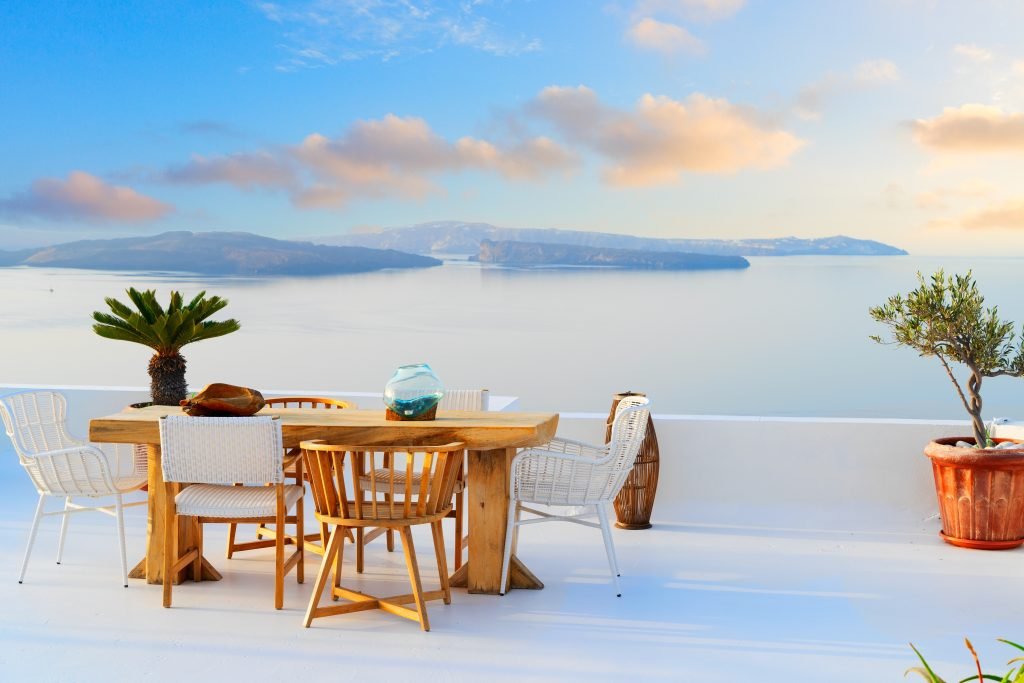
For a decade, luxury travel rewarded a certain kind of suffering. You baked on the sun lounger for the photo. You stood in the Santorini heat at golden hour because the light was worth it. Discomfort was the toll you paid for the shot, and the shot was the point.
The coolcation trend is the first real crack in that logic.
Switzerland, Norway, Finland, Iceland, Scotland, Canada — these are the names surfacing again and again on 2026 travel-trend lists, and not because they’re new. They’re old, reliable, slightly unglamorous by beach-vacation standards. What’s new is that luxury travelers are choosing them on purpose, in July, instead of treating them as consolation prizes for people who don’t like sand.
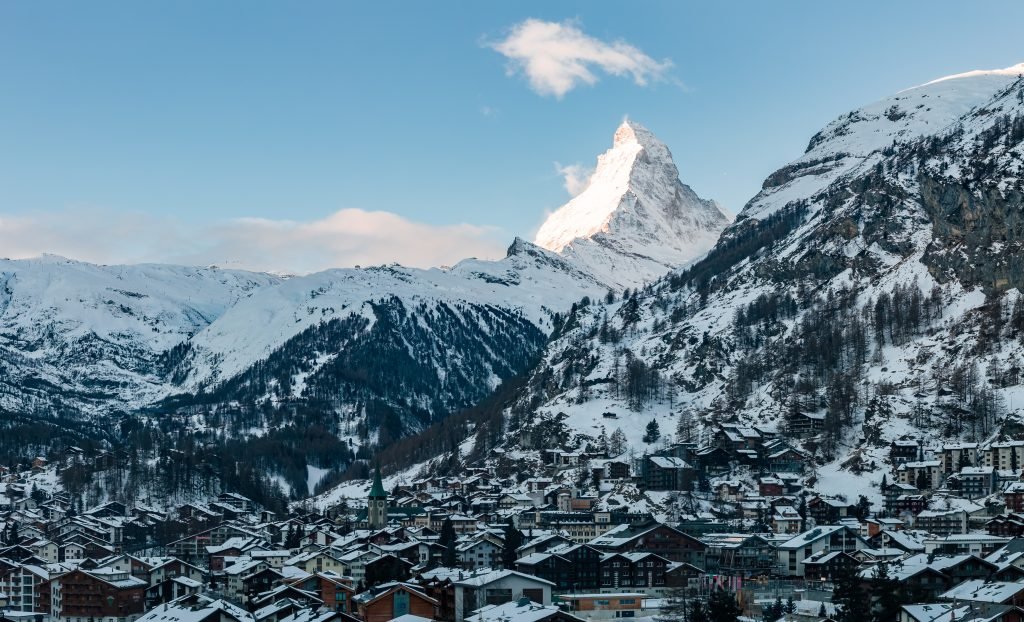
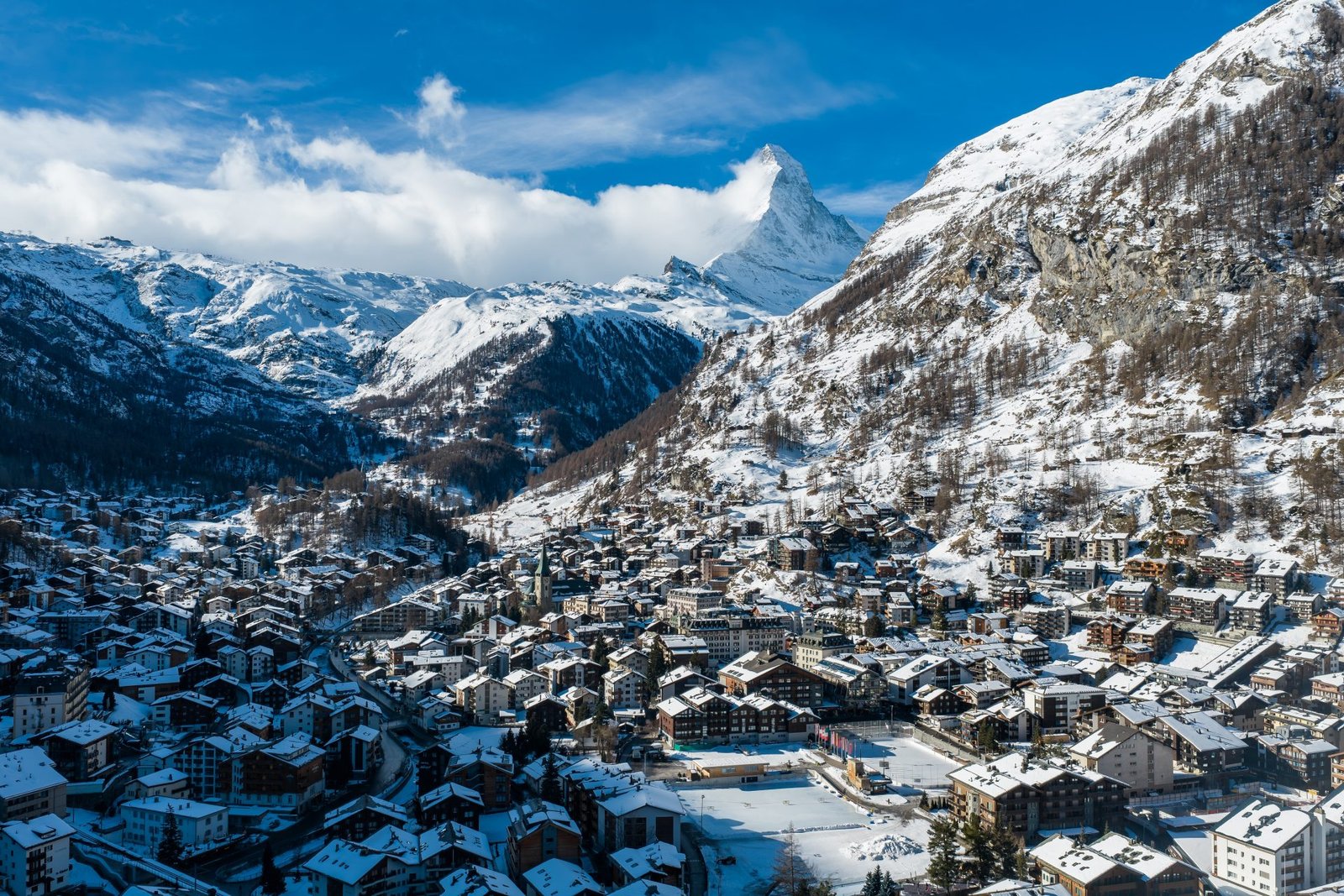
The Swiss Alps are the clearest case. Alpine resorts that used to think of July and August as their off-season are reporting the opposite: wellness properties at altitude, where the daytime temperature sits in the sixties, are filling rooms that once sat empty between ski seasons. The Nordic countries tell a similar story — Norway and Finland showing up on booking platforms’ summer search data with real, sustained growth, not a single viral spike. Iceland’s appeal barely needs explaining anymore; it has become the coolcation’s unofficial capital, glaciers and fjords doing in one trip what used to take three separate itineraries.
Here’s the part worth sitting with: this isn’t really about temperature. It’s about what temperature does to a person. Heat performs. Cool restores. A traveler standing in an alpine meadow at sixty-two degrees isn’t managing her body — she’s free to actually be in the place. That’s the meaning pivot underneath the marketing term. Coolcation sounds like a weather hack. It’s actually a referendum on what luxury travel is supposed to feel like.
Evidence: the destinations getting the call
I’ll admit my own bias here. I’ve turned down more than one July invitation to Mykonos in favor of a week in the Dolomites, and I don’t regret a single one. There’s a specific kind of ease that comes from a body that isn’t fighting its environment — you sleep better, you eat without the accompanying nausea of heat exhaustion, you actually want to walk somewhere instead of lying flat under a fan waiting for 6 p.m.
The destinations benefiting aren’t chasing novelty. Tallinn’s Old Town, with its thirteenth-century merchant houses converted into boutique hotels, is having a moment less because it’s undiscovered and more because it’s cool — literally, in July, and figuratively, in the sense that it’s finally being taken seriously as a luxury base rather than a stag-party stopover. Canada’s lake country and Scotland’s Highlands are absorbing overflow from travelers who, five years ago, would have defaulted to the south of France without a second thought.
And then there’s the honest wrinkle in all of this: the coolcation destinations are starting to crowd. Reykjavik hotel rooms in July book out months in advance now. Lofoten’s small hospitality footprint means demand is outpacing supply fast. The places people are fleeing to escape overtourism are, by definition, at risk of becoming the next overtoured places — just colder ones. A trend built on escaping crowded beaches doesn’t automatically escape crowds; it just relocates them.
Coolcation travel also isn’t universal. Families tied to summer school schedules, travelers whose only vacation window is July and August, people without the flexibility to chase shoulder-season pricing north — for them, this trend is aspirational at best, irrelevant at worst. It’s a trend built for travelers with calendar freedom, and it’s worth naming that plainly rather than pretending it’s available to everyone equally.
What it means
The coolcation isn’t really new destinations. It’s a new definition of what a good trip owes you. For years, the unspoken deal was that luxury travel would give you the photo in exchange for your comfort. This trend quietly renegotiates that deal.
Comfort, it turns out, is what luxury travelers are willing to fly further for.
That’s the whole shift, distilled: not colder, better.
FAQs
What is a coolcation? A coolcation is a trip planned around a cooler climate rather than a specific bucket-list destination — typically taken in summer to avoid extreme heat, humidity, and overcrowded beach towns in favor of mountain, Nordic, or northern coastal settings.
Where are the best coolcation destinations for 2026? Switzerland, Norway, Finland, Iceland, Scotland, and Canada consistently top 2026 coolcation lists, with alpine wellness resorts and Nordic boutique hotels seeing the strongest luxury demand.
Is a coolcation just a rebrand of a regular summer trip? Not quite. The distinction is intent: travelers are actively choosing a destination because of its climate comfort, not despite the fact that it isn’t a traditional beach hotspot.
Are coolcation destinations more expensive than beach vacations? Pricing varies, but demand surges in places like Reykjavik and the Lofoten Islands have pushed peak-summer rates up in markets with limited luxury inventory, sometimes rivaling Mediterranean high-season pricing.
Why are luxury travelers avoiding the Mediterranean in summer now? Repeated summer heatwaves across southern Europe have made peak-season temperatures genuinely uncomfortable, pushing travelers who prioritize comfort toward cooler alternatives rather than tolerating extreme heat for a familiar view.
Is the coolcation trend connected to climate change? Indirectly, yes. Rising summer temperatures across traditional beach destinations are a documented driver of travelers rethinking when and where they take warm-weather trips.
What’s the best time to book a coolcation destination like Iceland or Norway? Given rising demand, booking six to nine months ahead for peak July and August dates is increasingly advisable in destinations with limited luxury room inventory.