

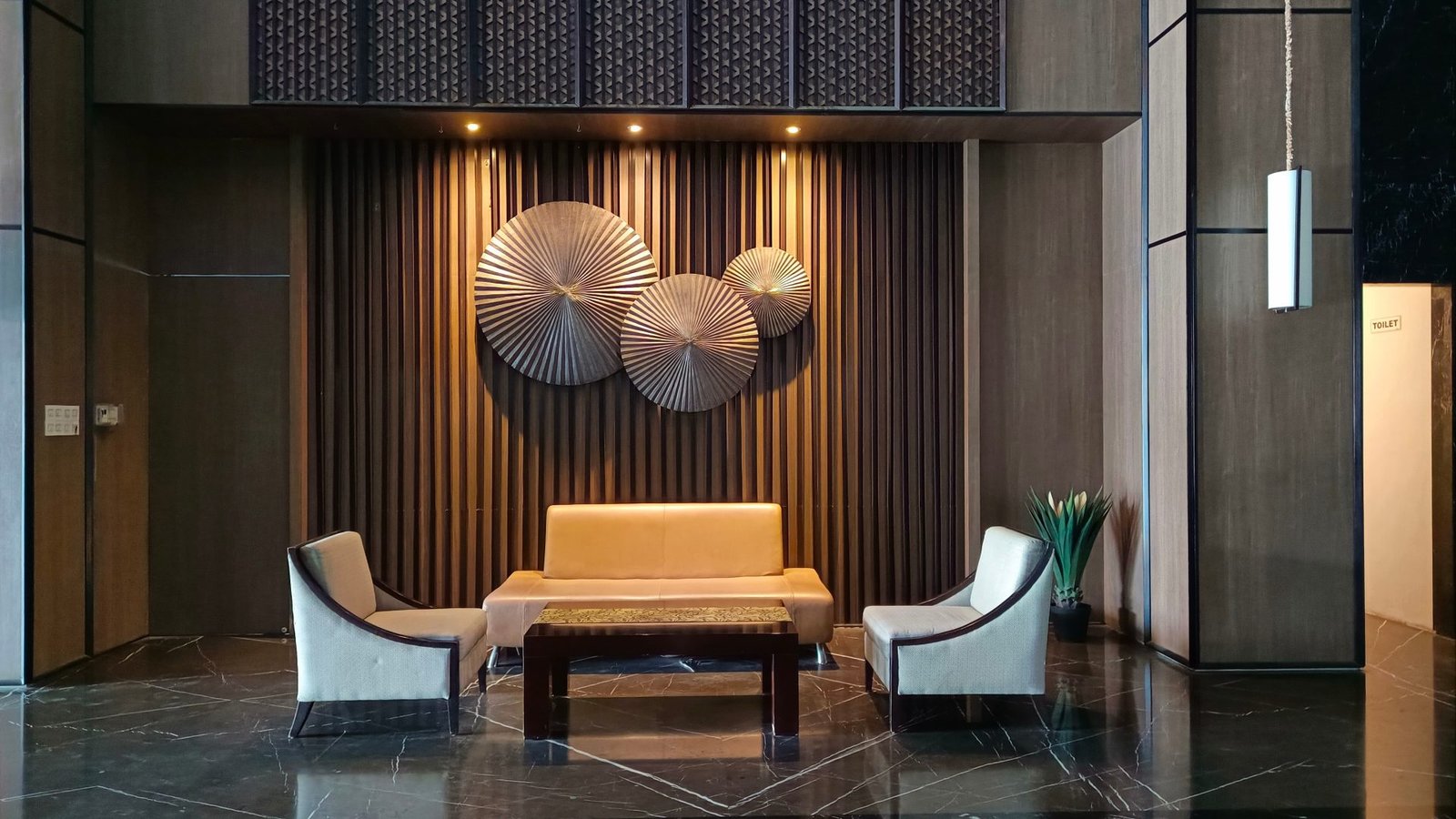
One of our editors flies enough for work that she’s stopped being impressed by anything airport-related, and last month she sent a photo from Miami International with one line attached: “this doesn’t look like a $50-a-guest experience.” The photo showed a line of people pressed against a glass wall, waiting to get into a room that, from where they stood, looked half empty.
The Amex Centurion Lounge is American Express’s network of premium airport lounges, open to Platinum and Business Platinum cardholders and select Delta Reserve members. It offers upscale food, full bars, and amenities like spa treatments — but as of July 2026, access rules are tighter and guest fees add up fast.
That photo is basically the whole story of the Centurion Lounge in 2026. A genuinely good idea, executed at a scale that keeps outrunning itself.
What to Expect From the Amex Centurion Lounge
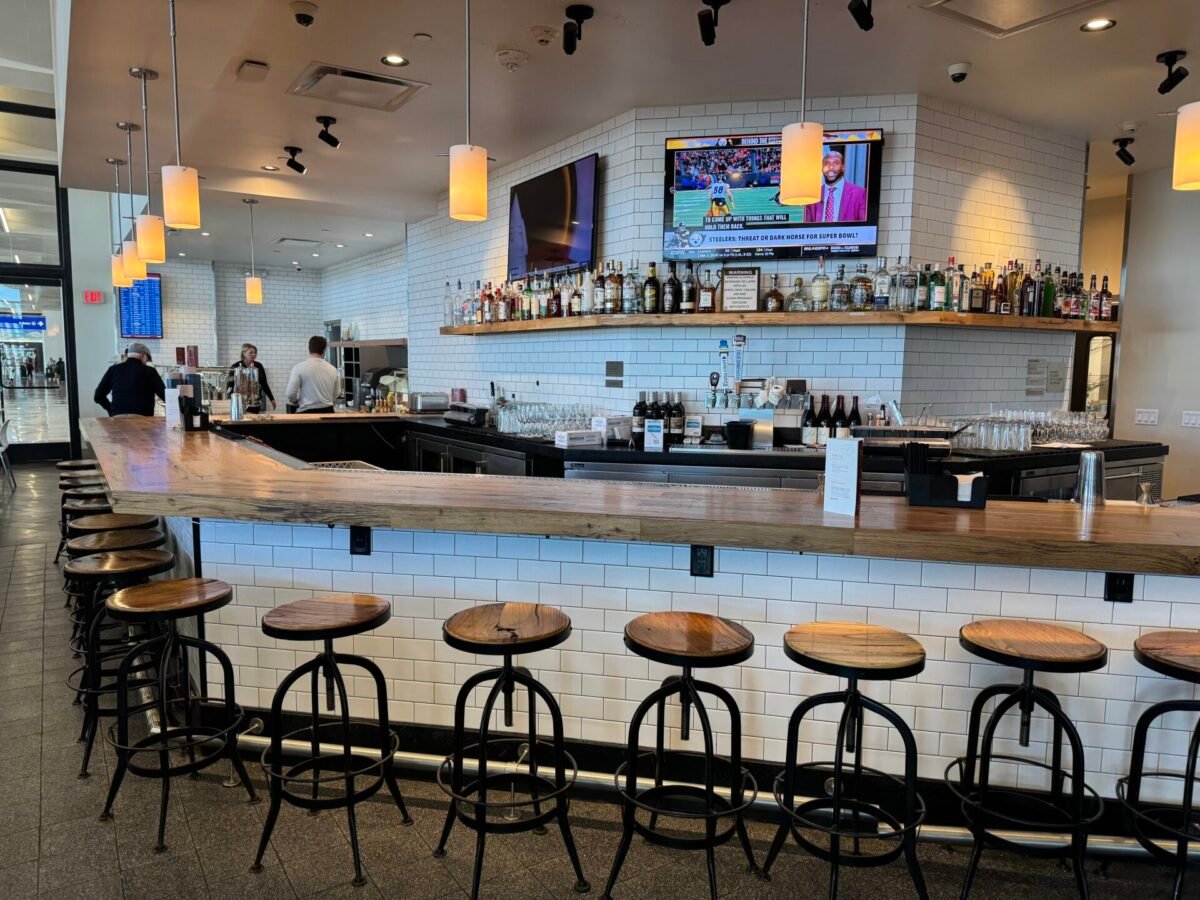
The Centurion Lounge was built to be the answer to a real problem: airport lounges used to mean stale bagels and a cash bar. Amex opened its first Centurion Lounge in Las Vegas in 2013 with chef-driven menus, proper cocktails, and design that looked more like a boutique hotel lobby than a holding pen. It worked. It worked so well that it became the single most-cited reason people apply for the Platinum Card.
That popularity is now the lounge’s biggest liability.
There are more than 30 Centurion Lounges across the U.S. and international hubs including London Heathrow and Hong Kong. Each one has a kitchen producing a seasonal, rotating menu (often with a local or celebrity-chef collaboration), a full-service bar with a house cocktail list, dedicated workspaces, shower suites at larger locations, and — at a shrinking number of airports — spa treatments.
Here’s the trade-off nobody puts in the marketing: the lounge you get depends entirely on which airport you’re standing in, and increasingly, on how many other Platinum cardholders happen to be flying that day too.
The Walk-Through: Arrival, Food, Bar, and Amenities
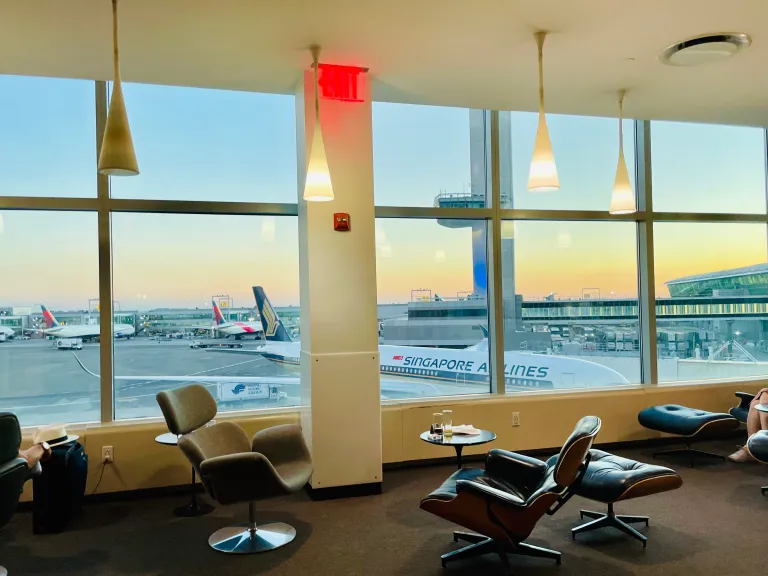
Walk up to a Centurion Lounge at a mid-size airport on a Tuesday morning and it can still feel like the original promise: a host checks your boarding pass and card, you’re seated near a window, someone drops off a menu, and you order breakfast the way you would at a proper restaurant. That’s the version Amex sells you in the ad.
Walk up to one at LAX, JFK, or Miami on a Friday afternoon and the experience changes completely. You may wait in a roped line before you even reach the host stand — sometimes 30 to 60 minutes — even when there are open seats visible through the glass. This isn’t a rumor; it’s a well-documented, recurring complaint across the network, and it’s the single biggest gap between the brand promise and the lived reality.
Once you’re in, the good version of this experience is genuinely good. Dallas-Fort Worth’s Terminal D lounge is the network’s flagship for food — Tex-Mex and regional dishes rotate through a buffet, and the bar program is one of the strongest in any U.S. airport lounge. JFK’s Terminal 4 location is one of the largest in the network, with an expanded seating footprint and a dedicated spa. San Francisco and Seattle both run tight, well-designed spaces that rarely feel overrun outside peak hours.
Then there’s the amenity that’s quietly disappearing: complimentary spa treatments. A handful of locations — Dallas, Miami, and Los Angeles among them — have historically offered short massages or facials as a lounge perk. Amex has been closing those spa services at some of its most crowded locations specifically because of overcrowding, not because the treatments themselves were the problem. That’s the meaning pivot worth sitting with: the lounge isn’t struggling because the product got worse. It’s struggling because Amex sold too many keys to the same room.
Amex Centurion Lounge Review: Is It Worth It in 2026?
Here’s the part that changed most recently, and it’s not small.
As of July 8, 2026, Amex tightened Centurion Lounge guest rules in a real way: guests must now be booked on the same flight itinerary as the cardholder to enter. No more bringing a friend who’s connecting through on a different flight, no more meeting someone who isn’t actually flying that day. Access is also now capped to within a set window of your departure or connecting flight, cutting down on the practice of arriving hours early just to camp out in a comfortable chair.
The guest fee itself hasn’t moved: it’s still $50 per adult guest and $30 per child (ages 2–17), per visit, per location. Basic Platinum Card membership no longer includes free guests by default — you have to spend $75,000 on the card in a calendar year to unlock two complimentary guest visits. For nearly everyone else, bringing a partner and a kid to breakfast before a flight now costs $80 on top of what you’re already paying for the card.
So is it worth it? Genuinely — it depends on where you’re flying from, and this is where I’ll be the gentle contrarian: I don’t think the guest fee is actually the problem people think it is. Fifty dollars for a proper meal, a real cocktail, and a quiet place to work before a flight is not unreasonable pricing anywhere else in the world. The problem is that you’re now sometimes paying for a line, not a lounge.
The honest read: at Dallas, Seattle, San Francisco, or most off-peak hours anywhere in the network, the Centurion Lounge remains one of the better lounge experiences money and status can buy, and it comfortably justifies the card’s role in your wallet. At LAX, Miami, JFK, or any location during a holiday travel wave, you should walk in expecting the wait to be part of the experience, not an exception to it. If your travel is disproportionately through the crowded hubs, the lounge stops being a benefit and starts being a coin flip.
This is not the lounge network for someone chasing a guaranteed sense of calm before a flight. It’s the lounge network for someone who’s willing to gamble a little on timing in exchange for a genuinely elevated floor when it works.
How to Access the Centurion Lounge Network
Access comes primarily through two Amex cards: the Platinum Card and the Business Platinum Card. Both include Centurion Lounge access for the primary cardholder and, separately, Priority Pass Select membership — which is a different, much larger network of airport lounges that is not the same product and shouldn’t be confused with it. Priority Pass lounges are typically third-party operated, vary enormously in quality, and don’t carry Centurion’s food or design standard. Think of Priority Pass as the wide net and Centurion as the small number of lounges Amex actually built and runs itself.
Delta SkyMiles Reserve and Delta SkyMiles Reserve Business cardholders also get same-day access to Centurion Lounges in the U.S., Hong Kong, and London when flying Delta that day — a narrower, flight-specific version of the benefit.
A few access mechanics worth knowing before you go:
- You need your boarding pass and physical card at the door — mobile wallet versions of the card typically aren’t accepted for entry.
- Entry is generally allowed up to three hours before a departing flight, tightened to a shorter window for connecting flights.
- Authorized users on a Platinum account get their own access, but guest rules and fees still apply to anyone they bring.
- There’s no formal reservation system at most locations — it’s first-come, capacity-permitting, which is exactly why the line problem exists in the first place.
If lounge access is the deciding factor in your next premium card decision, it’s worth reading how the Centurion benefit stacks up against the competition in our breakdown, “Amex Platinum vs Chase Sapphire Reserve: The 2026 Verdict.”
Frequently Asked Questions
Is the Amex Centurion Lounge free to enter? Yes, for the primary Platinum or Business Platinum cardholder. Guests are not free by default — expect a $50 adult / $30 child fee unless you’ve hit $75,000 in annual card spend, which unlocks two complimentary guest visits per lounge visit.
How much is a Centurion Lounge guest pass in 2026? $50 per adult guest and $30 per child aged 2 to 17, charged per location, per visit. Children under 2 are free.
Which Amex cards get Centurion Lounge access? The Platinum Card and Business Platinum Card include full access. Delta SkyMiles Reserve and Delta SkyMiles Reserve Business cards get same-day access at select locations when flying Delta.
Is Priority Pass the same as Centurion Lounge access? No. Priority Pass is a separate, much larger lounge network included with Platinum cards, but it’s operated by third parties and the quality varies widely. Centurion Lounges are built and run by Amex directly.
What is the best Amex Centurion Lounge? Dallas-Fort Worth (Terminal D) is widely considered the strongest for food and bar program, though Amex is renovating it with a larger reopening planned for 2027. JFK’s Terminal 4 location is one of the largest and has a dedicated spa.
Do you need a reservation for the Centurion Lounge? No. Access is capacity-based and first-come, which is the root cause of the long lines reported at busier airports.
Why did Amex change Centurion Lounge guest rules in 2026? Effective July 8, 2026, guests must be on the same flight itinerary as the cardholder, and access windows tightened around departure times — a direct response to years of overcrowding complaints across the network.
Do all Centurion Lounges have spa treatments? No, and the number offering them is shrinking. Amex has closed spa services at some of its most crowded locations, including Dallas, Miami, and Los Angeles, citing overcrowding.
Related reading: “Amex Platinum vs Chase Sapphire Reserve: The 2026 Verdict” · “The Best Private Island Resorts in the World”