A reader wrote in last spring asking for a beach week. Somewhere warm, somewhere new, somewhere her fiancé hadn’t already been for work. We sent her to Sri Lanka’s south coast. She came home talking about a tea plantation four hours inland that she’d added on a whim.
That’s the thing about this island. You plan for one Sri Lanka and leave having found three.
This Sri Lanka luxury travel guide covers what a well-run, well-timed trip actually looks like in 2026: where the dry season really is (there are two, and they don’t overlap), which hotels are worth the flight, and who should book something else instead.
Why Sri Lanka, Why Now
For a decade, Sri Lanka carried a certain reputation. Backpacker circuit. Yoga retreats. A cheaper cousin to the Maldives, good for a detour, not a destination. That was never quite fair, and it’s less fair now. Amanwella has been quietly running one of Aman’s most understated properties on the south coast for over twenty years. Cape Weligama and Ceylon Tea Trails both hold Relais & Châteaux status. The island has always had the goods. It just didn’t have the marketing.
What’s changed is access and comfort. Roads have improved. The Southern Expressway cuts what used to be a five-hour crawl from Colombo to the south coast down to under three. More airlines are flying in. And the case for going now is a simple one: this is still a place where five-star means five-star money buys space, not just square footage.
Here’s the detail worth sitting with. Sri Lanka runs two monsoons, and they hit opposite coasts. The Yala monsoon soaks the southwest from May to September. The Maha monsoon takes the northeast and cultural triangle from October to January. Which means there is almost always a dry, sunny half of the island, you just have to know which one.
Best Time to Visit Sri Lanka
For the south and west coasts, Bentota, Galle, Mirissa, Tangalle, the reliable window is December through April. This is also when Yala National Park is driest and easiest for safari.
For the cultural triangle (Sigiriya, Kandy, Dambulla) and the east coast (Trincomalee), the better months run March through September.
The hill country, Nuwara Eliya, Ella, the tea estates around Hatton, stays cool and green nearly year-round, which is part of its appeal. Locals call it “Little England” for the climate as much as the colonial architecture, and it’s the one region on the island that doesn’t punish you for getting the timing wrong.
For a first trip that wants to touch both coast and hill country in one itinerary, aim for January through March. It’s the one stretch where nearly everything lines up.
Sri Lanka Luxury Hotels: Where and How to Stay
Amanwella, Tangalle — Thirty suites on the south coast, each with a private plunge pool, designed by architect Kerry Hill in the spare, tropical-modernist language pioneered by Geoffrey Bawa, the Sri Lankan architect who more or less invented the vocabulary every luxury resort in Southeast Asia now borrows from. The beach here is public and unglamorous by design. That’s the point. Nothing about Amanwella is trying to impress you. It just does.
Cape Weligama, Weligama — Perched on a cliff south of Galle, this is the more social, more photographed option: infinity pool, cliff-edge villas, a livelier bar scene. Good for a honeymoon that still wants a bit of see-and-be-seen energy alongside the quiet.
Ceylon Tea Trails, Hatton — Five restored colonial tea-planter bungalows scattered across the hill country, each with its own staff, kitchen, and butler. This is the world’s first tea-bungalow resort, and it remains the best argument for building an extra three days into any Sri Lanka itinerary. The tea fields roll out below the verandas in a way that photographs undersell. Slow mornings here mean something specific: a pot of estate-grown tea, mist burning off the valley, no schedule.
Chena Huts, Yala — Thatched-roof villas with private plunge pools set on the edge of Yala National Park, the best place on the island to see leopards in the wild. This is where the trip earns its jungle credentials, and where the days get quieter, not busier, the closer you get to the animals.
Budget ten to fourteen days if you want to string two or three of these together properly. Expect three to four hours of driving between regions. A private driver, arranged through the hotels, is standard practice here and worth every rupee. It also turns transit days into a version of the trip itself, tea shacks and roadside stalls included.
Getting There
There’s no nonstop flight from the US. Expect one connection, typically through London, Doha, or Dubai. From London Heathrow, SriLankan Airlines flies direct to Colombo in around eleven hours, several times a week; British Airways adds seasonal service from Gatwick. From India, Colombo is a short hop, well under four hours from most major metros, which makes Sri Lanka one of the easiest luxury add-ons for anyone already traveling through South Asia.
Chhavi, who is vegetarian and has eaten her way through most of India’s best kitchens, will tell you this without being asked: Sri Lankan food is one of the most vegetarian-friendly cuisines in Asia, dhal, hoppers, jackfruit curry, pol sambol, and it alone justifies the detour.
Is Sri Lanka Safe in 2026
Yes, with the normal caveats of travel anywhere. The US State Department lists Sri Lanka at Level 2, exercise increased caution, mostly tied to occasional political demonstrations rather than any specific threat to travelers. Petty theft and gem scams around tourist sites like the Temple of the Tooth in Kandy are the realistic concerns, not violent crime. The south coast and Colombo’s Western Province, where most of this itinerary lives, carry excellent safety records, including for solo women.
Who This Is For
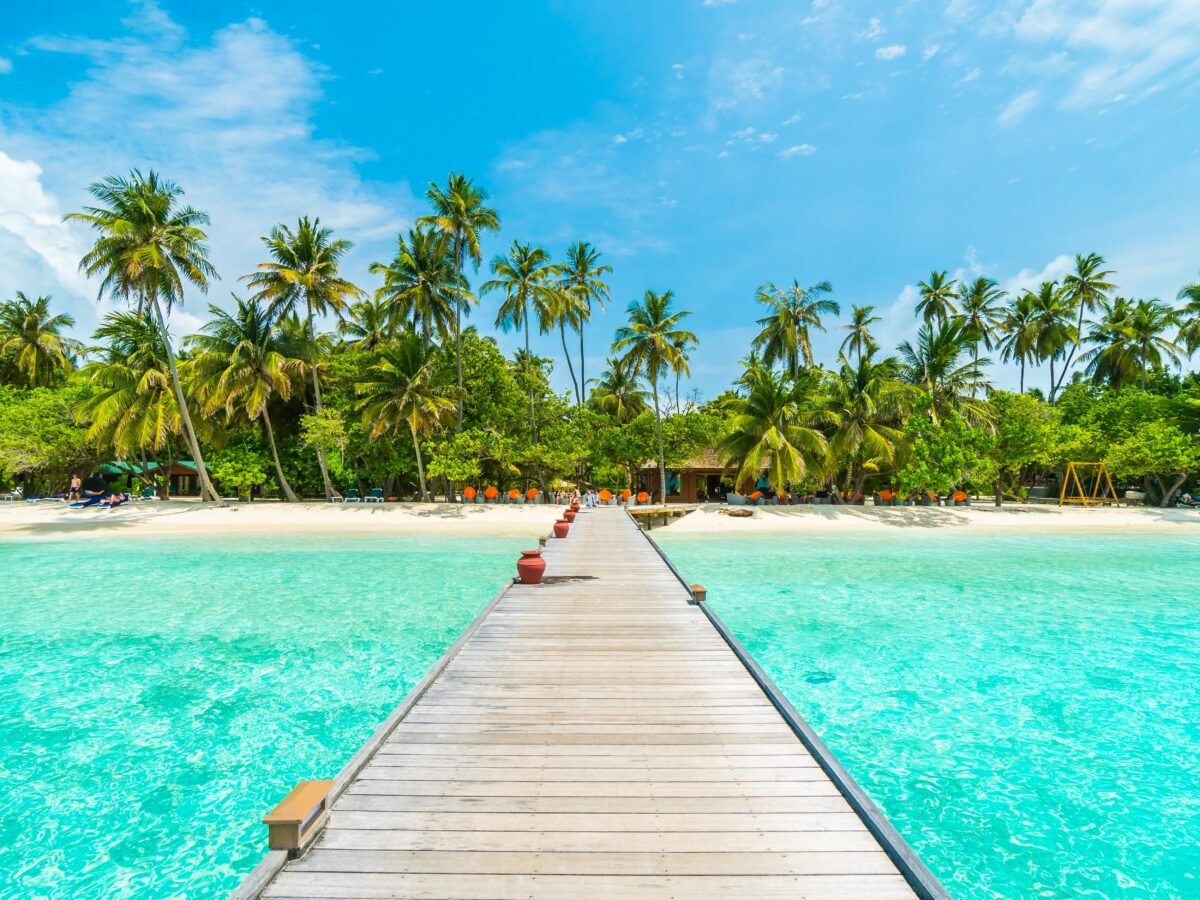
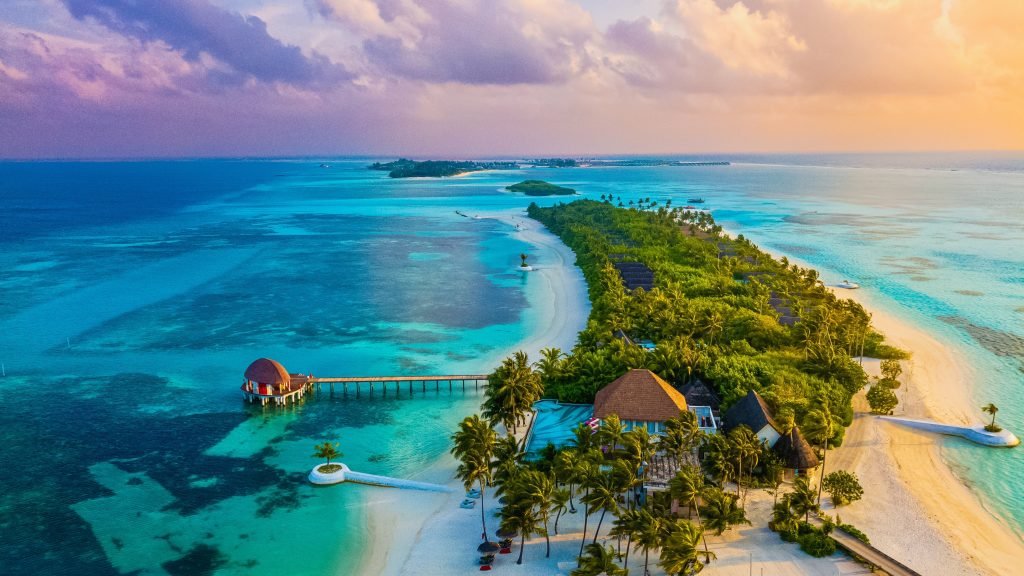
Sri Lanka rewards travelers who want texture, not a single flawless beach week. If your ideal trip is one resort, one view, minimal movement, book the Maldives instead; you’ll get more of that specific stillness for less effort. Sri Lanka asks you to move: coast to hill country to jungle, three or four hours at a time, on roads that are better than they used to be but still Sri Lankan roads.
What you get in exchange is a country that still feels like it belongs to itself. Not staged for you. Not finished being discovered. Slow, in the way that’s earned rather than performed.
That’s the whole case for going now, before everyone else catches on.
Frequently Asked Questions
What is the best time to visit Sri Lanka for a luxury trip? December through April is best for the south and west coasts and for safari in Yala. March through September favors the cultural triangle and east coast. The hill country stays pleasant nearly year-round.
Is Sri Lanka good for a luxury honeymoon? Yes. Properties like Amanwella, Cape Weligama, and Ceylon Tea Trails offer the privacy, service, and design of any top-tier Indian Ocean honeymoon destination, typically at a lower cost than the Maldives, with far more to actually do.
How many days do you need for a Sri Lanka luxury itinerary? Plan for ten to fourteen days to comfortably combine two or three regions, such as the south coast, hill country, and a safari lodge near Yala. A week is workable but tight.
What is the best luxury hotel in Sri Lanka? Amanwella is widely considered the benchmark for design and privacy on the south coast. Ceylon Tea Trails is the standout for a completely different, hill-country experience.
How do you get to Sri Lanka from the US or UK? There’s no nonstop flight from the US; plan on one connection via London, Doha, or Dubai. From London Heathrow, SriLankan Airlines flies direct to Colombo in roughly eleven hours.
Is Sri Lanka safe to visit in 2026? Generally yes. The US State Department rates it Level 2, exercise increased caution, primarily due to occasional political demonstrations. Petty crime near tourist sites is the main practical concern.
Sri Lanka or the Maldives, which is better for a honeymoon? The Maldives wins for pure overwater-villa seclusion and simplicity. Sri Lanka wins for range, beaches, mountains, wildlife, and culture, in a single trip, and for travelers who want their honeymoon to also be an adventure.