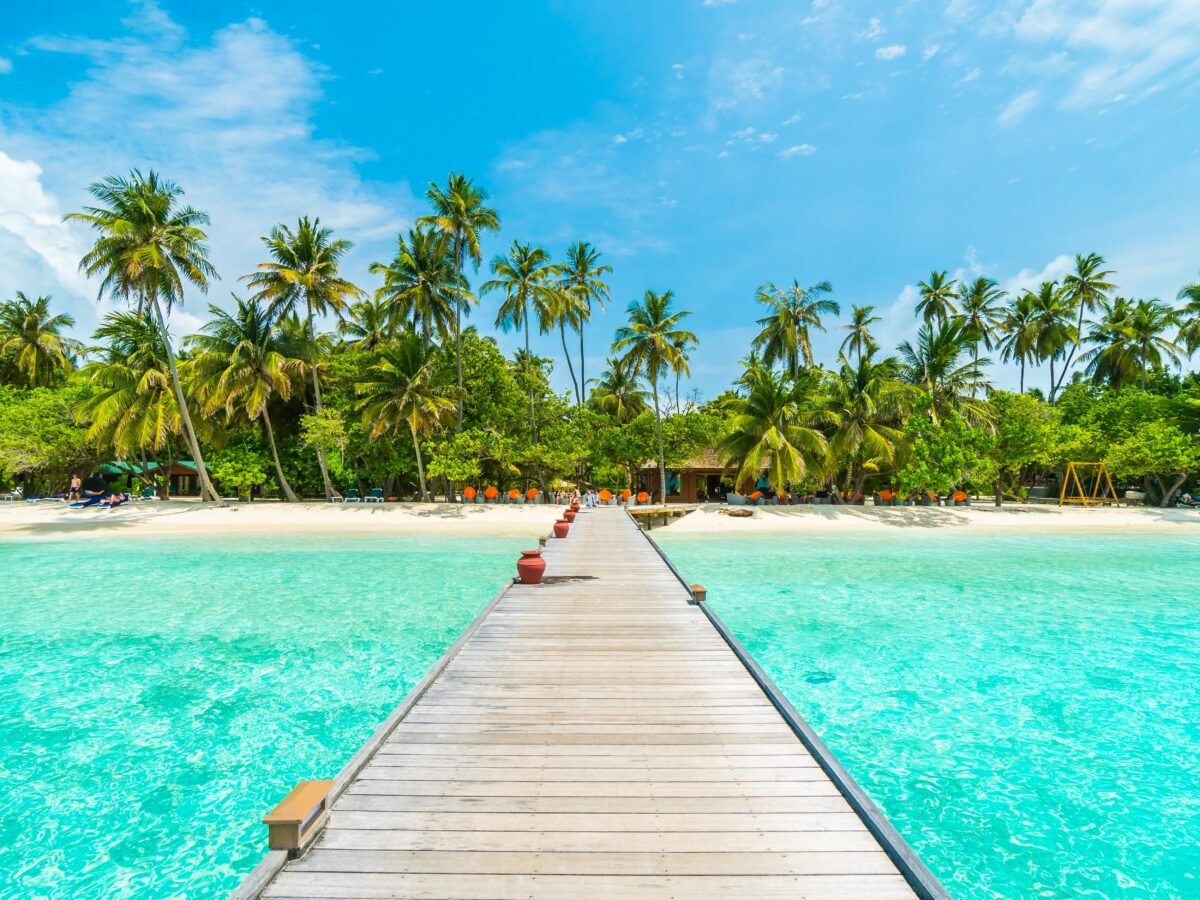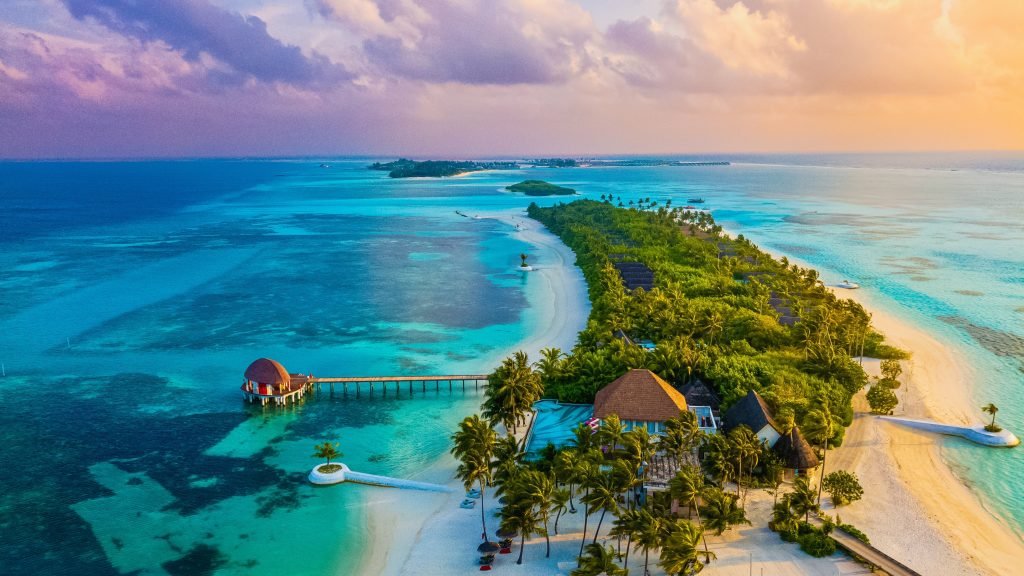
The Seychelles has spent a decade in the Maldives’ shadow, mentioned in the same breath, priced in the same bracket, photographed with the same turquoise water, and treated, unfairly, as the understudy. It isn’t one. The Maldives sells isolation: an atoll, a villa, an ocean with nothing else in it. The Seychelles sells granite, jungle, and a topography so unlikely, boulders the size of houses stacked on white sand, that the islands stop feeling like a resort backdrop and start feeling like an actual place with actual geology. That’s the whole pitch, and this guide is a point of view on how to spend a trip there properly.
Why Now
Two things are converging in 2026. First, the islands have leaned hard into what locals call barefoot elegance, five-star resorts that still prioritize the granite and the forest over imported glamour, a deliberate contrast to the manufactured-island aesthetic some Indian Ocean destinations have drifted toward. Second, the Seychelles has doubled down on Blue Economy initiatives, marine protection and sustainable fisheries policy that’s made the diving and snorkeling here noticeably better maintained than in more heavily trafficked reef destinations. You’re not just visiting a beautiful place. You’re visiting one that’s actively trying to stay that way.
Where and How
Mahé is the main island and the most concentrated luxury base, home to Constance Ephelia and a Four Seasons with the scale and amenity list travelers expect from those names, multiple restaurants, full spa programs, and enough acreage to disappear into. It’s the right choice for a first Seychelles trip or for travelers who want resort infrastructure alongside the scenery.
Praslin slows the pace considerably and holds the islands’ signature natural landmark, the Vallée de Mai, a UNESCO-listed palm forest that’s one of only two places on earth the coco de mer palm grows wild. It’s worth a full day even for guests based elsewhere.
La Digue is where the postcard shot actually lives, Anse Source d’Argent’s granite boulders framing pink-white sand, and it’s best experienced as a day trip or a short, deliberately unglamorous stay: bicycles instead of cars, guesthouses instead of resort towers. It’s the one island in this guide where “less luxury” is the correct choice, because the point of La Digue is the landscape refusing to be improved on.
The islands connect by short domestic flights and ferries; a well-built itinerary spends the majority of nights on Mahé, adds two or three on Praslin, and treats La Digue as a day excursion rather than a base.
When to Go
April, May, October, and November are the shoulder months between the Seychelles’ two trade wind seasons, and they’re the ones worth planning around: calm seas, minimal wind, clear water for diving and snorkeling, without the crowd density of the December-January peak. May specifically edges out the rest, averages around 26°C, roughly eight hours of daily sunshine, mild humidity. It’s the month locals themselves point to when asked.
Budget, Honestly
A mid-range Seychelles budget in 2026 runs roughly €250 to €450 per day per person, boutique guesthouses, rental cars, a mix of Creole takeaway and sit-down dinners. Genuine luxury travelers should plan on €800 or more daily once resort accommodation, private transfers, and dining at the level of Four Seasons or Constance Ephelia enter the picture. That’s comparable to, sometimes slightly below, equivalent Maldives resort pricing, worth knowing if you’ve assumed the Maldives is the more affordable Indian Ocean option by default. It frequently isn’t.
Who It’s For
The Seychelles rewards travelers who want scenery with texture, granite, jungle, hiking trails, not just water. It’s a stronger honeymoon choice than the Maldives for couples who want at least one or two days doing something other than lying by an infinity pool, and a better family destination for the same reason: there’s actual land to explore between beach days.
It’s the wrong choice if total isolation is the goal. Even Mahé’s quieter corners sit within a short drive of other resorts and small towns, a genuinely different feeling from a private Maldivian atoll where your resort is the only structure for miles. If what you’re chasing is that particular flavor of remoteness, the Seychelles will feel, by comparison, populated.
FAQ
Is the Seychelles more expensive than the Maldives? Luxury-tier pricing is broadly comparable, often within the same range once resort accommodation and transfers are included; mid-range travel in the Seychelles can run more affordably than equivalent Maldives options.
What is the best island to stay on in the Seychelles? Mahé offers the most concentrated luxury resort infrastructure; Praslin suits travelers wanting a quieter, nature-focused few days; La Digue is best visited as a day trip rather than a base.
When is the best time to visit the Seychelles? April, May, October, and November, the shoulder months between trade wind seasons, offer the calmest seas and clearest water; May is frequently cited as the single best month.
Do you need a visa to visit the Seychelles? Most nationalities receive a visitor’s permit on arrival rather than a pre-issued visa, though travelers should confirm current entry requirements for their specific passport before departure.
Is the Seychelles good for a honeymoon? Yes, particularly for couples who want scenery and light activity alongside beach time rather than pure isolation; it pairs well with resorts like Four Seasons Seychelles or Constance Ephelia on Mahé.
How many days do you need in the Seychelles? Seven to ten days allows a base on Mahé, two to three nights on Praslin, and a day trip to La Digue without feeling rushed.
Internal links: pair this guide with our Best Overwater Villas Beyond the Maldives and Best Adults-Only Luxury Honeymoon Resorts round-ups for Indian Ocean trip planning.