Somewhere on the top floor of Umaid Bhawan Palace in Jodhpur, behind a wing closed to guests, Gaj Singh II still lives. The palace is a hotel now, one of the largest private residences on earth, but it was never fully handed over. The Maharajah kept a floor. Guests get the rest.
A luxury travel guide to Rajasthan means knowing which palaces are hotels and which are still, in part, someone’s house — and building a route between Jaipur, Udaipur, Jodhpur, and Jaisalmer that treats each city as its own mood, not a stop on a checklist.
That’s the thing about Rajasthan’s palace hotels. They aren’t performing royalty. They’re just still, quietly, home to it.
This is India’s most photographed state and its most misunderstood one. Get the timing and the properties right, and it delivers some of the most quietly moving hospitality anywhere in the world. Get it wrong, and you’ll spend a week sweating through forts in April, wondering what the fuss was about.
Why Now: The Best Time to Visit Rajasthan
The best time to visit Rajasthan is late October through March. That’s the whole answer, really — the desert state runs two seasons, brutal and gracious, and the gracious one lasts about five months.
By late October, the monsoon has cleared and the heat that defines Rajasthan for most of the year has broken. Days settle into the low-to-mid 80s, dry and bright. Evenings turn genuinely cool, cool enough for a shawl on a rooftop in Jaisalmer, cool enough that a fire pit at a desert camp isn’t theater. December and January are the coolest, occasionally sharp at dawn in the desert. By March, the heat starts creeping back in, and by April it’s not a debate anymore. Rajasthan in summer is a different, harder country, with temperatures that regularly clear 110°F.
Peak season, and peak pricing, runs December through February, especially around the holidays. Late October, November, and early March offer nearly identical weather with noticeably thinner crowds at Amber Fort and better availability at the palace hotels that book out early. If flexibility is on the table, that’s the window to take.
Where and How: A Luxury Travel Guide to Rajasthan’s Golden Triangle and Beyond
The classic route starts outside Rajasthan entirely. Most itineraries open with the Golden Triangle — Delhi, Agra, Jaipur — before branching west and south into the state’s four defining cities: Jaipur, the pink capital; Udaipur, built around its lakes; Jodhpur, the Blue City beneath its fort; and Jaisalmer, gold sandstone rising straight out of the Thar Desert. Ten to fourteen days covers it properly. Fewer, and you’re collecting forts instead of feeling them.
Where to Stay
Two hotels anchor any serious Rajasthan trip, and they could not be more different in what they ask of you.
Taj Lake Palace, Udaipur floats, literally, on Lake Pichola, accessible only by boat. It was built in 1746 as a royal summer retreat and it still reads that way: white marble, courtyards open to the sky, the city’s ghats and havelis glowing on the shoreline at dusk. This is the honeymoon postcard of Rajasthan, and it earns the reputation. The trade-off is that you’re on an island. There’s no wandering out for a street-side lassi at midnight.
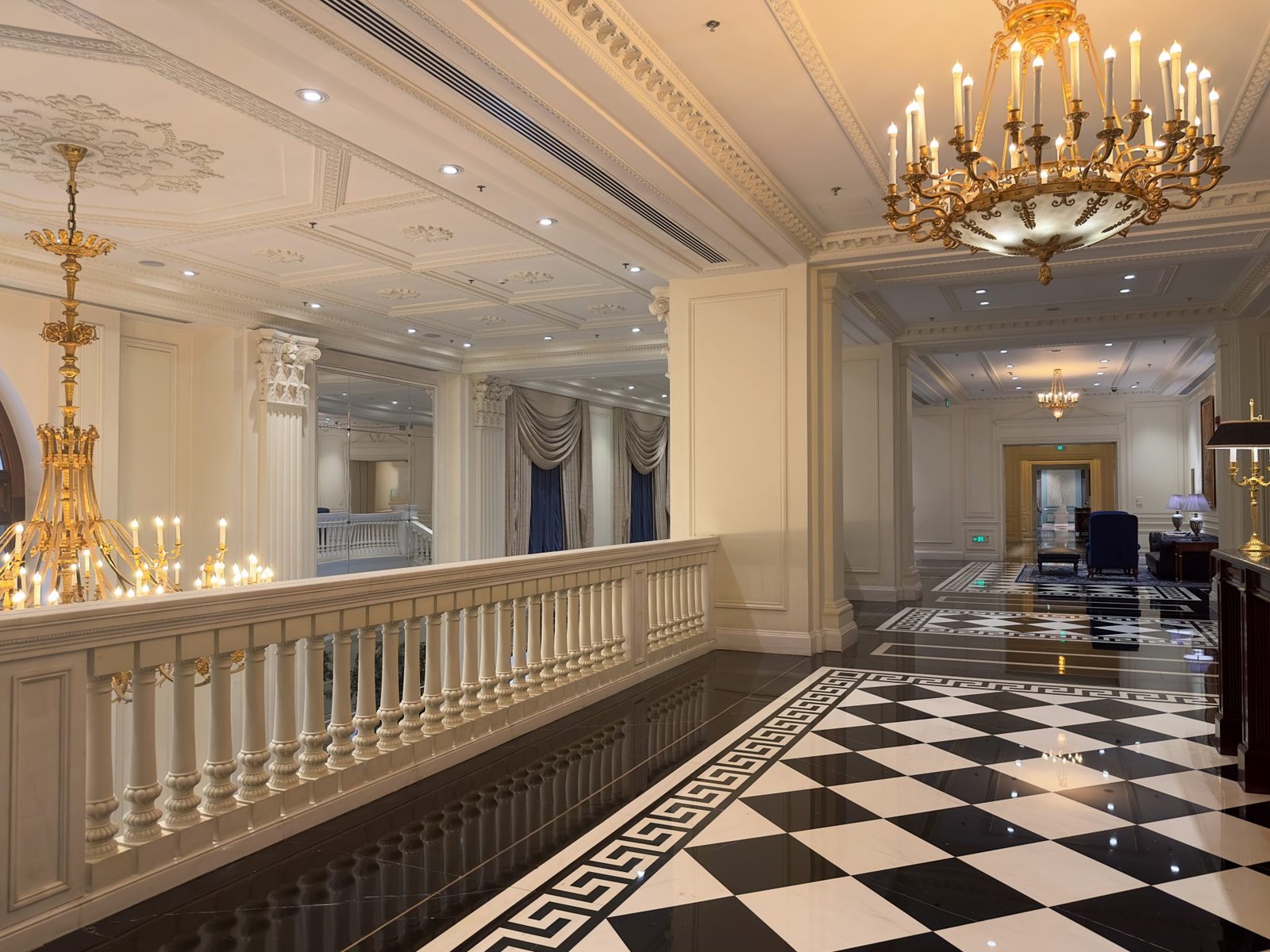
Taj Umaid Bhawan Palace, Jodhpur is the more serious of the two — a working royal residence turned hotel, all Art Deco geometry and desert sandstone, overlooking the Blue City from a hilltop the Rathore dynasty has held for centuries. Staying here isn’t just booking a room. It’s being a guest, briefly, in someone’s family history.
Rates at this tier run roughly ₹8,000 to ₹20,000 a night at the high end for the full royal-treatment suites, a wide range, and worth checking directly, since palace hotels price room categories aggressively far in advance of high season.
Signature Experiences
The forts and lakes are the backdrop. What makes Rajasthan a luxury destination and not just a scenic one is what happens around them.
A private tour of Amber Fort in Jaipur, timed for early morning before the tour buses arrive, turns a crowded monument into something closer to a conversation with 16th-century Rajput history. A tiger safari in Ranthambore National Park, a few hours from Jaipur, is the closest thing India offers to an African safari, and sightings, while never guaranteed, are genuinely good by global tiger-tourism standards. And an intimate dinner inside a noble or heritage family’s home in old Jaipur, arranged through the right hotel concierge rather than a tour app, will tell you more about Rajasthan in two hours than three days of monument-hopping.
A Luxury Rajasthan Itinerary, Roughly
A well-paced route looks something like this: two nights in Delhi and Agra for the Golden Triangle formalities, three in Jaipur for forts and that heritage-home dinner, three in Udaipur floating between the Lake Palace and the city’s ghats, two in Jodhpur under the fort, and two or three in Jaisalmer for the desert. Fuller, private, fully guided versions of this route, the kind with a dedicated car, driver, and guide throughout, commonly run USD $3,000 to $6,000 per person, depending on length and hotel tier. It’s not a budget trip. It was never going to be one.
For travelers who want the logistics handled and the pacing right, this is exactly the kind of route worth having planned rather than pieced together — the difference between a good Rajasthan trip and a genuinely restorative one usually comes down to sequencing, not spending.
Who This Trip Is For — and Who It Isn’t
Rajasthan rewards travelers who like texture: noise, color, history that’s still lived-in rather than roped off. Chhavi grew up on stories of these palaces long before she ever set foot in one, and what strikes her most on returning isn’t the marble. It’s how unbothered Rajasthan is by the idea of impressing you. It simply is what it is, and it expects you to meet it there.
It is not the trip for anyone who wants their luxury sealed off from the country around it. The forts are crowded at midday. Jaipur’s streets are loud. The palace hotels are calm, but they sit inside cities that are decidedly not. If the appeal of luxury travel is a private island with the world locked outside, Rajasthan will feel like a compromise. If the appeal is history you can touch, still occupied by the people who made it, this is one of the great trips left.
FAQ: Luxury Travel in Rajasthan
What is the best time to visit Rajasthan for luxury travel? Late October through March, with November and early March offering the best balance of good weather and lighter crowds. Avoid April through June, when daytime temperatures regularly exceed 110°F.
How many days do you need for a Rajasthan itinerary? Ten to fourteen days for a proper route covering Jaipur, Udaipur, Jodhpur, and Jaisalmer, plus the Golden Triangle. A week is workable if you drop one city.
Is the Taj Lake Palace in Udaipur worth it? Yes, for the setting alone — a hotel that floats on Lake Pichola, reachable only by boat. Book well ahead for lake-facing rooms in peak season.
Can you still visit the Umaid Bhawan Palace if the Maharajah lives there? Yes. The palace operates as a Taj hotel with 64 guest rooms and suites; the royal family’s private wing is separate and not part of the guest experience.
How much does a luxury Rajasthan trip cost? Palace hotel rooms run roughly ₹8,000 to ₹20,000 a night at the high end. Fully guided private multi-day tours commonly run USD $3,000 to $6,000 per person.
Is Ranthambore worth adding to a Rajasthan itinerary? Yes, if a tiger safari matters to you. It adds two to three days but offers some of the best tiger-sighting odds in India.
Is Rajasthan comfortable for solo female travelers at the luxury tier? Within the hotel and guided-tour ecosystem, yes. Private drivers, guides, and reputable properties handle logistics that would otherwise be more demanding to manage solo.