Botswana’s safari calendar runs on water. In the dry months the bush thins out and wildlife crowds around whatever water remains. When the rains arrive in November, the country turns green, newborn animals appear and the visitors thin out instead. Choosing between those two versions of Botswana is the first decision in planning a safari here, and it shapes almost everything that follows.
This guide covers when to go, entry requirements, health, insurance and what to pack. If you have already read our feature, Luxury Botswana Safari: Africa’s Most Exclusive Adventure, you will know that Botswana offers a rare blend of raw wilderness and refined elegance. This is its practical companion.
Why choose Botswana for a safari
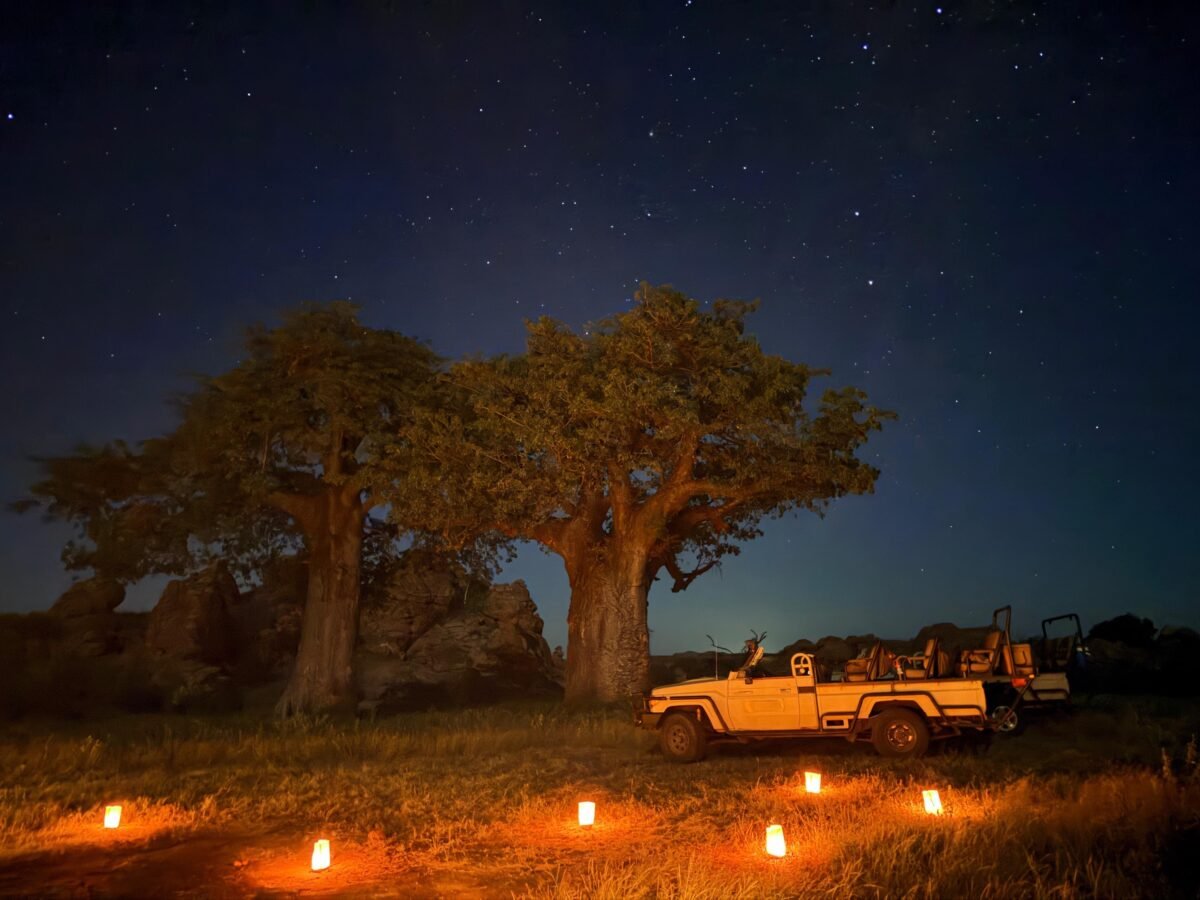
Botswana offers an extraordinary mix of untouched wilderness, diverse ecosystems and refined luxury. About 40 percent of the country is set aside for conservation as national parks, game reserves and wildlife management areas, a vast haven for wildlife and travelers alike.
Unlike destinations built around mass tourism, Botswana follows a low-volume, high-value model that limits guest numbers and preserves the natural balance of its ecosystems. The result is immense landscapes with few vehicles, expert local guides and a sense of privacy that makes every encounter feel personal.
Each region offers a different adventure: the watery maze of the Okavango Delta, the open plains of the Makgadikgadi Pans or the rugged beauty of the Tuli Block in the east.
When to go on a Botswana safari
You can enjoy a safari in Botswana year-round, and each season has its own rhythm and rewards. The best time to visit depends on your budget, your interests and the kind of experience you want, from the golden, dramatic dry season to the lush green season that follows.
The dry season: May to October
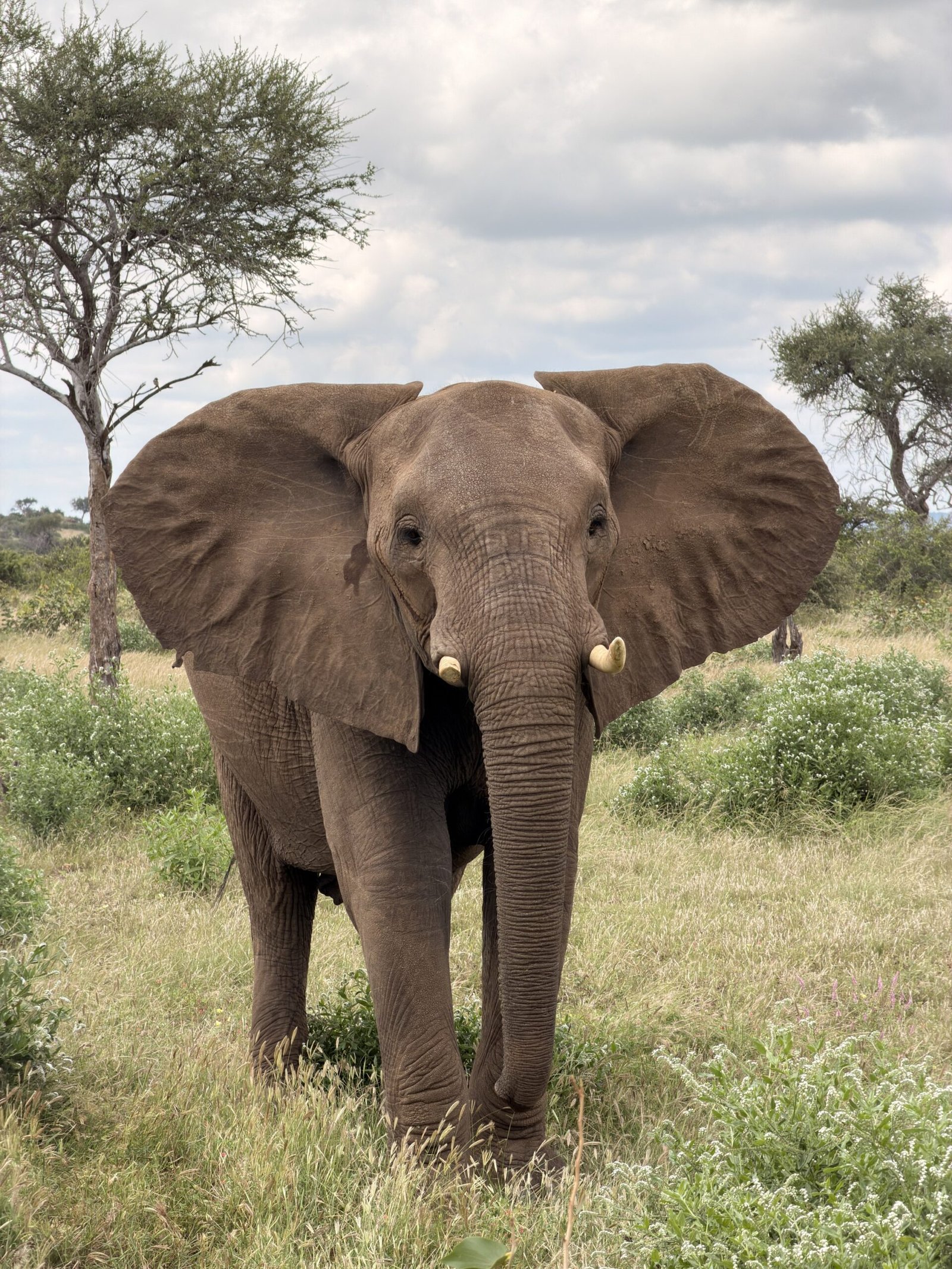
This is Botswana’s most popular time for safari, and with good reason. Skies are clear and wildlife congregates around the few remaining water sources. With sparse vegetation, sightings are frequent and intimate: elephants silhouetted against crimson sunsets, lions resting on open plains, herds of zebra gathering at the water.
Temperatures swing widely, so plan for both ends. In Maun, the gateway to the Okavango Delta, daytime highs average around 26°C (79°F) in June and July, but nights average about 9°C (48°F) and can approach freezing, which makes early morning drives cold. The heat builds from August, and by October highs average about 36°C (97°F).
The dry months are also peak season, when camps and lodges are in high demand and prices reflect it. Still, the sheer abundance of wildlife and the cinematic scenery make this the classic Botswana safari window, ideal for iconic sightings and crisp, golden light.
The green season: November to April
When the first rains arrive, the transformation is dramatic. The parched earth bursts into color, wildflowers bloom and new life appears everywhere. This period, particularly March and April, is a favorite with photographers and returning safari-goers who want a quieter, more reflective encounter with the bush.
During this “emerald season,” you may see newborn animals taking their first steps while migratory birds sweep across the sky. Fewer visitors mean more privacy and the chance to experience Botswana at its most tranquil and alive. The trade-offs are heat, with Maun’s highs averaging 33°C to 35°C (91°F to 95°F) from November to January, afternoon storms and a higher malaria risk in the north.
How to plan your Botswana safari
If you travel with a reputable operator, most logistics, from airport transfers to light-aircraft flights between camps, will be arranged for you. Understanding the basics will still help you prepare with ease.
Visas and entry requirements
For many travelers, entering Botswana is refreshingly simple. Citizens of the US, UK, Canada, Australia and most of Europe do not need a visa for tourist stays of up to 90 days. For US citizens, that is 90 days in total within any 12-month period, and immigration officers write the length of stay granted on your entry stamp.
Make sure your passport is valid for at least six months beyond your travel dates and has at least three blank pages. Emergency and temporary passports are not accepted for visa-free entry. Children under 18 need an unabridged birth certificate, either the original or a certified copy, showing both parents’ details, and if one parent is not traveling, a signed consent affidavit from that parent.
Rules can change, so check the official Botswana eVisa portal and your own government’s travel advice before departure.
Vaccinations and health
Consult your healthcare provider at least two months before travel. Routine vaccinations, including tetanus, should be up to date, and the US Centers for Disease Control and Prevention recommends hepatitis A and hepatitis B for most travelers. Depending on your itinerary, typhoid or rabies vaccination may also be advised.
If you are arriving from a country with a risk of yellow fever, including airport transits of more than 12 hours in one, you must show a valid yellow fever vaccination certificate on arrival.
Malaria and medications
Malaria is present in northern Botswana, including the Okavango Delta and Chobe, with the highest risk during and after the rains, roughly November to June. The south and east are lower risk but not risk-free. The CDC lists the Bobirwa subdistrict, which includes Mashatu and the Northern Tuli Game Reserve, as a transmission area where it recommends antimalarial medication, although Mashatu describes the reserve as low risk. Discuss prophylaxis with your doctor, use insect repellent and cover up in the evenings.
Bring enough prescription medication for the entire trip, as pharmacies in remote areas are limited.
Travel insurance
Comprehensive travel and medical evacuation insurance is essential. Healthcare is available in the major towns, but medical facilities in the bush are limited, so make sure your policy covers emergency air evacuation and private hospital care.
What to pack for a Botswana safari
- Soft-sided luggage: The light aircraft that link the camps typically allow 20 kg (44 lb) per person, including hand luggage and camera gear, and many require soft bags without wheels or frames. Check your operator’s exact limit.
- Neutral clothing: Stick to earthy tones such as beige, olive and khaki.
- Layers: Early mornings and evenings can be cool year-round and close to freezing in June and July.
- Sun protection: Bring a hat, sunglasses, sunscreen and a refillable water bottle.
- Good footwear: Closed-toe shoes for walking safaris and lightweight sandals for camp.
- Binoculars and camera gear: Essential for spotting wildlife and capturing golden-hour light.
A women-only safari retreat: the Botswana GLO Trip
For travelers who want more than adventure, the Botswana GLO Trip offers a deeper kind of journey, one that blends exploration with self-discovery. Set in the Land of Giants at Mashatu, this women-only retreat, founded and hosted by Chhavi Verg, combines luxury safari experiences with mindset workshops, journaling and connection. Each day pairs game drives with moments of stillness, reflection and sisterhood.
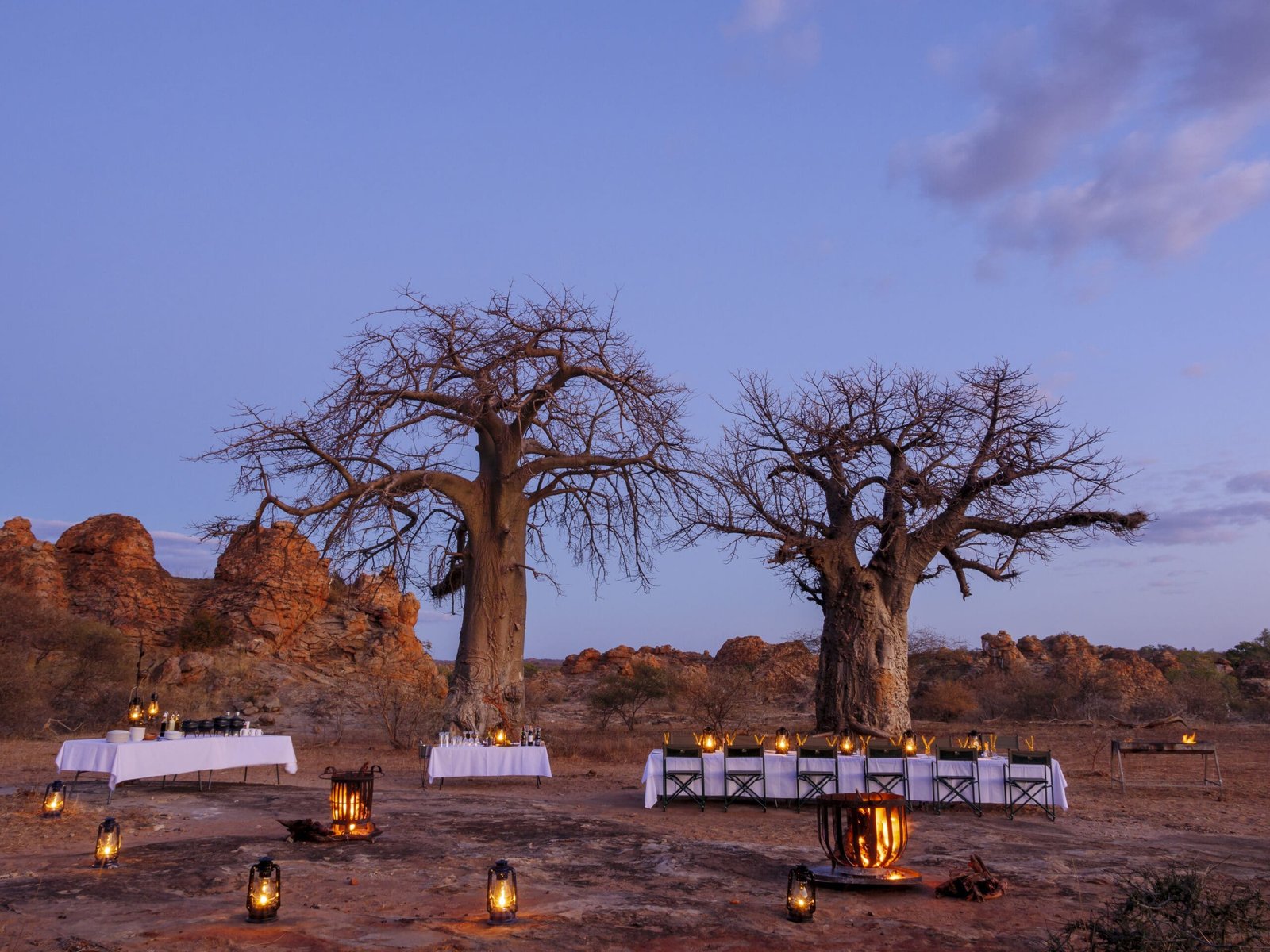
It is not simply about seeing wildlife. It is about remembering your own wildness: the confidence, clarity and purpose that often get lost in everyday life. Explore the Botswana GLO Trip.
The Final Word
Botswana has a way of changing you. The silence, the sunsets and the sense of space linger long after you have left. Decide first which Botswana you want, the dry-season drama or the green-season quiet, and the rest of the plan follows.
To dive deeper into the emotion and atmosphere of the destination, read our companion piece, Luxury Botswana Safari: Africa’s Most Exclusive Adventure. First safari or a return visit, Botswana will remind you of something timeless: the wild does not only exist out there. It lives within you too.
This Where to Go guide is compiled from official entry rules, the U.S. Centers for Disease Control and Prevention’s Botswana advice, climate records for Maun and published light-aircraft baggage policies, checked in early November 2026. Entry and health rules can change, so confirm them before you travel. It is not a firsthand hotel review.