Venice punishes the unplanned weekend. Get it wrong and you will spend 48 hours in a queue between two overpriced meals; get it right and no city on earth gives back more per hour. This is our tested running order, refined across a decade of visits.
Stay
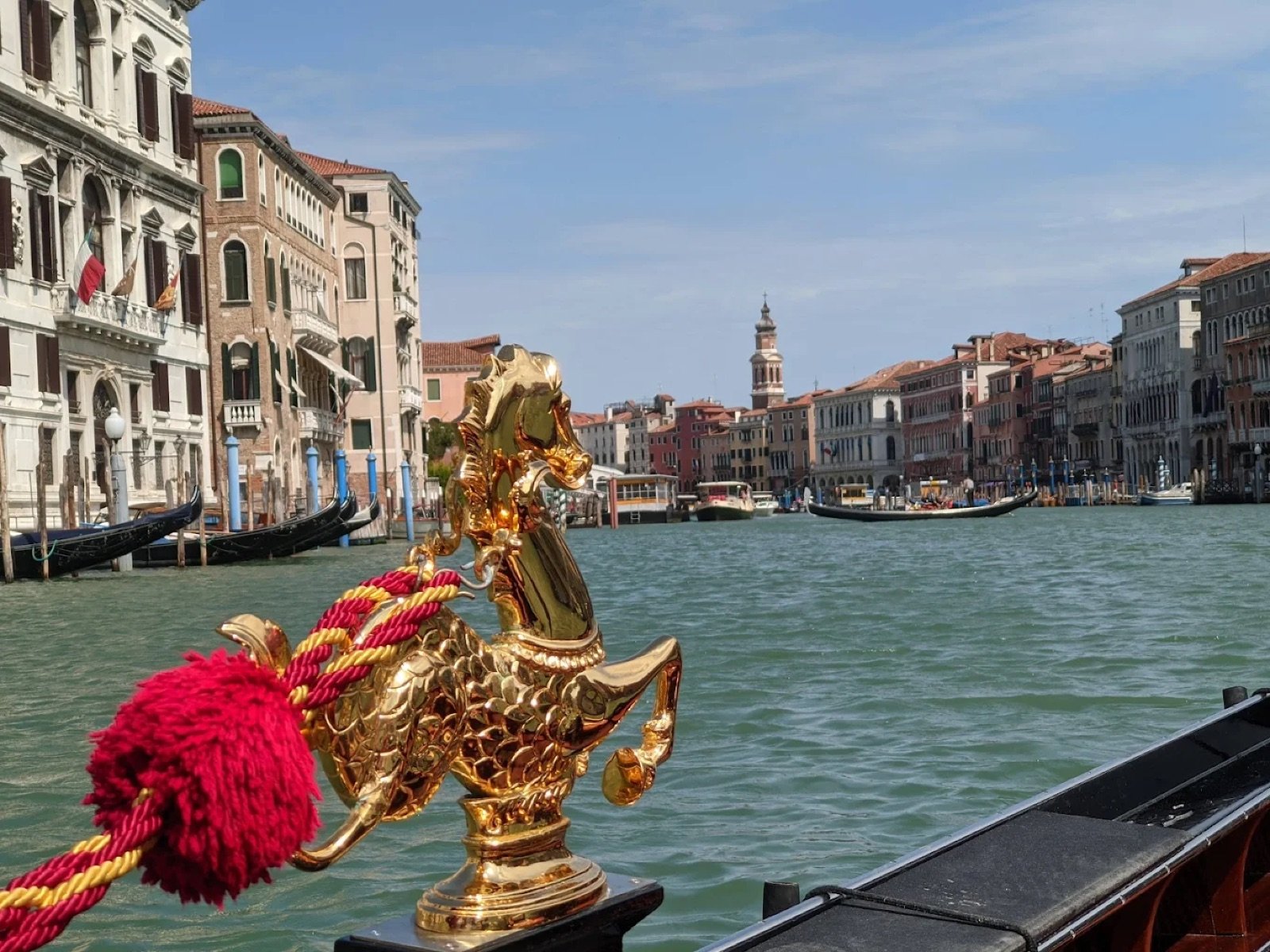
Base yourself on the San Polo side of the Grand Canal, close enough to walk everywhere and far enough from San Marco to sleep. The unbeatable option is Aman Venice, 24 rooms in the frescoed Palazzo Papadopoli with two private gardens and its own water gate; arriving by boat at your hotel’s landing stage is the single best introduction the city offers. If the budget will not stretch, look for small palazzo stays in Dorsoduro and check the room faces a canal rather than an air shaft. Wherever you book, insist on a water arrival. The train station vaporetto scrum is no way to meet Venice.
Eat
Skip any restaurant with photographs of its food and eat the way the city does: standing up, early, and often. The bacari of San Polo and Cannaregio serve cicchetti, small plates of creamed cod, fried artichokes and marinated sardines, with a glass of house wine for a few euros; a moving dinner across four of them beats most sit-down meals in the city. For the one proper table of the weekend, book Antiche Carampane a week ahead and order whatever came off the lagoon that morning. Coffee is taken at the counter, spritz is drunk before dinner not after, and anywhere on Piazza San Marco charges you rent for the orchestra.
Build Saturday around the Rialto market, which still opens at seven and still supplies half the city’s kitchens. Watch what the local shoppers buy, then find it on a menu that evening; in June that means soft-shell crabs and the first of the season’s tiny artichokes from Sant’Erasmo. The market is also the best free spectacle in Venice, and it is finished by noon.
See
Do the Basilica di San Marco at opening time with a pre-booked slot, then leave the square before the day-trippers land. The city’s real treasures hide in working churches: the Frari for Titian’s Assumption, San Rocco next door for fifty Tintorettos on walls he painted for, both blissfully undervisited at lunchtime. Give the afternoon to Dorsoduro, walking from the Accademia’s Bellinis to Punta della Dogana’s contemporary collection in twenty minutes, with the Zattere promenade and a gelato at the end. If the Biennale is on, and in 2026 it is, the Arsenale alone justifies half a day.
For the view that organises the whole city in your head, skip the San Marco campanile queue and take the boat one stop to San Giorgio Maggiore. Its bell tower has a lift, no crowds, and the only panorama that includes the campanile you would otherwise be standing in. Palladio’s white church beneath it is the bonus.
The running order
Friday: arrive by water, cicchetti crawl, early night. Saturday: San Marco at 8am, Rialto market at 9, Frari and San Rocco before lunch, Dorsoduro until the light goes, Antiche Carampane at 8pm. Sunday: vaporetto number 1 down the full Grand Canal at 7am while the city is empty, then Giudecca for a long waterfront lunch looking back at everything you have just done, then the airport boat. Do not attempt Murano, Burano and Torcello in the same 48 hours; the islands are a separate trip pretending to be an excursion.
When to go
June brings long evenings and swimmable light but real crowds from mid-morning; September is the connoisseur’s month; winter fog is the city’s best-kept secret if you pack for it. Whenever you come, the rule is the same: everything worth doing in Venice happens before 10am and after 6pm. The hours in between belong to everyone else.