

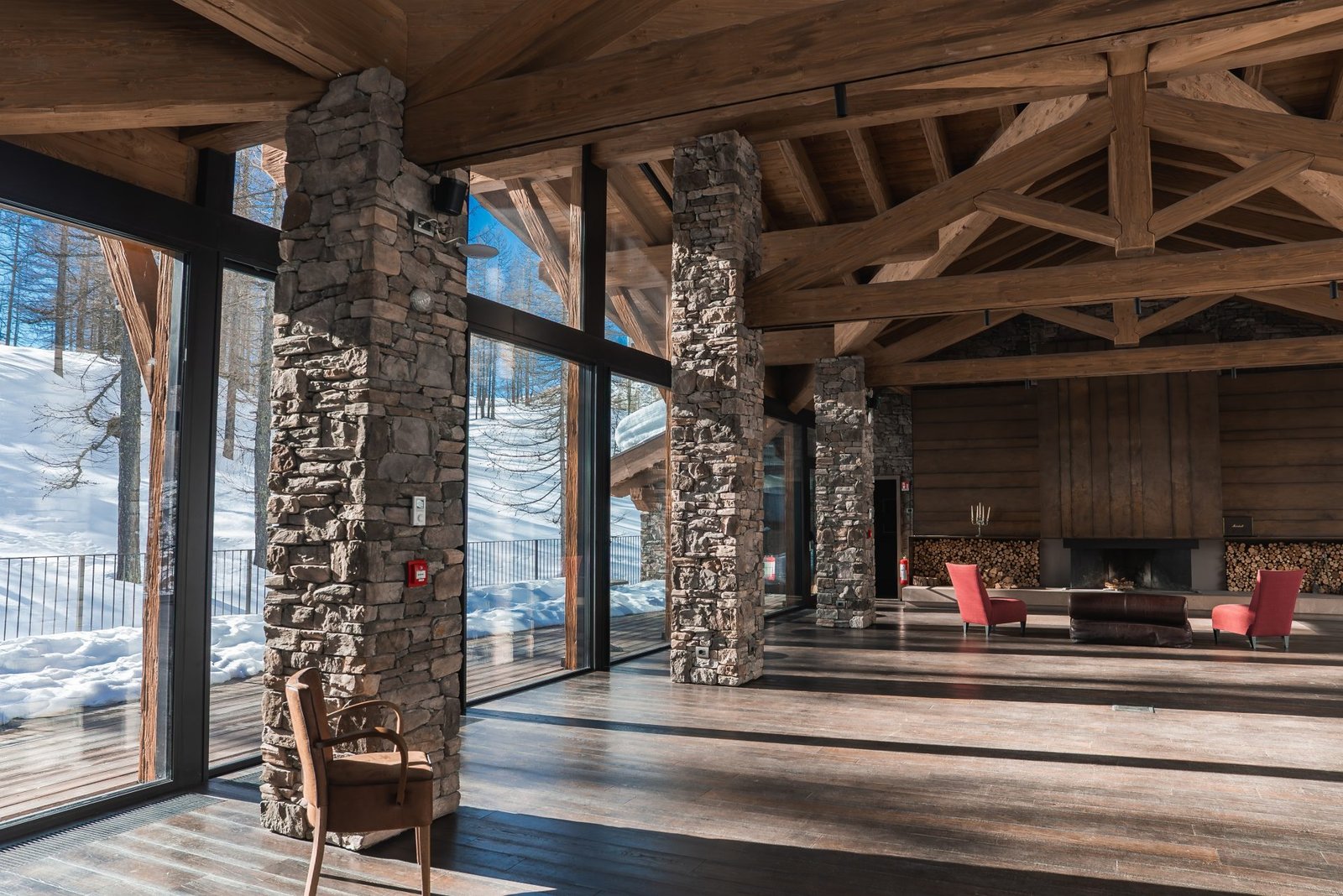
At check-in at Hoshinoya Kyoto, a member of staff asks for your phone. Not your passport first — your phone. It goes into a lacquered box, the kind you’d expect to hold jewelry, and it doesn’t come back out until you leave. There’s no lecture about it, no wellness pamphlet pressed into your hand. Just a box, a small ceremony, and then you’re shown to a room with a view of the Oi River and nothing pulling your attention away from it.
Chhavi has stayed in a lot of hotels that talk about disconnection. Hoshinoya is one of the few that actually built a box for it.
The luxury hotels digital detox trend refers to resorts that now offer, or actively require, guests to hand over phones and laptops at arrival — trading connectivity for structured stillness, in properties from Kyoto to the Riviera Maya. It’s spreading fast, and it raises a fair question: is this genuine hospitality innovation, or an expensive way of selling people something a $20 lockbox at home could do for free?
The shift: attention has become the amenity
For decades, luxury hospitality competed on access — better Wi-Fi, more outlets, a smart TV in every room, a concierge one text away. That race is largely over. Every hotel has fast Wi-Fi now. It stopped being a differentiator around the same time it became invisible, like air conditioning.
So the amenity arms race did something interesting: it reversed. The scarcest resource for a wealthy guest in 2026 isn’t a better shower or a bigger closet. It’s an uninterrupted hour. Hotels noticed, and started selling silence back to people who’d spent a decade paying, unknowingly, to have it taken away.
The evidence isn’t just anecdotal. About 27% of adults planning to travel say they intend to reduce social media use specifically during their trip, per Hilton’s most recent travel trends research. Plum Guide, the luxury rental platform, reported a 17% jump in searches for unplugged, tech-light properties. And underneath both numbers sits a more uncomfortable one: 62% of adults admit they hate how much time they spend on their phones. Hotels didn’t invent the discomfort. They just figured out how to charge for relief from it.
Evidence and examples: who’s actually doing this
Grand Velas Resorts, across its Riviera Maya and Riviera Nayarit properties, has built out one of the more thoughtful versions of this. Guests are met on arrival by a dedicated Reset Concierge, whose entire job is helping a guest choose their own level of disconnection — a few phone-free hours by the pool, phone-free meals, or full surrender at check-in, devices going into a designated Device Lockbox until the guest asks for them back. What stands out about this model is the choice. Nobody is forced into stillness they didn’t ask for.
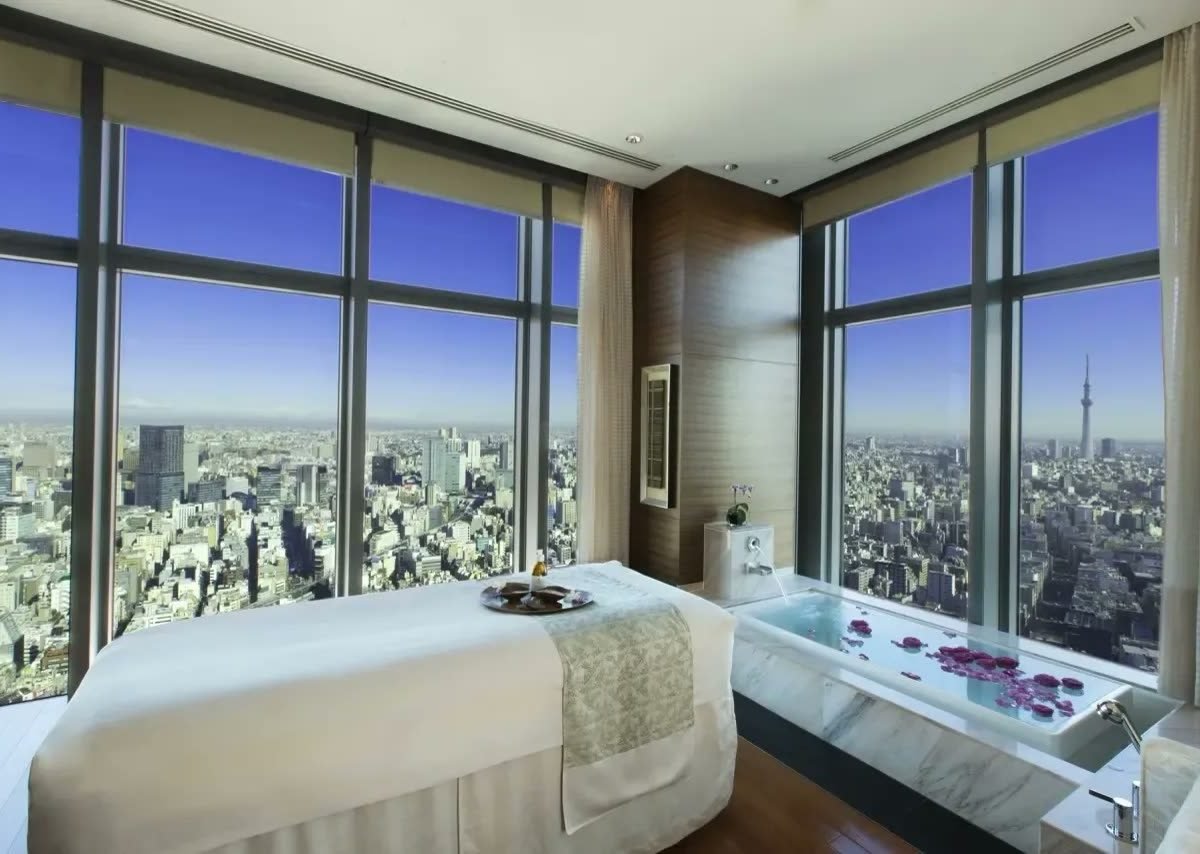
Hoshinoya Kyoto goes further, and further is the point. The lacquered box isn’t optional theater — it’s the house philosophy. The property was built quiet before “quiet” was a marketing category, and the phone collection is one piece of a design language that includes low lighting, minimal signage, and rooms with almost nothing in them competing for your eye. It works because the whole property is built around the absence, not just the checkpoint at the front desk.
Both approaches are answering the same question differently: Grand Velas offers a menu. Hoshinoya makes a decision for you and trusts you to thank it later.
The honest read: some of this is real, some of it is theater
Here’s the part of the story that gets skipped in most coverage of this trend, and it matters.
Locking a phone in a box does not, by itself, produce presence. It produces the absence of a phone. Those are related, but they are not the same thing, and the gap between them is exactly where a lot of marketing is currently living. A resort that takes your phone and changes nothing else about the pace of your stay — the schedule is still packed, the staff still checks in every twenty minutes, the property is still designed to be photographed rather than felt — hasn’t built a digital detox. It’s built a photo opportunity with your phone conveniently out of the shot.
The industry has developed language for this that’s worth naming and gently interrogating. “Hushpitality.” “Nervous-system care.” These terms are showing up in luxury travel forecasts with increasing frequency, and space and silence are now being marketed as status markers the way a private plunge pool used to be. Sometimes that’s earned — Hoshinoya’s architecture genuinely does less so you can feel more. Sometimes it’s repackaging: the same crowded, over-programmed resort experience, minus a phone, plus a price increase, with “wellness” doing the work that used to require an actual redesign.
And an honest limit deserves saying plainly: this trend isn’t for everyone, and it shouldn’t be sold as though it is. A parent traveling with a sick relative at home, a founder mid-crisis, anyone whose peace of mind depends on being reachable — locking away a phone doesn’t calm that person, it removes their safety net. A guest with real anxiety around disconnection can find a mandatory lockbox less like stillness and more like a small trap. The best properties, like Grand Velas, understand this and build in choice. The ones worth being skeptical of are the ones that don’t.
What this means for how you book
If you’re drawn to this trend, ask a more precise question than “does this hotel take your phone.” Ask what the rest of the stay is built around. Is the schedule actually spacious, or just marketed as spacious? Is there a choice in how much you disconnect, or is the box mandatory theater? Does the property’s design — lighting, room layout, the absence of screens elsewhere — support the disconnection, or is the phone box the entire strategy?
A phone in a lacquered box is a nice ritual. It is not, on its own, a wellness program. The properties getting this right treat the box as one piece of a much larger decision about how a guest’s time is structured. The properties getting it wrong are betting that the ritual alone will make you feel something the rest of the stay was never designed to deliver.
Chhavi travels for work more than most people would want to, and she’s had the version of this that worked — the Kyoto kind, where the absence of her phone stopped feeling like a deprivation by day two and started feeling like the actual point. She’s also had the version that didn’t, where a resort took her phone at 3pm and by 6pm she was watching the clock, waiting for dinner, waiting for the ritual to be over so she could have it back. The difference wasn’t the box. It was everything the hotel did, or didn’t do, around it.
Attention, it turns out, is the amenity now. The hotels worth paying for are the ones that understood that before they built the box — not the ones that bought a lacquered box and called it understanding.
FAQs
What is the luxury hotels digital detox trend? It’s a growing hospitality trend where high-end resorts offer or require guests to surrender phones and laptops at check-in, replacing constant connectivity with structured, tech-free time.
Which hotels lock up guests’ phones? Hoshinoya Kyoto collects phones and laptops at check-in and stores them until departure. Grand Velas Resorts, in Riviera Maya and Riviera Nayarit, offers a Device Lockbox through a dedicated Reset Concierge who helps guests choose their level of disconnection.
Is the digital detox trend in hotels genuine or just marketing? Both exist. Some properties build their entire design language — pacing, layout, lighting — around genuine disconnection. Others simply remove the phone while leaving an otherwise over-scheduled, over-photographed stay unchanged.
What percentage of travelers want to disconnect from social media on vacation? About 27% of adults planning to travel say they intend to reduce social media use specifically during their trip, according to recent Hilton travel trends research.
What is hushpitality? Hushpitality is an emerging term in luxury travel for hospitality built around silence, space, and reduced stimulation, marketed as a wellness and status feature. It’s worth some skepticism — it’s a real design philosophy at some properties and a marketing veneer at others.
Is a phone-free hotel stay right for everyone? No. Travelers who need to stay reachable — for family, health, or work reasons — or who feel heightened anxiety around disconnection may find a mandatory lockbox counterproductive. The best properties offer a choice rather than requiring full surrender.
Why are luxury hotels focusing on digital detox now? Fast Wi-Fi and connectivity stopped being differentiators once they became standard everywhere. Hotels have shifted toward selling the scarcest resource left for a wealthy traveler: uninterrupted attention.