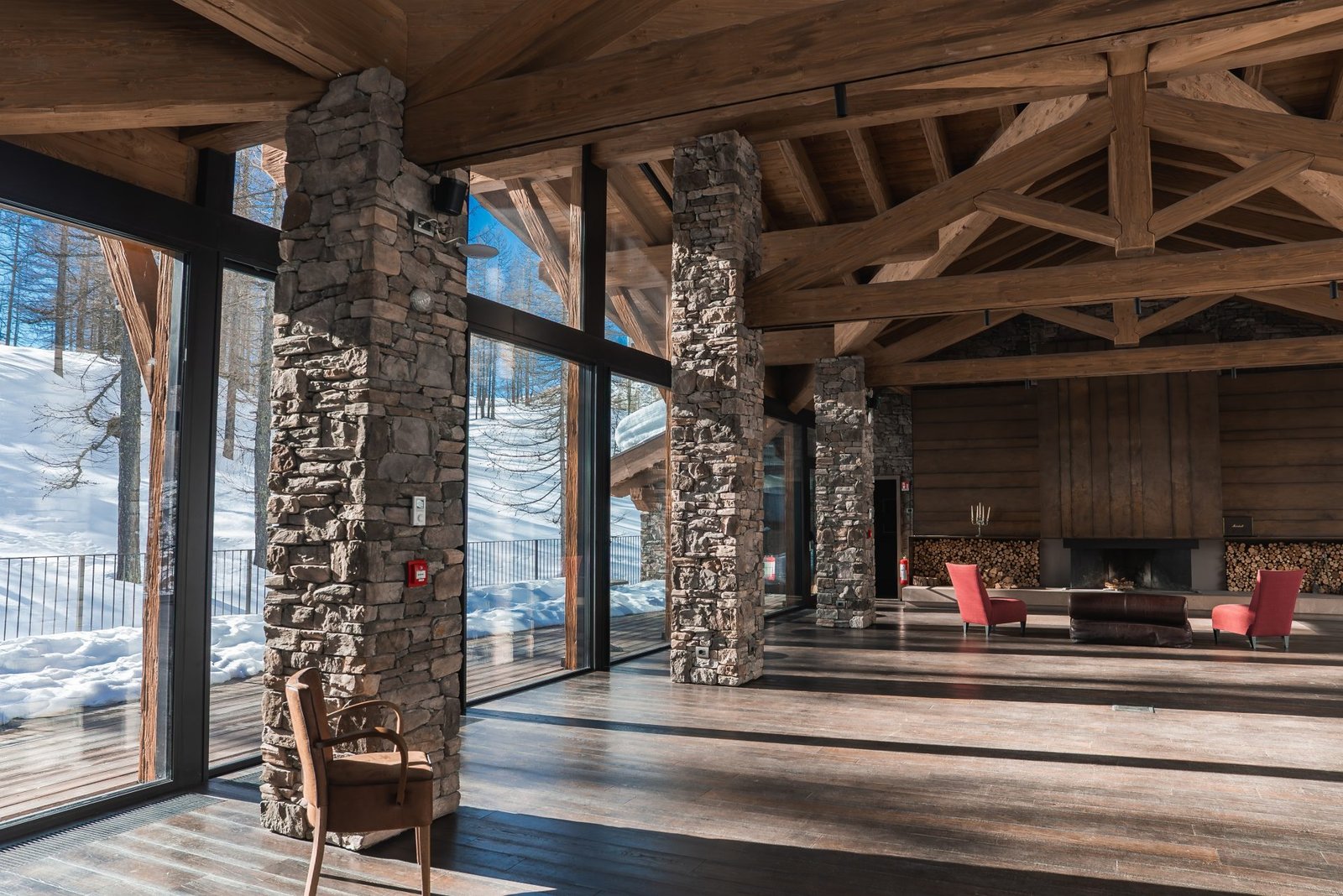
Rustic alpine chalet lounge with stone columns, fire and mountain view

Amankora Gangtey Review

The smallest Amankora lodge is the one we would plan an entire Bhutan winter around.

By The Editors

Overview

Gangtey is the Amankora lodge people underestimate when planning and rave about afterwards. With just eight suites on a wooded knoll, it is the smallest of Aman’s five Bhutan lodges, looking across the glacial bowl of the Phobjikha Valley towards Gangtey Goenpa, the region’s great Nyingma monastery. The setting does the heavy lifting: no fences, no neighbours, just wetland, forest and the occasional farmhouse trailing smoke.

From late October to around March the valley hosts its famous residents, the black-necked cranes that migrate over the Himalayas from the Tibetan plateau and are treated by locals as sacred. Watching them wheel down onto the marsh from the lodge’s windows, or from the valley’s discreet observation hide, is one of the great wildlife moments in the Himalayas, and reason alone to time a Bhutan trip for winter.

The lodge itself is stone and timber outside, warm and minimal within: bukhari stoves, deep soaking tubs, and suites kept identical so nobody games the booking. Days fill easily with the monastery, the nature trail across the valley floor, farmhouse visits and a hot stone bath as the temperature drops. Nights are cold, dark and absolutely silent. Pack layers and lean in.
Gangtey is the Amankora lodge people underestimate when planning and rave about afterwards.

— Luxury Hotel Reviews

Why We Love It

Hushed and elemental. Eight suites means you might see two other couples at dinner and nobody at all by day. The valley is one of Bhutan's most protected landscapes, its power lines were buried for the cranes, and the lodge takes its cues from that restraint. Evenings revolve around the fire, whisky and crane talk with the guides. It feels closer to a beautiful research station than a resort, in the best way.

Rooms & Suites

Eight identical suites in the familiar Amankora mould: a king bed under handwoven throws, a wood-burning bukhari stove, a window seat facing the valley, and a bathroom arranged around a deep soaking tub. Mornings are cold enough that staff timing on the stove matters, and they get it right. There is no spa wing or gym here, so the suite itself is the retreat. Request the valley side for crane views.

Dining

The dining room is tiny, with a short menu that changes daily: Bhutanese red rice, buckwheat noodles, momos and river trout, plus gentler Western dishes. Given that the nearest alternative restaurant is a bumpy drive away, it is fortunate the kitchen is one of the circuit's best. Ask at least once for ara, the local rice spirit, served warm with butter on a cold night.

Spa & Wellness

There is no formal spa pavilion at Gangtey, and the lodge is honest about it. What you get instead is the circuit's most atmospheric hot stone bath, in a farmhouse-style shed across the meadow, plus in-suite massages using local herbs. After a day walking the frozen valley floor it is all the wellness you need. Guests wanting full spa menus should save treatments for Thimphu or Punakha.

Location

Walk the Gangtey Nature Trail across the valley floor to the monastery rather than driving, and time it for late afternoon light. In crane season the Black-Necked Crane Visitor Centre's spotting scopes are worth an hour.

The Verdict

Wildlife-minded travellers, photographers and anyone who wants Bhutan at its emptiest. Winter guests get the cranes; spring brings rhododendrons and mud. It is the wrong lodge for families needing entertainment or for guests who measure luxury in facilities, and exactly the right one for people who think a monastery, a marsh and eight rooms sounds like perfection.