Elegant hotel suite living room with a warm lamp-lit evening skyline

Amankora Bumthang Review

The far, quiet end of the Amankora circuit, and the lodge that feels most like old Bhutan.

By The Editors

Overview

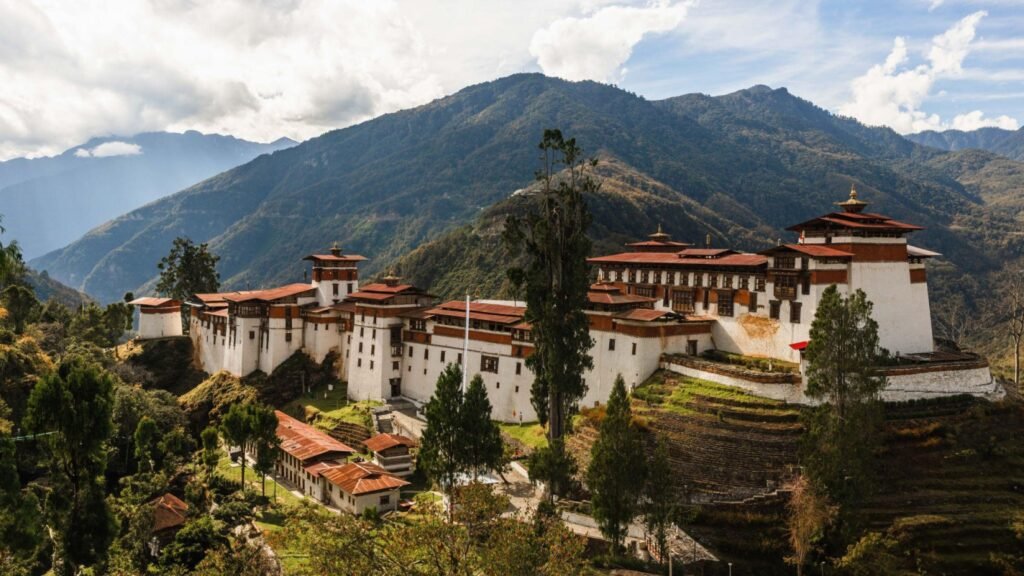
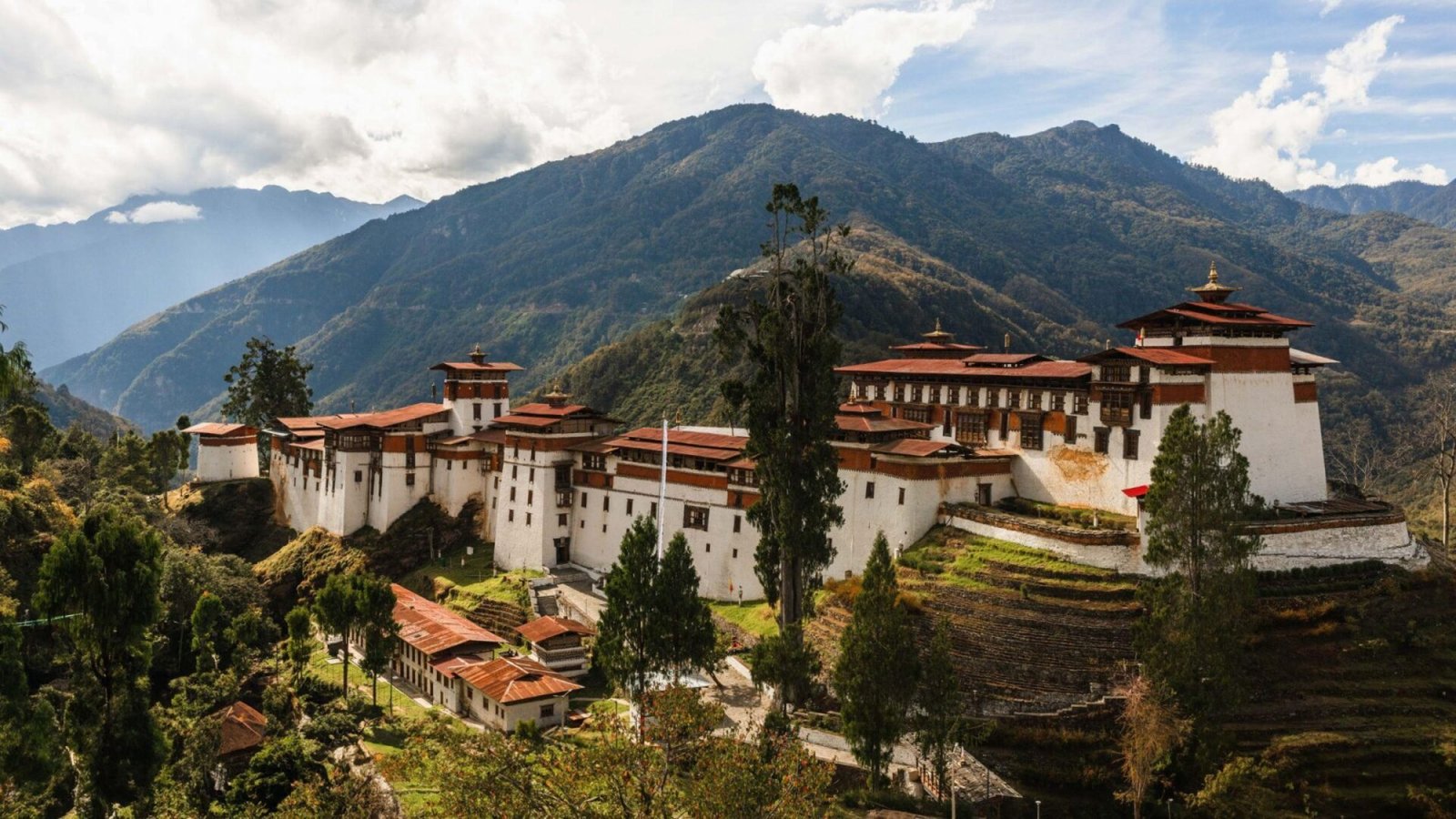
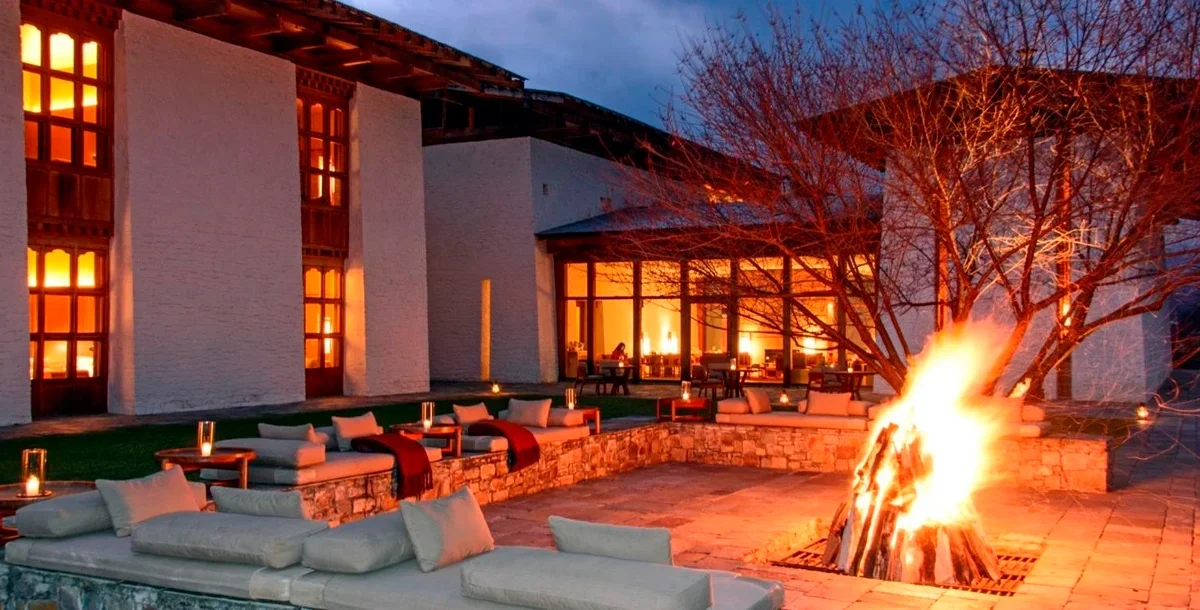
Bumthang is where the Amankora circuit runs out of road, and that is precisely its value. The easternmost of Aman’s five Bhutan lodges sits in Jakar beside the grounds of Wangdichholing Palace, birthplace of Bhutan’s first king, among the apple orchards and blue pine of the valley Bhutanese regard as their most sacred. Guests arrive after long mountain drives or the short hop to Bumthang’s airstrip, and the reward is the deepest quiet of the whole journey.

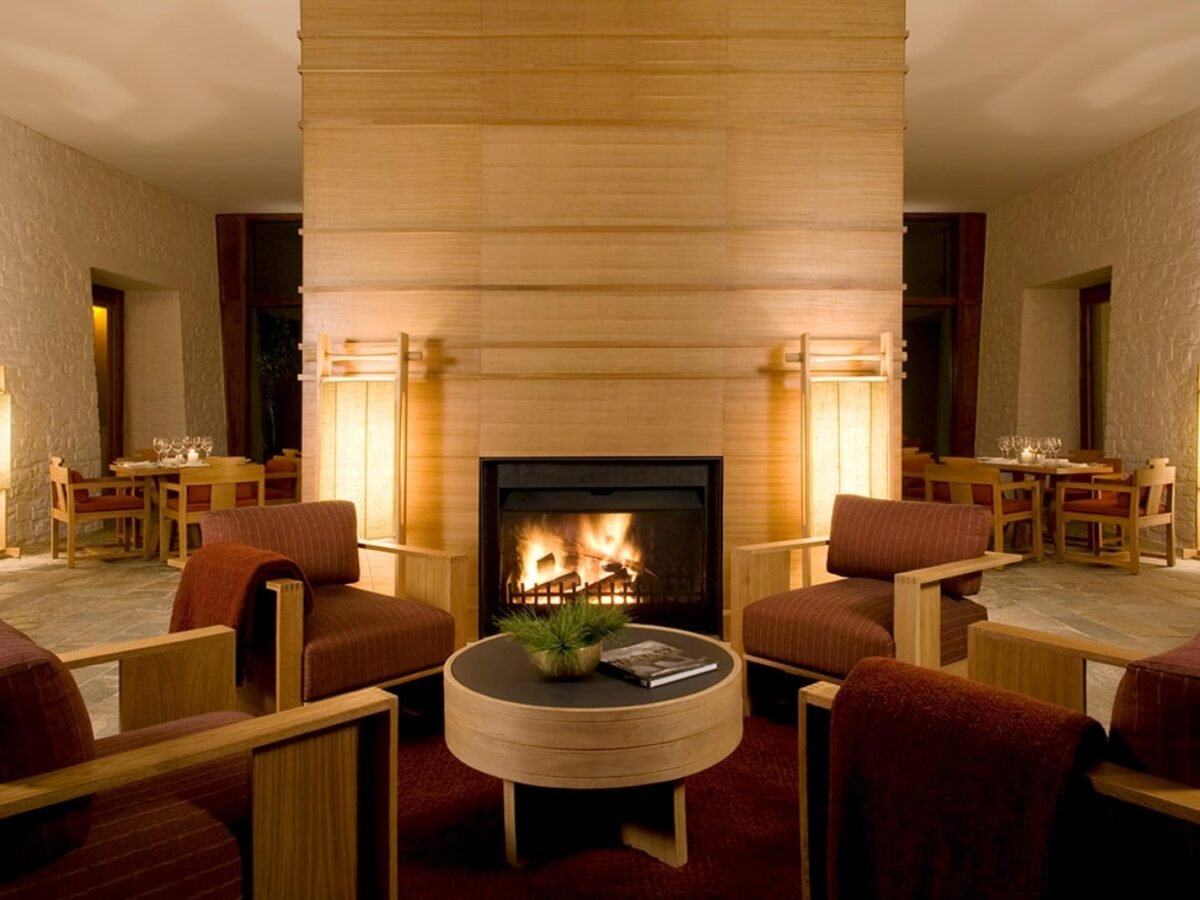
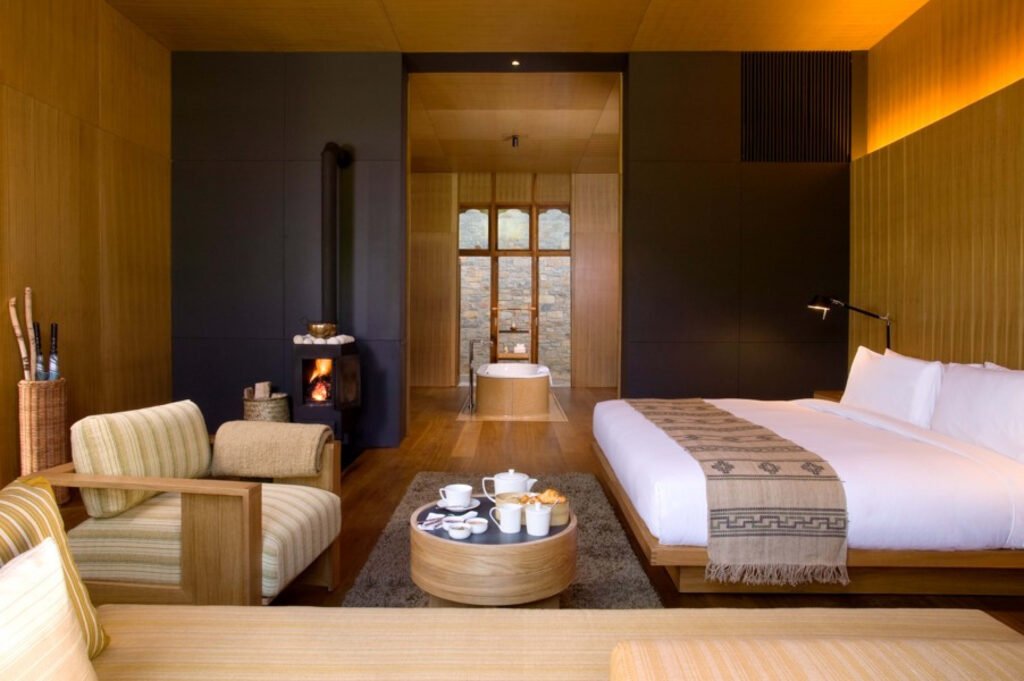
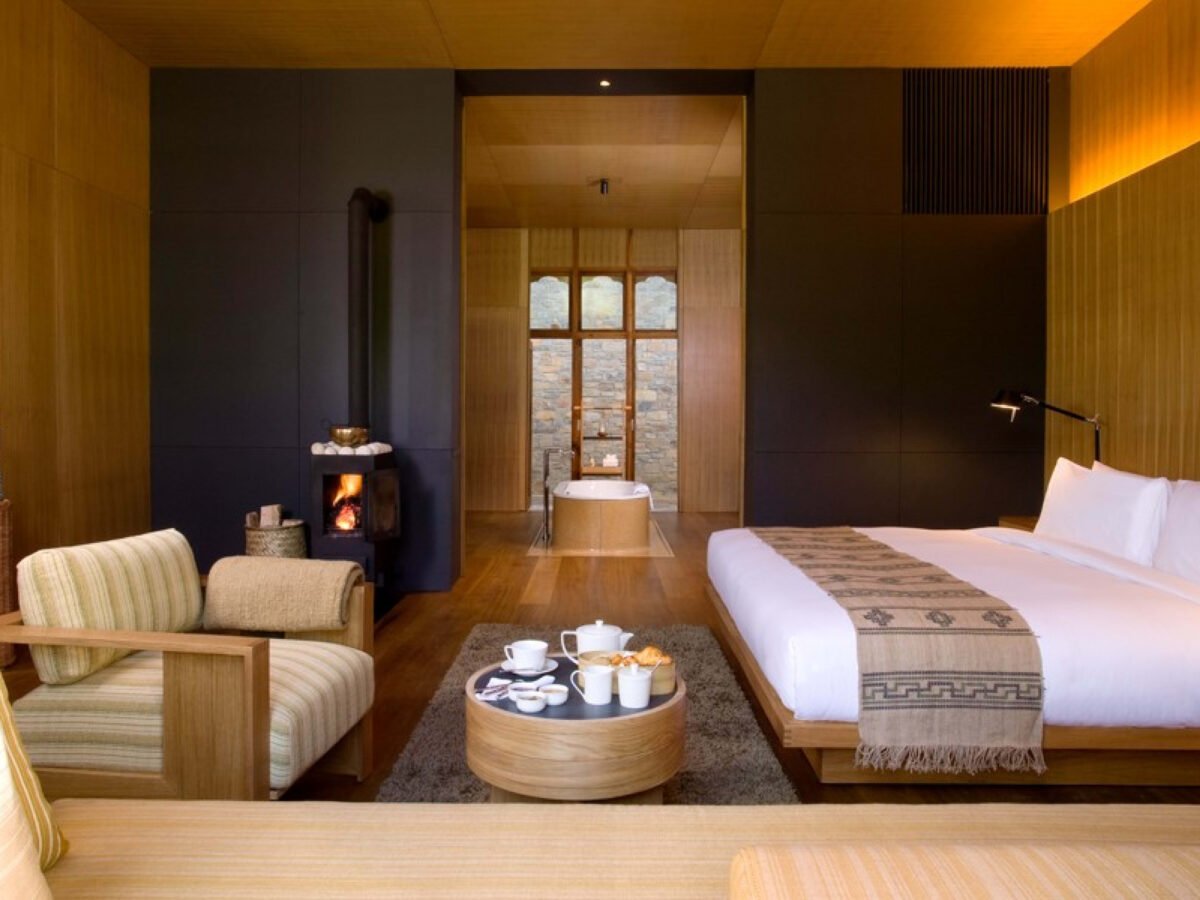
The 16 suites follow the Amankora template, and it remains a good one: a king bed under handwoven textiles, a bukhari wood stove lit before you return from dinner, a window seat onto the trees and a deep soaking tub. The dining room keeps its menu short and local, red rice, river trout, buckwheat pancakes and a properly fiery ema datshi, with herbal infusions gathered from the valley.

Days here belong to the temples. Jambay Lhakhang and Kurjey Lhakhang, two of Bhutan’s holiest sites, are minutes away, and Tamshing’s ancient murals repay a slow morning; the lodge’s guides time visits between the tour groups. Walk the valley floor in the afternoon, take the traditional hot stone bath before dinner, and accept that evenings mean the fire, a book and an early night. That is not a shortcoming. It is the product.
Bumthang is where the Amankora circuit runs out of road, and that is precisely its value.

— Luxury Hotel Reviews

Why We Love It

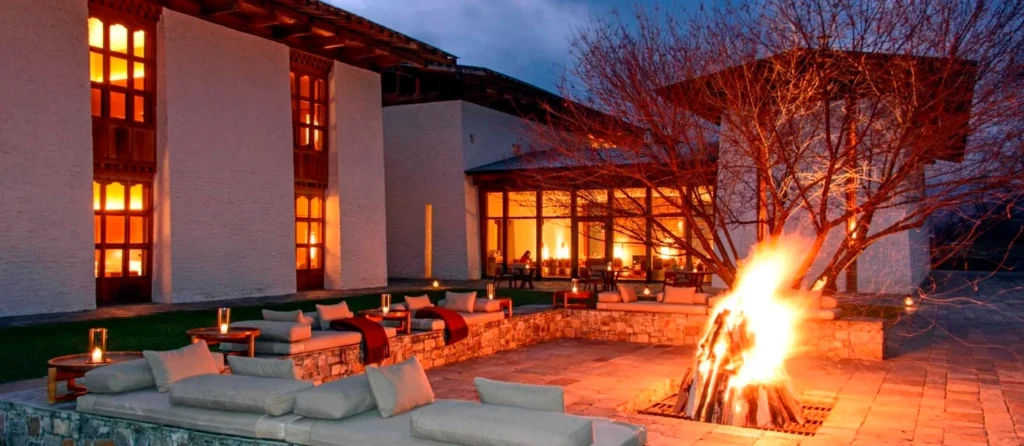
Monastic in the best sense. Sixteen suites, no televisions shouting for attention, staff who remember how you take your tea by the second morning, and a valley outside that empties of visitors by late afternoon. Most guests arrive partway through the multi-lodge Amankora journey, so there is a pleasant, low-key camaraderie by the fire in the evenings. Silence is treated as an amenity here, not an absence.

Rooms & Suites

All 16 suites are essentially identical, which spares you upgrade anxiety: a king bed dressed in Bhutanese weaves, a bukhari stove that staff light with theatrical timing, window seats onto pine and orchard, and a bathroom built around a deep soaking tub. There is no minibar clutter, and the heating copes with Bumthang's sharp nights. Ask for a suite on the palace side for the best morning light.

Dining

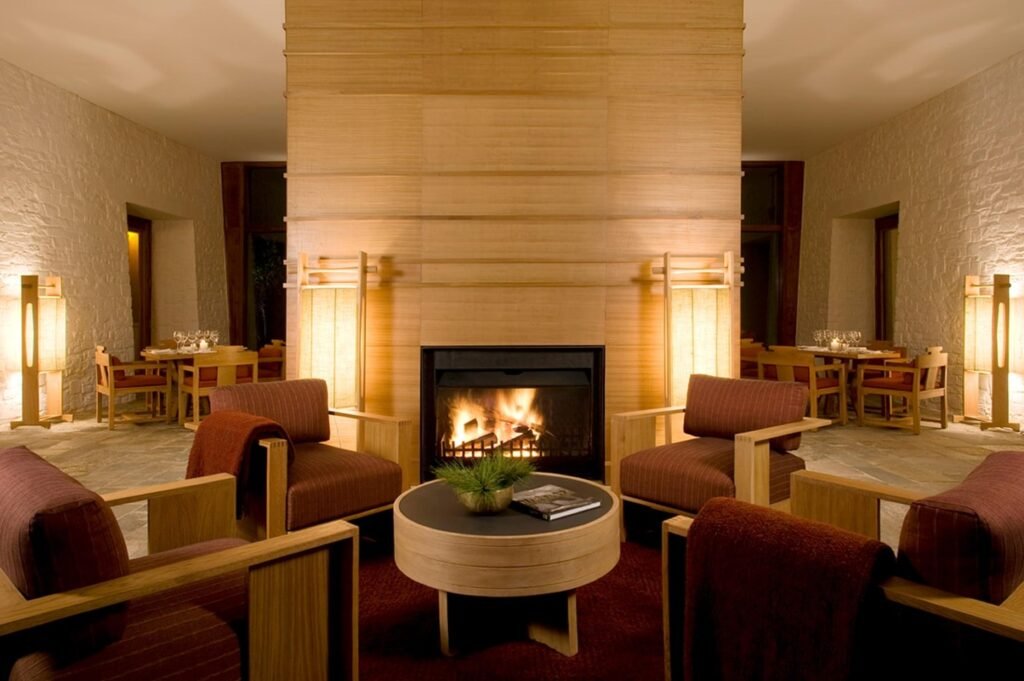
Yes, mostly because there is nowhere else to go, and happily the kitchen knows it. Menus rotate through Bhutanese staples done properly, red rice, momos, river trout and ema datshi calibrated to your chilli tolerance, alongside gentler international dishes for circuit-weary stomachs. Private dinners can be laid in the courtyard. The herbal teas after a cold temple morning are quietly excellent.

Spa & Wellness

Small and traditional rather than a destination spa. The signature is the hot stone bath, river stones heated over a fire and dropped hissing into a wooden tub strewn with artemisia, best booked for dusk. Massages use local herbs and oils and are strong on jet-lagged shoulders. Yoga and meditation can be arranged privately. Treat it as ritual rather than pampering and it lands beautifully.

Location

Time your stay for a festival at Jambay Lhakhang if you can, and give a full morning to Kurjey Lhakhang's three temples. The Swiss-founded cheese and beer farm outside Jakar makes an oddly perfect afternoon detour.

The Verdict

Travellers finishing the full Amankora loop, culture-first guests who will happily give mornings to monasteries, and anyone for whom remoteness is the point. It suits couples and solo travellers better than children, and the valley's pace will frustrate anyone expecting resort facilities. If you only have time for two lodges, pair this one with Punakha for the widest contrast.