
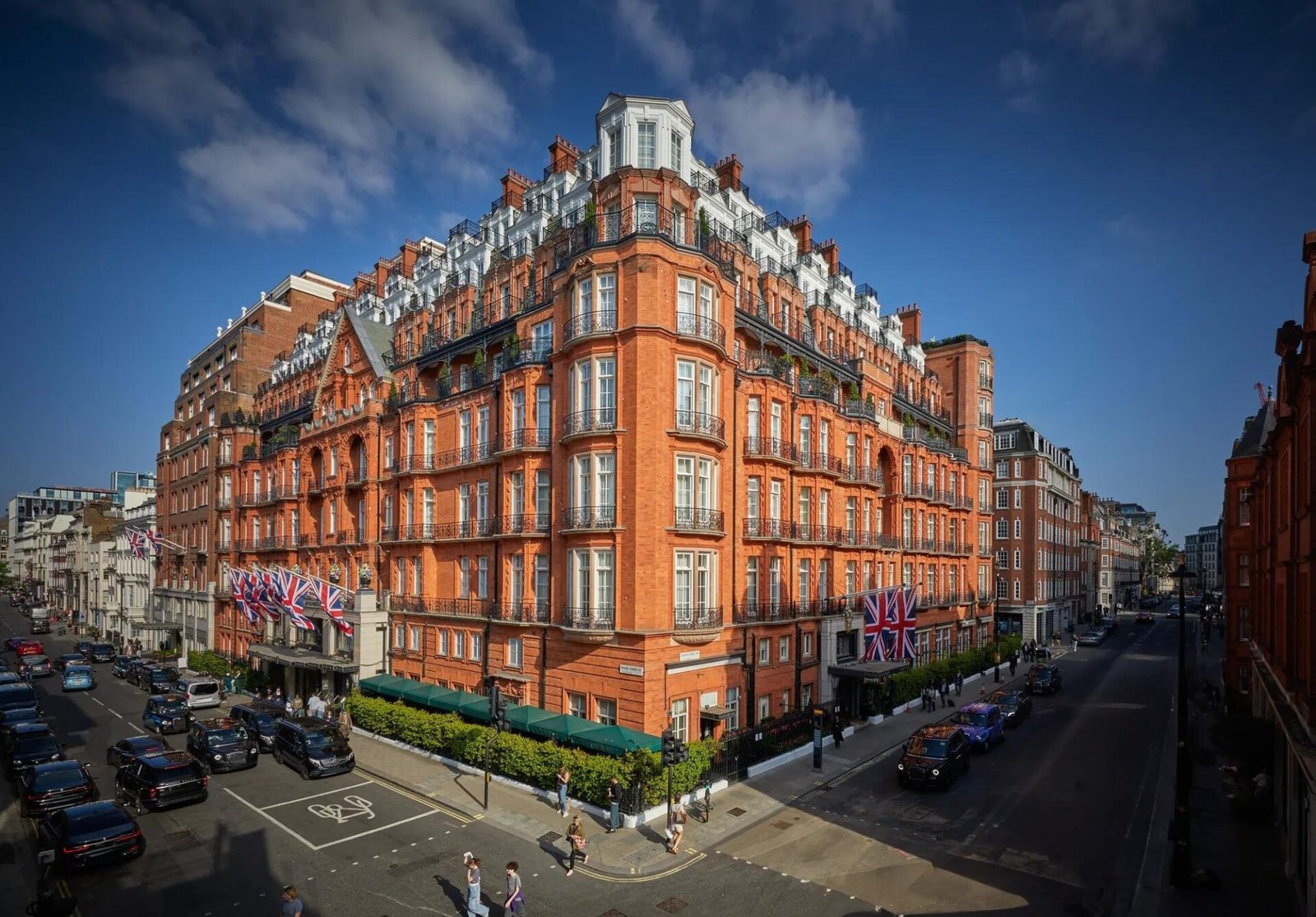
For more than two centuries, Claridge’s has been synonymous with royalty, Hollywood glamour, and London’s most exclusive social circles. But with a new generation of luxury hotels transforming the capital, does this Mayfair institution still deserve its legendary reputation?
There are luxury hotels in London, and then there’s Claridge’s.
For generations, this Mayfair landmark has been the address of choice for royalty, Hollywood icons, and travelers who appreciate a certain kind of old-world glamour. Its distinctive black-and-white marble floors, Art Deco interiors, and famous afternoon tea have made it one of the most recognizable hotels in the world.
But London’s luxury hotel scene has changed dramatically. With the arrival of spectacular properties like Raffles London at The OWO and The Peninsula London, historic hotels can no longer rely on reputation alone.
So what keeps Claridge’s relevant more than 200 years after its story began? The answer lies in how the hotel has preserved its extraordinary heritage while quietly reinventing what modern luxury looks like.
A London Hotel With a History Unlike Any Other
Its origins date back to 1812, when James Mivart established a hotel on Brook Street. By the mid-19th century, the Claridge family had helped transform the address into one of London’s most prestigious establishments.
Queen Victoria and Prince Albert visited, establishing a royal association that would become part of the hotel’s identity. Over the following decades, European aristocracy, political leaders, and Hollywood stars followed.
One of the hotel’s most extraordinary stories unfolded during the Second World War. At Winston Churchill’s request, a suite was temporarily declared Yugoslav territory so that Crown Prince Alexander II could be born on what was considered his homeland’s soil.
Its celebrity history is equally remarkable. Audrey Hepburn, Cary Grant, Katharine Hepburn, and Bing Crosby are among the famous names associated with Claridge’s. Decades later, Kate Moss chose the hotel for her 30th birthday celebrations.
But Claridge’s appeal has never been solely about the people who stayed there. It is also about the discretion that made those guests comfortable returning. In an age when luxury is increasingly documented and shared, there is something compelling about a hotel whose reputation was built long before social media existed.
Inside Claridge’s: Where Art Deco Glamour Meets Modern Luxury

Claridge’s celebrated Foyer features polished monochrome flooring, mirrored Art Deco detailing, and a striking glass sculpture by Dale Chihuly suspended above the room.
Although Claridge’s has Victorian roots, much of its visual identity comes from the Art Deco movement of the 1920s and 1930s. Geometric detailing, rich materials, and carefully balanced proportions give the hotel its distinctive character.
Yet this is not a property frozen in time. Over the years, Claridge’s has commissioned leading architects and designers to reinterpret its interiors while preserving the elements that make it recognizable, so traditional English grandeur and contemporary design now exist side by side.
The Rooms and Suites: No Two Stays Need Feel the Same

One of Claridge’s defining characteristics is the individuality of its accommodations. Unlike contemporary hotels built around a single design concept, it offers rooms and suites influenced by different periods and designers.
Some embrace classic Victorian elegance, with decorative detailing, rich textiles, and traditional furnishings. Others draw more heavily on the hotel’s Art Deco heritage, while contemporary accommodations offer a more restrained interpretation of luxury.
The distinction matters because choosing a room at Claridge’s is not simply about selecting a size or view. It is also about choosing an aesthetic.
The Signature Suites
At the highest end of the accommodation collection, Claridge’s offers suites that feel closer to private London residences than conventional hotel rooms.
The Royal Suite, for example, is a two-bedroom residence measuring approximately 2,422 square feet. Designed by Michelle Wu, it combines European grandeur with references to Queen Elizabeth II’s 1953 coronation.
Its details include hand-painted de Gournay wall coverings, a private dining room, and an original grand piano.
Other signature accommodations introduce a more contemporary approach to design, including the hotel’s Penthouse, created by French designer Rémi Tessier.
Select signature suites also include personalized services such as dedicated butler assistance and additional privileges.
What to consider when booking: Claridge’s varied design styles mean it is worth reviewing individual room categories rather than assuming every accommodation shares the same look. Travelers with specific preferences for modern interiors, separate living spaces, or terraces should confirm those details before booking.
Afternoon Tea at Claridge’s: Is It Really Worth Experiencing?
For many visitors, afternoon tea is their first introduction to Claridge’s. Served in The Foyer & Reading Room, beneath the hotel’s famous Chihuly installation, the experience has become one of London’s most recognizable dining traditions.
Claridge’s has been serving afternoon tea for more than 120 years, and its approach remains rooted in the classic British ritual.
Expect delicate finger sandwiches, freshly baked scones, seasonal pastries, and an extensive selection of teas, presented on the hotel’s signature green-and-white striped china.
Afternoon tea is available throughout London, including at several outstanding five-star hotels. What sets Claridge’s apart is the setting: the Art Deco surroundings, grand piano, and formal presentation create a sense of ceremony that feels increasingly rare.
It is also a way to experience one of London’s most celebrated hotels without booking an overnight stay.
Insider tip: Reserve well in advance, particularly during the festive season, when the hotel’s annual designer Christmas tree draws additional attention.
Dining at Claridge’s: Beyond the Famous Afternoon Tea
Although afternoon tea receives much of the attention, Claridge’s dining scene extends well beyond The Foyer.
Claridge’s Restaurant and Dante
Claridge’s Restaurant offers a more contemporary expression of the hotel’s dining philosophy, combining an elegant Art Deco setting with seasonal cuisine.
The hotel’s collaboration with New York cocktail institution Dante introduced another dimension to its hospitality offering.
Founded in Greenwich Village in 1915, Dante built an international reputation for its aperitivo culture and inventive approach to classic cocktails.
Its arrival brought a distinctly New York influence to Mayfair, and showed the hotel’s willingness to embrace contemporary concepts alongside its traditions.
The Painter’s Room and The Fumoir
For cocktails, Claridge’s offers several settings with distinct personalities.
The Painter’s Room draws inspiration from the artistic traditions of Provence and Italy, combining Art Deco influences with a more intimate atmosphere.
The Fumoir, meanwhile, offers a darker, more traditional setting inspired by the glamour of the 1930s.
Together, these spaces show different sides of the hotel, from formal afternoon rituals to intimate evening drinks.
The Extraordinary Spa Hidden Beneath Claridge’s
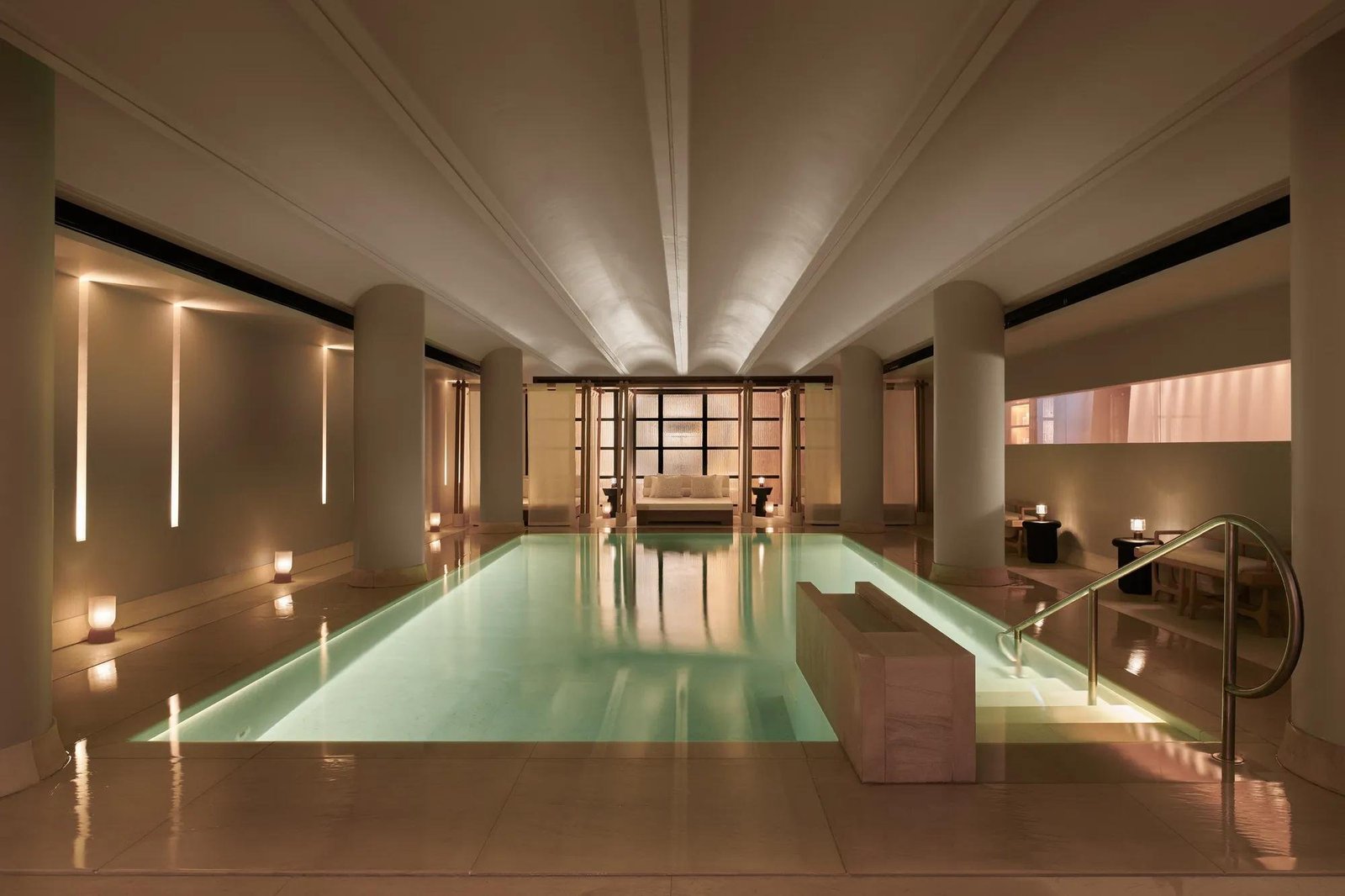
Perhaps the most surprising aspect of Claridge’s is something visitors would never guess from its historic Mayfair exterior.
Beneath the hotel lies an extensive underground development, created through an ambitious excavation project that added five basement levels.
The expansion allowed Claridge’s to introduce a substantial wellness offering while preserving the character of the building above. At its center is Claridge’s Spa. Drawing inspiration from Japanese wellness traditions, the spa combines restorative treatments, contemporary wellness practices, and a design philosophy centered on calm.
Its swimming pool offers a striking contrast to the activity of central London.
The project also marks an important shift in the hotel’s positioning. Today’s luxury travelers increasingly expect exceptional wellness facilities, even from historic city hotels. By creating an expansive spa beneath its existing property, Claridge’s has been able to respond to those expectations without sacrificing the architecture that made it famous.
Why Claridge’s Location in Mayfair Still Matters
Even in a city filled with exceptional luxury hotels, location remains one of Claridge’s greatest advantages.
Situated on Brook Street in the heart of Mayfair, the hotel places guests within walking distance of some of London’s most desirable shopping, dining, and cultural addresses.
Bond Street’s luxury boutiques are nearby, the galleries and restaurants of Mayfair are on the doorstep, and Hyde Park and the West End are within easy reach.
For travelers visiting London primarily for shopping, dining, art, or a special occasion, the neighborhood offers an appealing combination of convenience and prestige.
Claridge’s is not simply located in Mayfair. It has helped define the neighborhood’s image of timeless London luxury.
Claridge’s vs. London’s New Luxury Hotels: What Makes It Different?
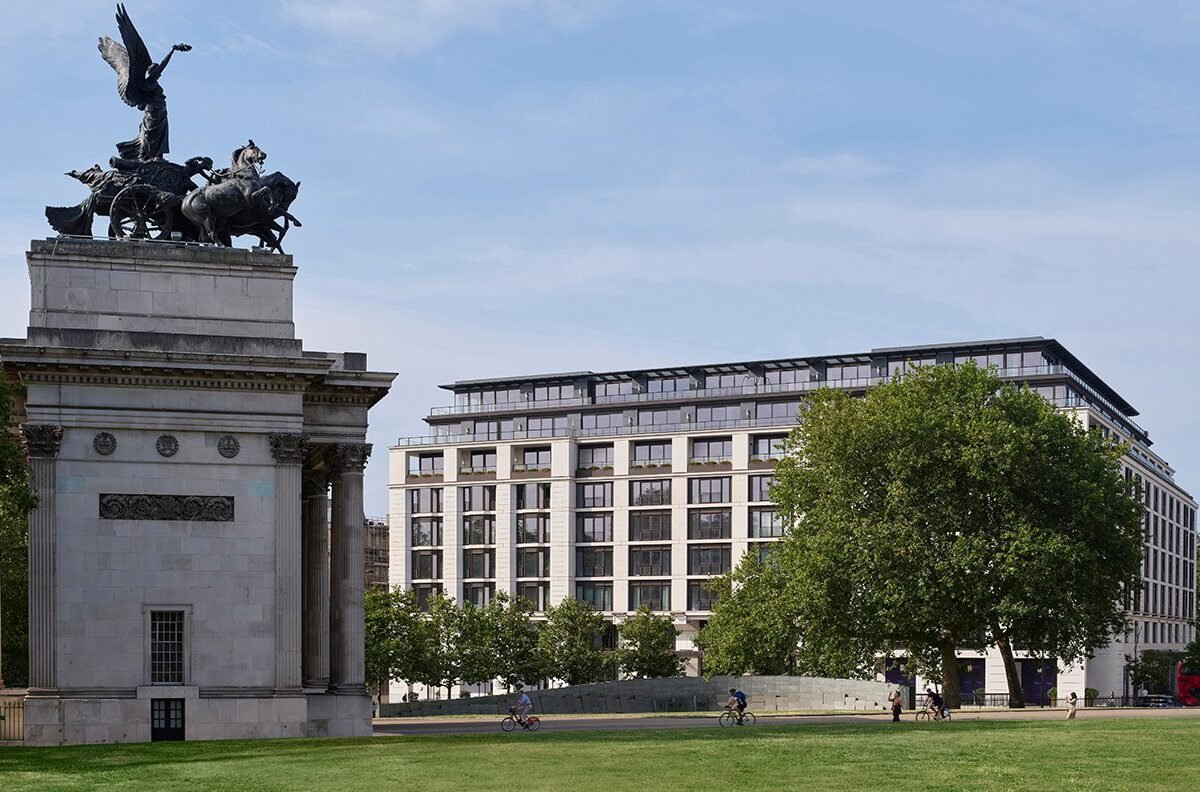
London’s luxury hospitality market has become increasingly competitive. Raffles London at The OWO has transformed a historic government building into an extravagant hospitality destination. The Peninsula London brings a purpose-built interpretation of contemporary luxury to Hyde Park Corner. Other established names, including The Connaught and The Dorchester, continue to compete for travelers seeking exceptional service and prestige.
Against this backdrop, Claridge’s appeal is not based on being the newest hotel in London or making the boldest architectural statement. Its identity is built around continuity.
The recognizable Art Deco interiors, long-standing traditions, celebrated guest history, and individually designed accommodations give Claridge’s a character that cannot easily be replicated by a new opening.
That does not make it the right choice for every traveler. Someone who prefers minimalist design, a contemporary atmosphere, or a hotel built around extensive lifestyle programming may find another London property more appealing.
So, Is Claridge’s Still Worth the Hype?
The most interesting thing about Claridge’s is that it has never needed to abandon its identity to remain relevant.
Its history may be the reason many travelers first recognize the name, but the hotel’s continued investment in its suites, restaurants, and wellness facilities demonstrates an understanding that reputation alone is not enough.
Of course, whether a stay justifies its premium rates ultimately depends on the accommodation chosen, the quality of service delivered, and what a guest values most in a luxury hotel.
But as a destination, Claridge’s offers something increasingly difficult to manufacture: a genuine sense of history paired with the amenities expected of a modern five-star property.
Who Should Stay at Claridge’s?
Claridge’s is particularly well suited to travelers who appreciate classic luxury, distinctive architecture, and hotels with a strong sense of heritage.
It is an appealing choice for romantic getaways, milestone birthdays, anniversaries, luxury shopping trips, and first-time visitors looking for a quintessentially elegant London experience.
Its individually designed suites and central Mayfair location also make it attractive for longer stays, and it is best suited to travelers who want their hotel to be an important part of the trip rather than simply somewhere to sleep.
Planning Your Stay at Claridge’s
Location: Brook Street, Mayfair, London W1K 4HR, United Kingdom
Hotel style: Historic five-star luxury hotel with Victorian, Art Deco, and contemporary interiors.
Best for: Romantic escapes, milestone celebrations, luxury shopping, architecture enthusiasts, and classic London experiences.
Standout experiences: Afternoon tea in The Foyer & Reading Room, signature suites, Claridge’s Spa, and cocktails in the hotel’s distinctive bars.
Best time to visit: London is a year-round destination. Spring and early fall are attractive for exploring the city, while the festive season brings Claridge’s celebrated Christmas decorations.
Booking advice: Compare individual room and suite categories carefully, and arrange afternoon tea, dining, and spa appointments ahead of arrival.
Reservations: Explore accommodations, dining experiences, and current offers through the official Claridge’s website.
The Final Word
London may have newer hotels, but few can tell quite the same story.
And perhaps that is its greatest luxury: in a city constantly chasing what comes next, Claridge’s knows exactly what it is.