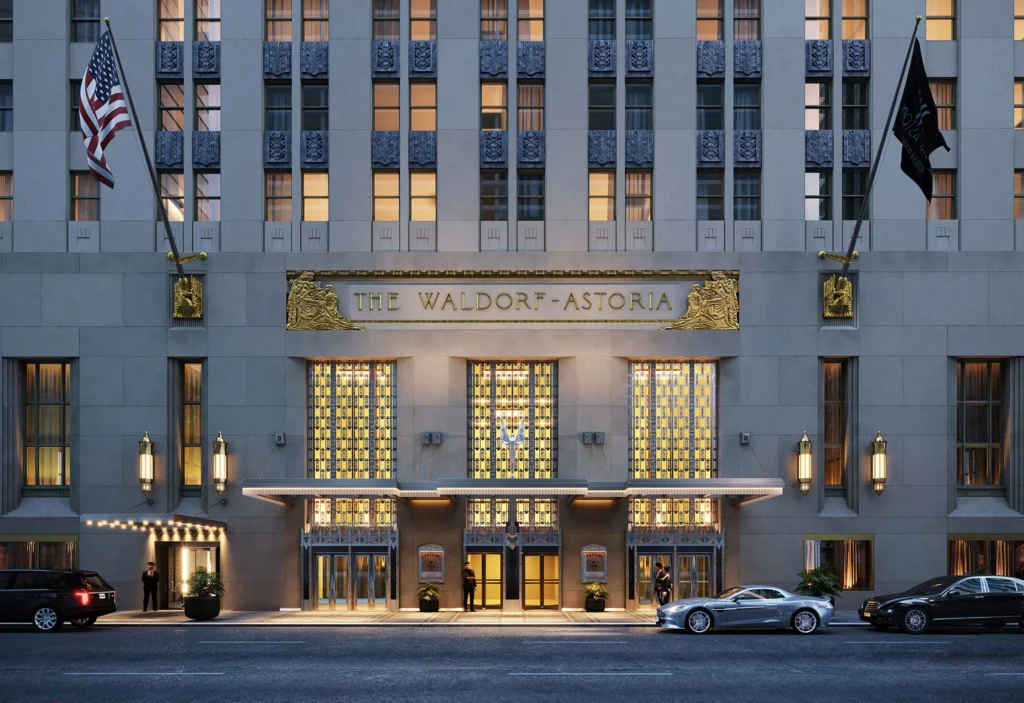
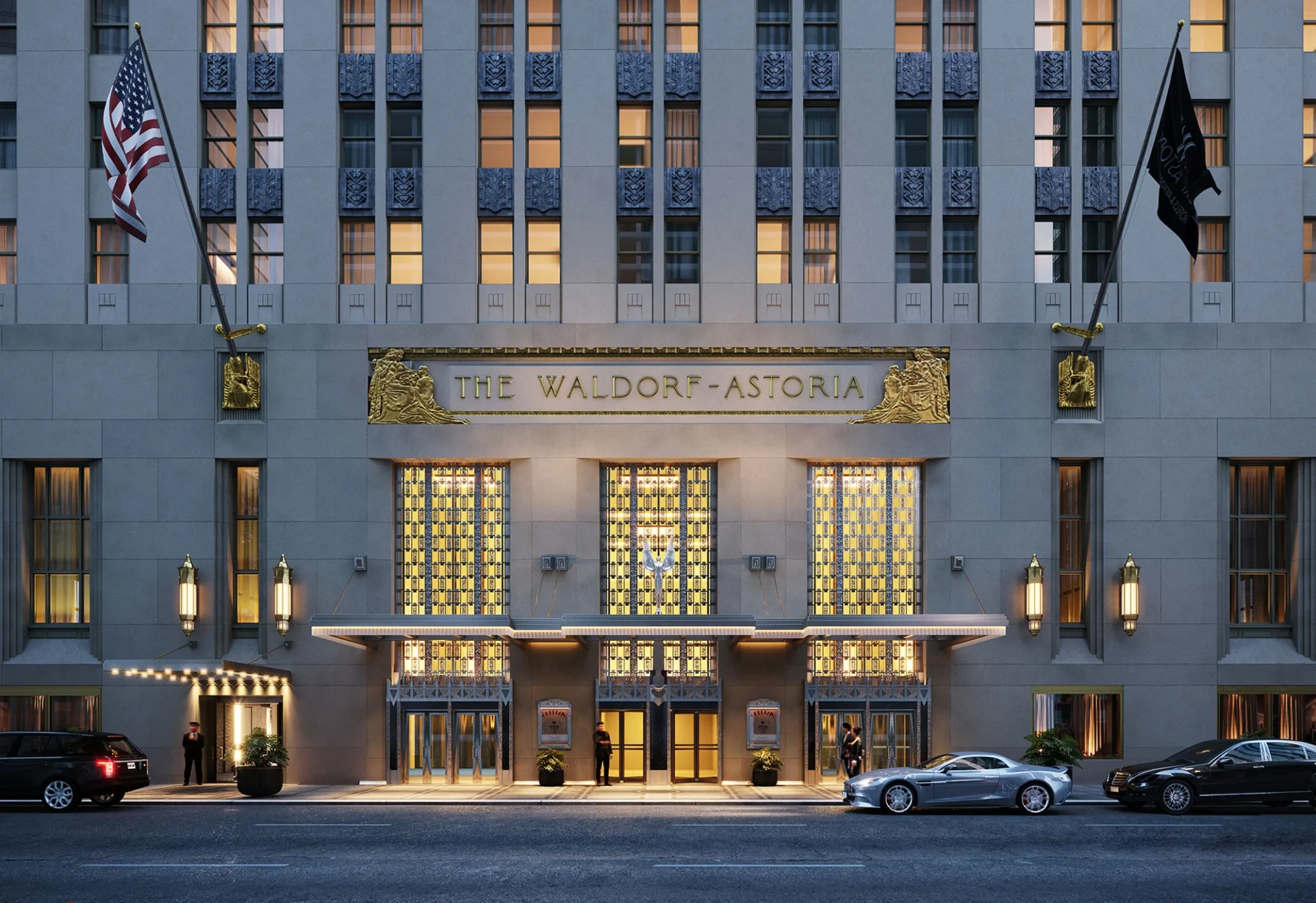
Main entrance of the Waldorf Astoria New York luxury hotel

Waldorf Astoria New York Review

New York's grande dame has come back smaller, calmer and considerably better than the legend it left behind.

By The Editors

Overview

The Waldorf Astoria went dark in 2017 as a 1,400-room convention of a hotel and reopened in 2025 as something else entirely: 375 rooms and suites inside the same 1931 Schultze and Weaver landmark, with the rest of the tower given over to residences. The arithmetic is the story. What was once grand but worn is now grand and rare, with entry-level rooms among the largest in Manhattan and corridors that no longer feel like a terminal.

The restoration takes the Art Deco fabric seriously. Pierre-Yves Rochon handled the public rooms, returning the Park Avenue lobby’s murals and mosaics to full volume, while Jean-Louis Deniot drew the guest rooms in a softer, residential key. Peacock Alley is back at the centre of it, with the bronze 1893 World’s Fair clock presiding and Cole Porter’s piano within earshot of the martinis, and it remains the best room in Midtown for watching New York decide it is having another.

Downstairs, Lex Yard puts Michael Anthony of Gramercy Tavern in charge of a proper Manhattan brasserie, and Yoshoku runs a jewel of a Japanese counter off the Alley. A Guerlain spa handles recovery several floors above Park Avenue. The address, midway between Grand Central and the Plaza district, does the rest; this is Midtown as the postcards promised.
The Waldorf Astoria went dark in 2017 as a 1,400-room convention of a hotel and reopened in 2025 as something else entirely: 375 rooms and suites inside the same 1931 Schultze and Weaver landmark, with the rest of the tower given over to residences.

— Luxury Hotel Reviews

Why We Love It

Occasion-grade glamour, worn more lightly than the old Waldorf ever managed. Peacock Alley hums from late afternoon, a mix of hotel guests, Midtown dealmakers and New Yorkers who have waited eight years to order a martini under the World's Fair clock again. Above the ground floor the hotel goes quiet quickly; with 375 rooms instead of 1,400, the corridors feel private rather than processional. Staff pitch the tone well: ceremonial when you arrive, easy once you are known.

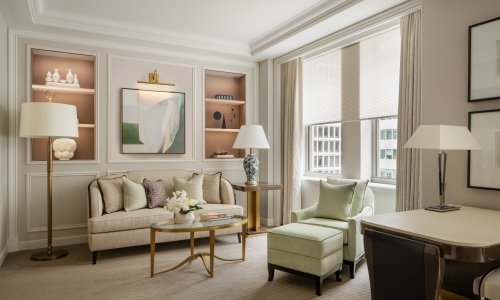
Junior Suite living area at the Waldorf Astoria New York with elegant Art Deco design

Rooms & Suites

The quiet revolution. Entry rooms start around fifty square metres, which is suite territory anywhere else in Midtown, and Jean-Louis Deniot's interiors keep them residential: soft plaster tones, walnut, marble bathrooms with double vanities and deep tubs, and Deco references that never tip into pastiche. Higher floors buy light and Park Avenue perspective rather than drama; the true views here are inward, into the building's history. Suites scale up to apartment logic, and the beds are exceptional.

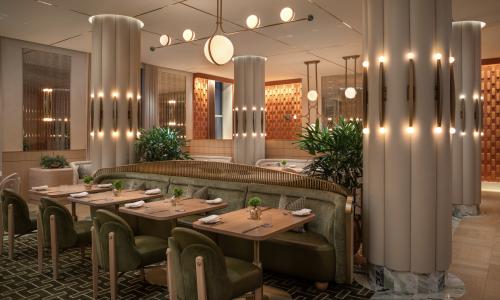
Fine dining restaurant at the Waldorf Astoria New York with elegant Art Deco interiors

Dining

Yes, and that was not true of the old regime. Lex Yard, under Michael Anthony of Gramercy Tavern, is a genuine Manhattan brasserie rather than a hotel simulation, strongest at dinner and busy with locals, which is the tell. Yoshoku's little Japanese counter off Peacock Alley does an elegant, quietly priced omakase-adjacent menu. Peacock Alley itself covers everything from breakfast to nightcap, and the martini trolley is the correct order. Book Lex Yard ahead; the neighbourhood found it fast.

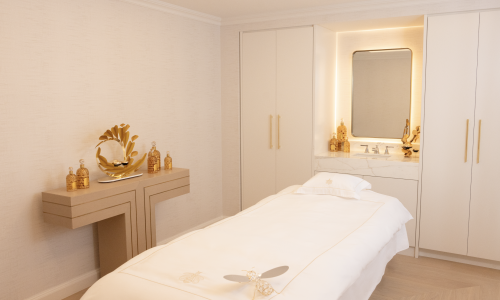
Luxury spa treatment room at the Waldorf Astoria New York

Spa & Wellness

The Guerlain spa is a polished, unhurried operation: treatment rooms in muted stone, facials that justify the brand's reputation, and massage therapists who work to jet-lag schedules rather than spa-menu ones. A 25-metre pool, a rarity at this altitude of Manhattan luxury, anchors the fitness floor, and the gym is comprehensive and quiet before nine. It is an amenity spa executed at destination level rather than a wellness resort, which is exactly right for the building.

Location

Walk to Grand Central before nine to see the concourse ceiling with commuters instead of tour groups, then take the Campbell bar upstairs for a pre-dinner drink in a 1920s office. St Bartholomew's Church next door and the Seagram Building two blocks north bookend the neighbourhood's architecture. MoMA is a ten-minute walk west; go at opening on a weekday and start on the fifth floor.

The Verdict

Travellers who want the New York hotel as an event: anniversary trips, first-visit splurges, and anyone with history in the building, of whom there are generations. Business guests get Grand Central four blocks south and rooms large enough to think in. It is less obvious for downtown-minded visitors, since Midtown east after dark is commerce rather than culture, and for anyone allergic to formality. But as a statement that the grand urban hotel still has a pulse, nothing in the city currently argues better.