Voaara Madagascar Review

The most exciting new beach address in the Indian Ocean, precisely because it is not in the Maldives.

By The Editors

Overview

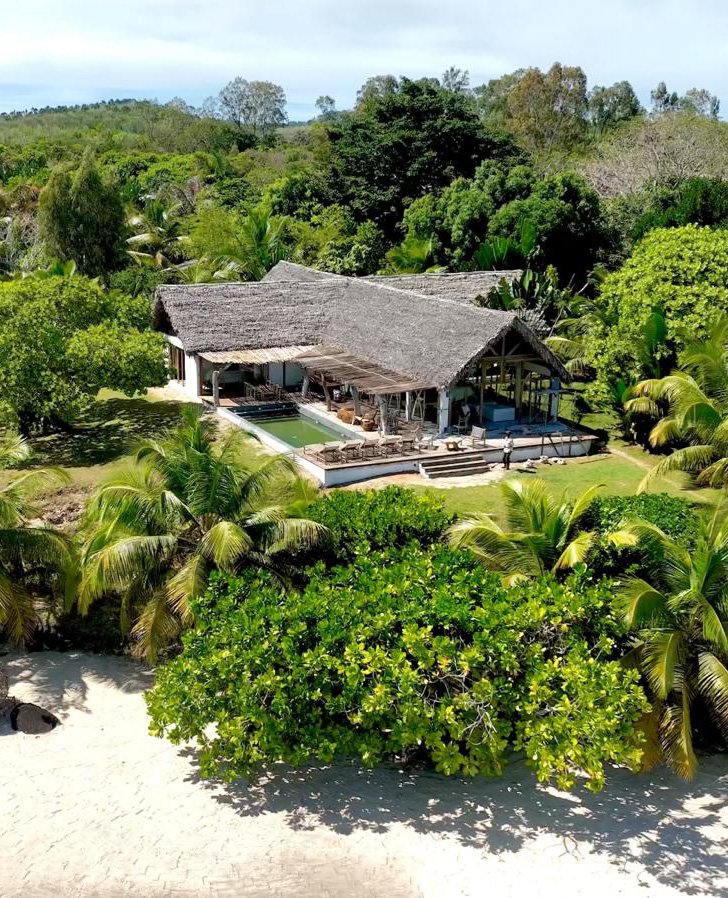
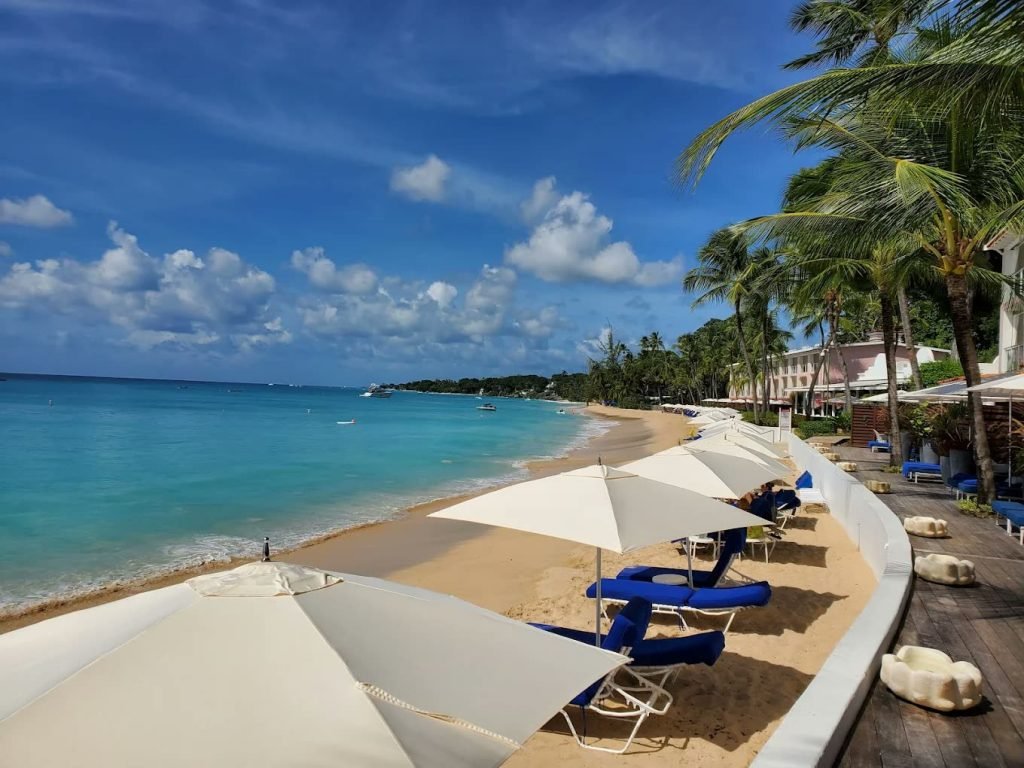
Voaara sits at the northern tip of Île Sainte-Marie, the slender island off Madagascar’s east coast that seventeenth-century pirates used as a hideout, and the logic still holds: it is hard to reach and harder to leave. The resort opened in late 2024 as one of the first internationally pitched luxury stays in the country, a scatter of thatched villas built by Malagasy craftsmen along a reef-locked beach, with the Indian Ocean on one side and clove and vanilla plantations at its back.

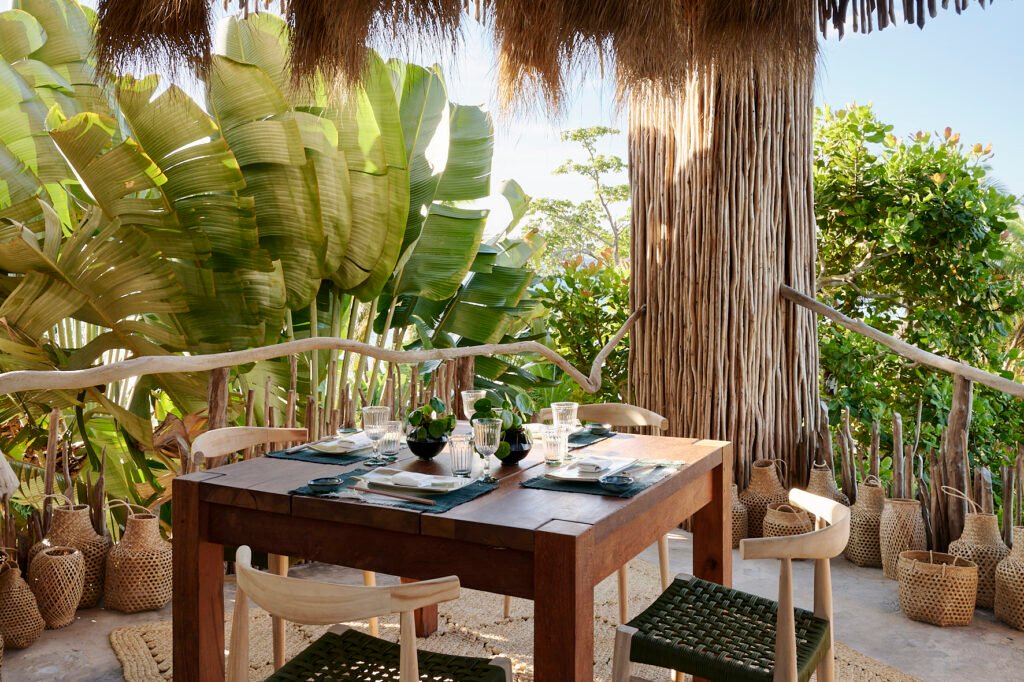
The style is barefoot by conviction rather than budget: driftwood, raffia and local hardwood, open-air bathrooms, no televisions, and a kitchen that works with what the island fishermen and farmers bring in that morning. With roughly a dozen villas, occupancy at full house feels like a large house party that keeps politely missing itself.

The headline act is seasonal. Between July and September, humpback whales calve in the Sainte Marie channel, and Voaara’s boats put you alongside one of the world’s great migrations before lunch. The rest of the year offers kitesurfing on the lagoon, reef snorkelling, and a coral regeneration project guests can actually get in the water with. This is frontier luxury, with the small rough edges that implies, and it is exactly the point.


Voaara sits at the northern tip of Île Sainte-Marie, the slender island off Madagascar's east coast that seventeenth-century pirates used as a hideout, and the logic still holds: it is hard to reach and harder to leave.

— Luxury Hotel Reviews

Why We Love It

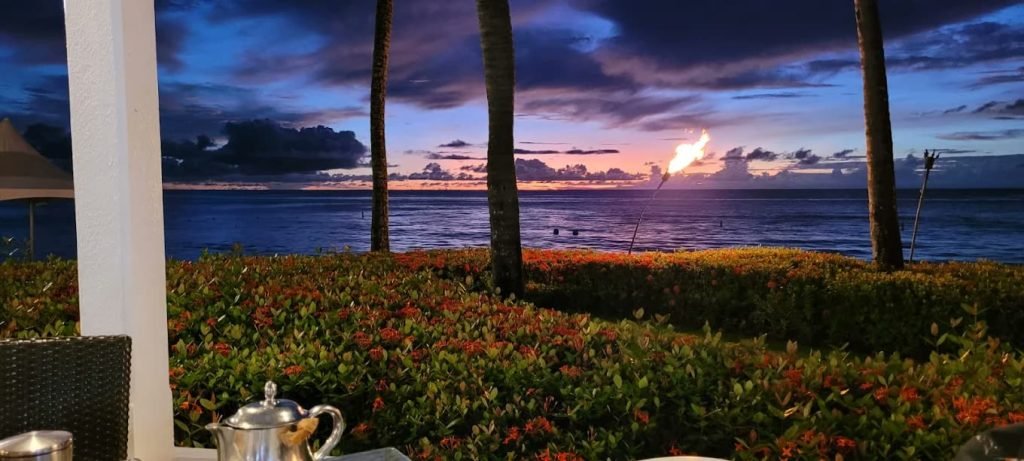
Castaway with excellent wine. Shoes disappear on arrival and stay lost; days are structured by tides and whale sightings rather than activity schedules. Guests skew adventurous, the sort who have done the Maldives and want something with a pulse of real place, and the Malagasy team's warmth is the resort's defining feature. Evenings are firelight, rum arrangés and conversation. There is no scene here because there is nothing to perform for, and that is the luxury.

Rooms & Suites

A dozen or so villas strung along the beach, each built from thatch, raffia and island hardwood by local craftsmen, with big shaded terraces, outdoor bathrooms and steps-to-sand access. The look is textural rather than glossy: woven walls, driftwood details, linen by the metre. No televisions, patchy but functional Wi-Fi, ceiling fans and sea breeze doing the air conditioning's heavier lifting. Book a north-facing villa for channel views, whale season's best seats in the house.

Dining

There is nowhere else to eat, and you will not mind. The kitchen builds each day's menu around the morning's catch and whatever the island's farms deliver: grilled fish with sauce coco, zebu when it is good, vanilla and clove threading through desserts because both grow ten minutes inland. Lobster season is an event. The bar takes rum seriously, with house arrangés infused with island fruit and spice. Expect a set rhythm rather than a long menu, and tell them your dislikes early.

Spa & Wellness

An open-air affair in keeping with the rest: treatment pavilions facing the water, therapists working with local vanilla, coconut and ravintsara oils, and the soundtrack supplied by the reef. The menu is short and massage-led rather than gadget-driven, which suits a place where the main wellness programme is swimming before breakfast and sleeping nine hours. Treatments are best booked for late afternoon, when the light goes gold and the channel occasionally provides a whale as backdrop.

Location

In season, the whale-watching boats find humpbacks breaching in the Sainte Marie channel most mornings; go early for calm water. The island's pirate cemetery above Baie des Forbans, with its skull-carved headstones, is a genuinely strange half-day. Hire a scooter or driver and stop at the clove and vanilla plantations along the coast road south.

The Verdict

Honeymooners who find overwater villas generic, wildlife travellers timing the July to September humpback season, and kitesurfers chasing an uncrowded lagoon. It rewards patience and curiosity: getting here involves a domestic flight or boat, power and connectivity have island moods, and the pay-off is a beach and a culture that feel genuinely undiscovered. Anyone needing guaranteed gloss, twenty dining options or same-day logistics should look at the established Indian Ocean islands instead.