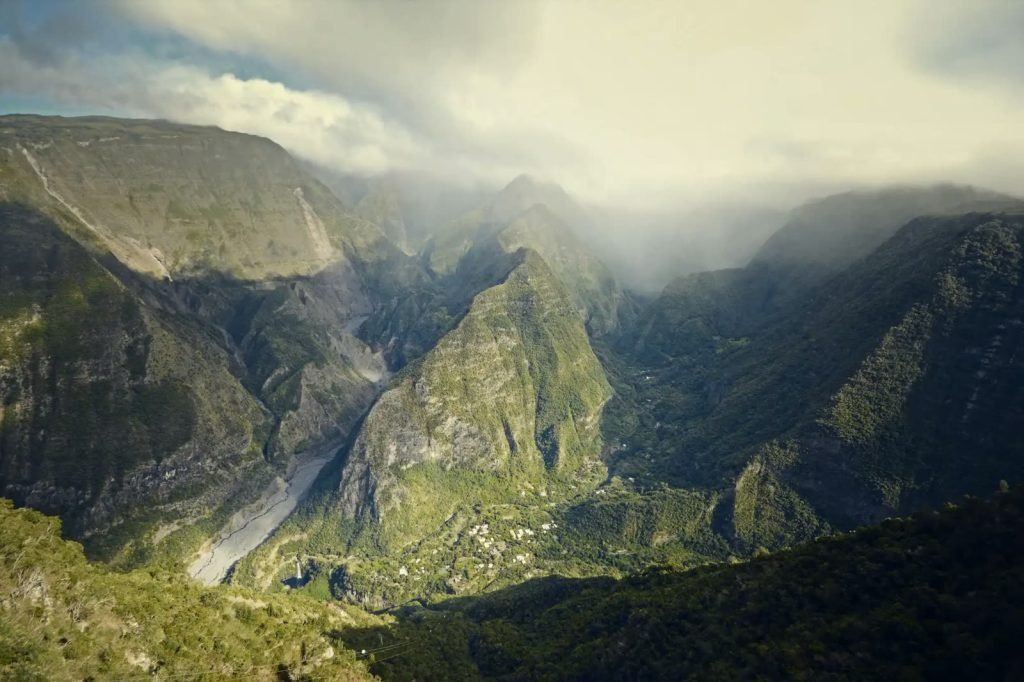
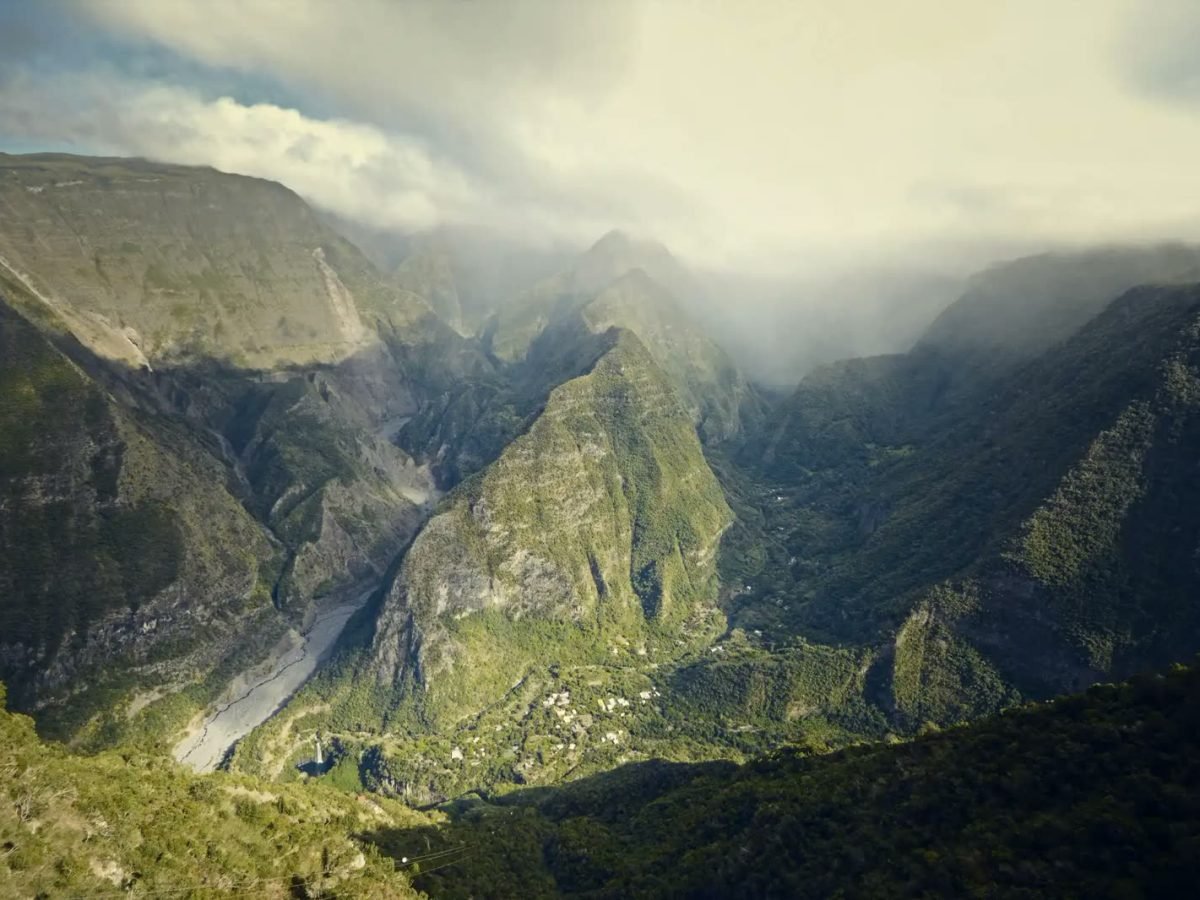
Steep green mountain valley under drifting cloud

Amankora Thimphu Review

A monastic, beautifully judged first move in the best hotel circuit in the Himalayas.

By The Editors

Overview

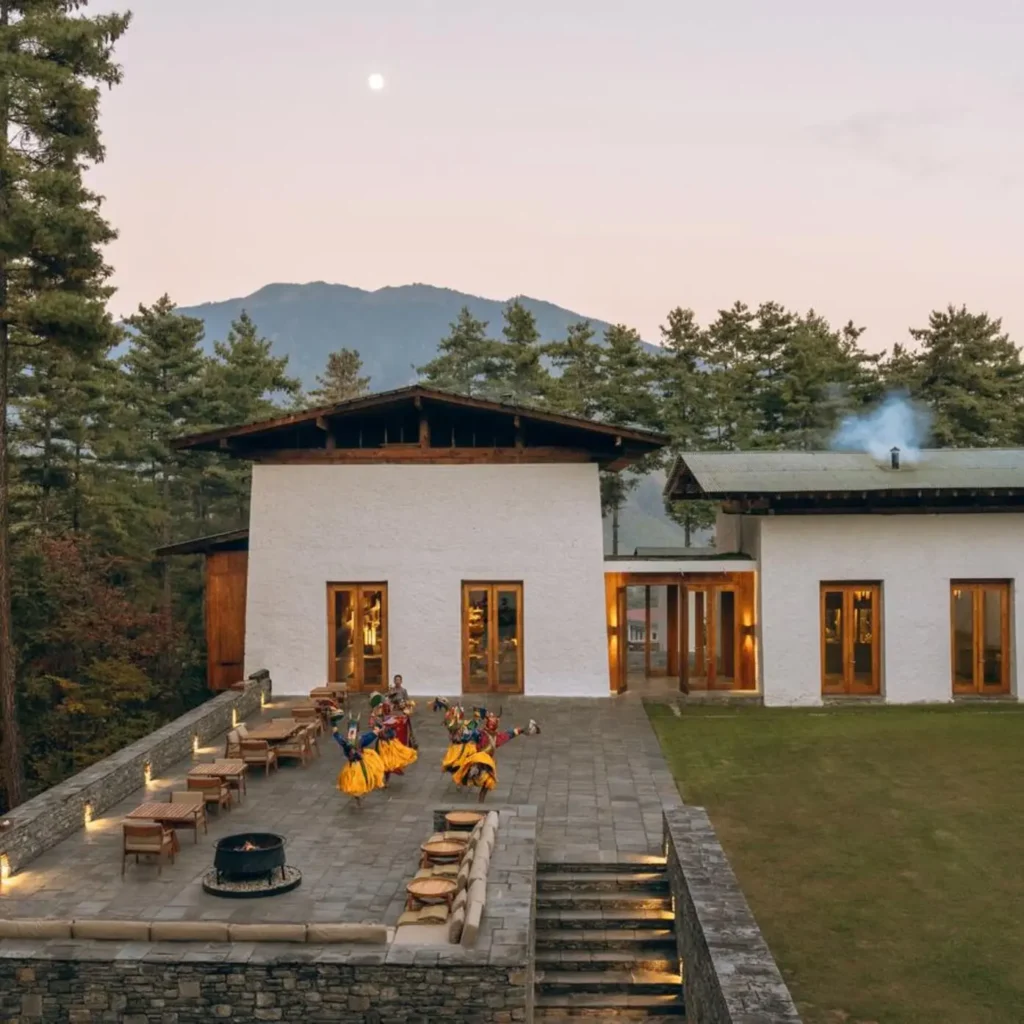
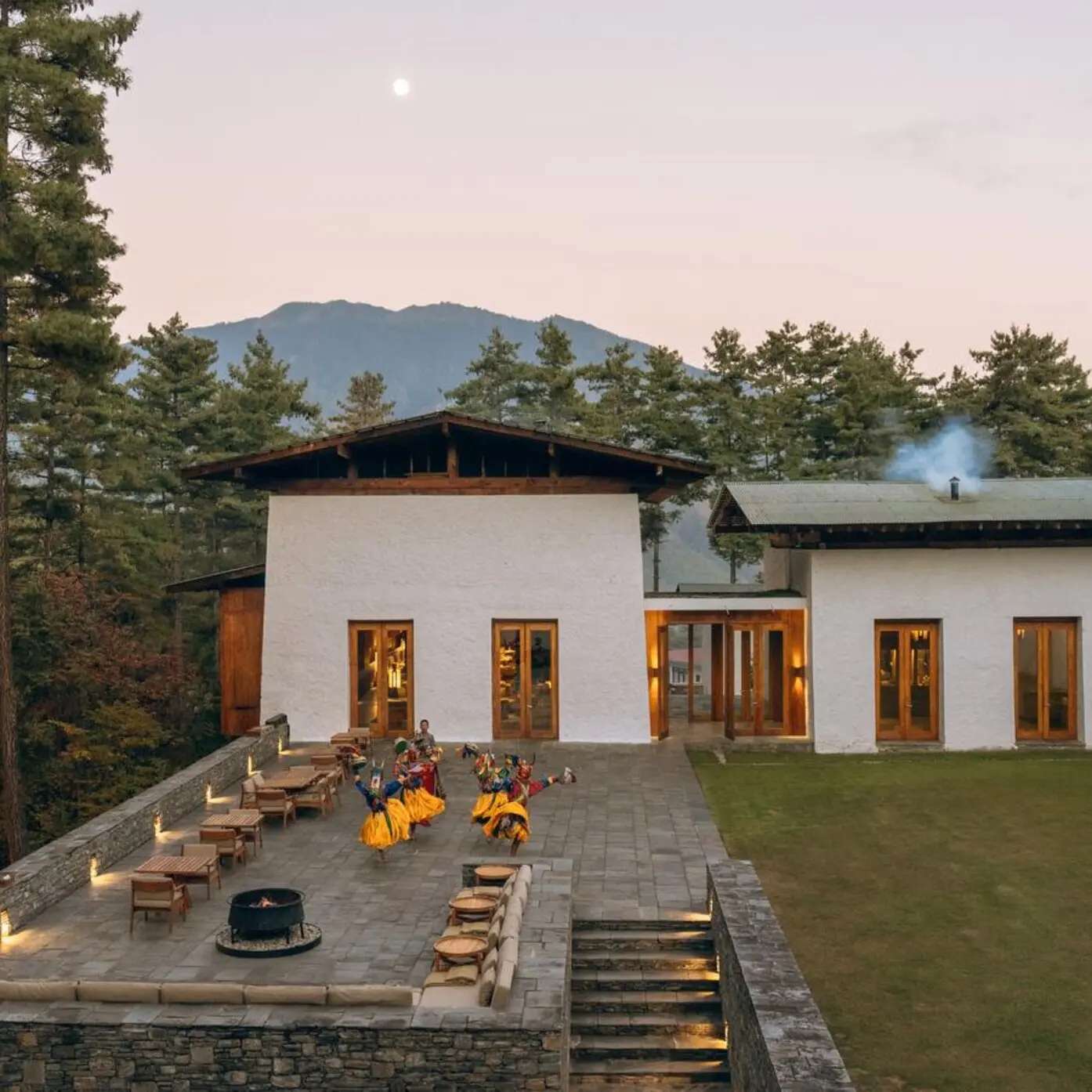
Thimphu is the world’s only capital without a traffic light, and Amankora’s lodge takes the hint. It sits in the Motithang district on a hillside of blue pine above the city, a cluster of rammed-earth and whitewashed buildings that borrow their silhouette from Bhutan’s dzong fortresses. Kerry Hill’s architecture does what it always did best: heavy walls outside, calm geometry inside, nothing to distract from the forest pressing at the windows.

There are just 16 suites, each essentially the same generous room: a bukhari wood-burning stove in the centre, a terrazzo bath by the window, a daybed for staring at pines. At roughly 2,350 metres the air is thin and cold and smells of woodsmoke, and evenings organise themselves around the firepit and a menu that runs Bhutanese red rice, yak and proper chilli heat alongside gentler Western cooking.

Most guests treat Thimphu as the opening chapter of the Amankora circuit, moving on to Punakha, Gangtey, Bumthang or Paro with the same team shadowing the journey. As a gateway it is close to perfect: the capital’s dzongs, markets and workshops are minutes away, and the lodge is far enough up the hill that Bhutan’s quiet gets to you first.
Thimphu is the world's only capital without a traffic light, and Amankora's lodge takes the hint.

— Luxury Hotel Reviews

Why We Love It

Contemplative bordering on monastic, in the best way. Sixteen suites means the lodge often feels like a private house where dinner conversation happens in murmurs beside the fire. Most guests are mid-journey through Bhutan, so the talk is of dzongs seen and passes crossed rather than deals done. Staff are largely Bhutanese, unforced and genuinely warm, and the programme leans on culture rather than luxury theatre. Days start early, end early, and feel longer than they are.

Dozens of hot air balloons lifting off over Goreme, Cappadocia

Rooms & Suites

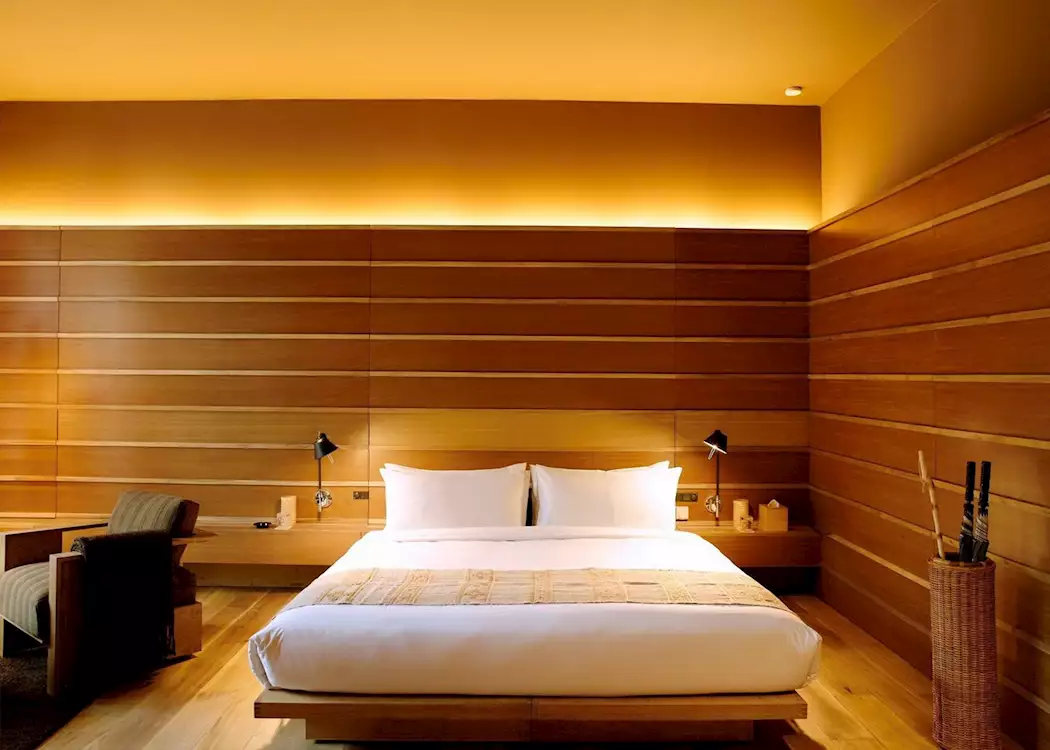
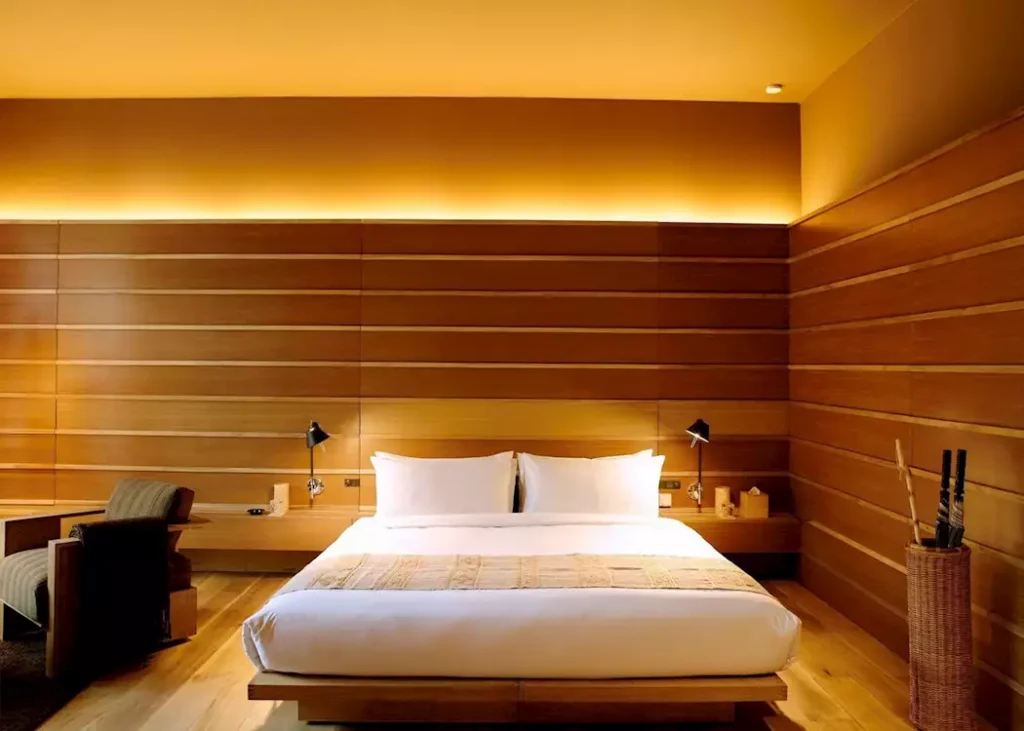
One category, sensibly, and it is a good one. Every suite gives you whitewashed walls, dark timber, a king bed facing the forest, and the two features that define the stay: a bukhari stove that staff light while you are at dinner, and a deep terrazzo bath positioned for pine views. There is no television, deliberately. Window seats and natural fabrics do the rest. Ask for an upper-floor suite for a longer view down the valley.

Hot air balloons above the fairy chimney valleys of Cappadocia at dawn

Dining

Yes, partly because Thimphu offers few credible alternatives and mostly because the kitchen is good. The daily-changing menu pairs Bhutanese dishes, red rice, ema datshi with proper fire, momos, alongside Western comfort cooking, and the produce comes from local farms. Breakfast bread is baked in-house. Dinner beside the fire-lit dining room windows, or outside at the firepit with hot arra if you are brave, is the evening. Wine list is short but well chosen.

Hot air balloon drifting over rock formations at sunrise in Cappadocia

Spa & Wellness

Compact, with treatment rooms, a steam room and meditation space, but the essential booking is the traditional hot stone bath: river stones heated over fire and dropped hissing into herb-infused water in a timber tub. After a day walking at altitude it is close to medicinal. Treatments use indigenous herbs and oils, and yoga, breathwork and guided meditation are offered. Book the stone bath for your first evening; it resets you for the whole circuit.

Location

Time Tashichho Dzong for late afternoon when the offices close and the monks take the courtyards back. The Buddha Dordenma, an eight-storey gilded statue on the ridge, is best at first light before the coaches. On Saturday, walk the weekend market for dried chillies, yak cheese and incense, then let your guide take you to the weaving workshops in Changzamtog.

The Verdict

Travellers doing Bhutan properly, which in practice means the multi-lodge Amankora journey, and anyone who wants culture and landscape with the logistics invisibly handled. It suits walkers, photographers and the burnt-out, who tend to leave noticeably different. It is a poor fit for anyone who measures a hotel by facilities: there is no pool, no scene, and the nearest thing to nightlife is evening prayers at Tashichho Dzong. That is precisely the offer.