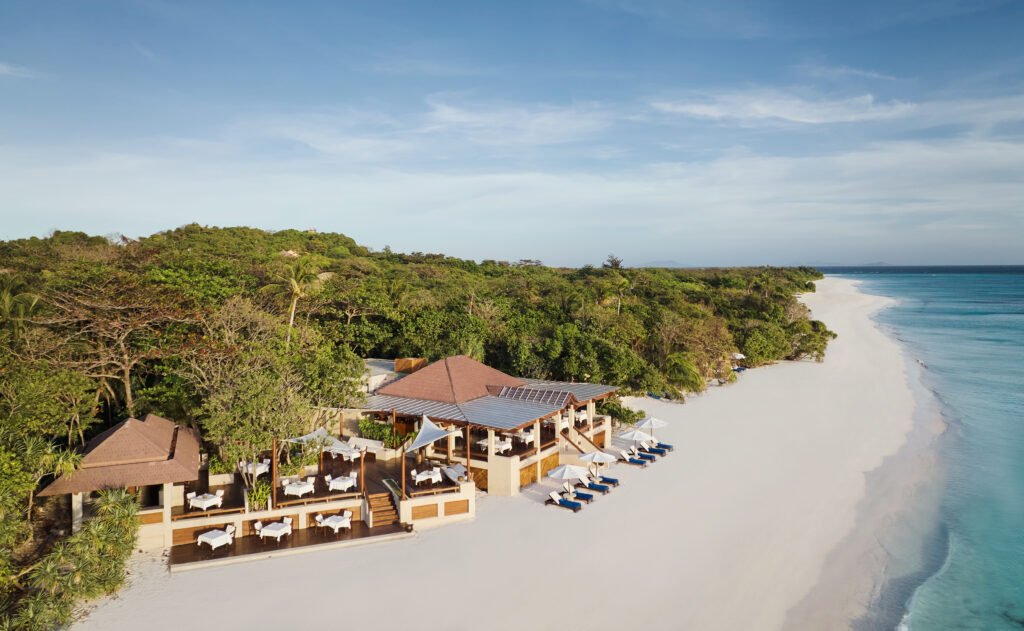

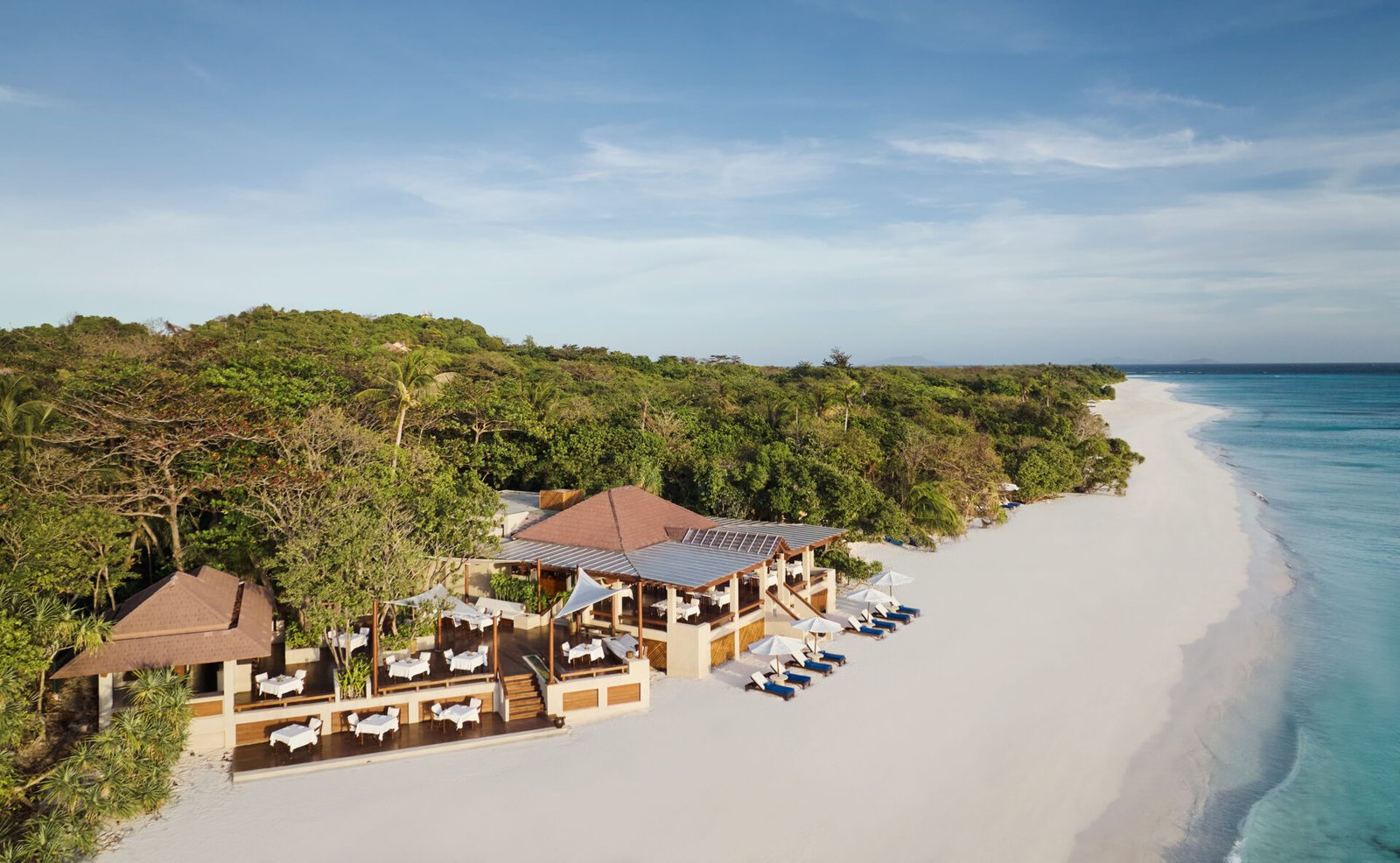
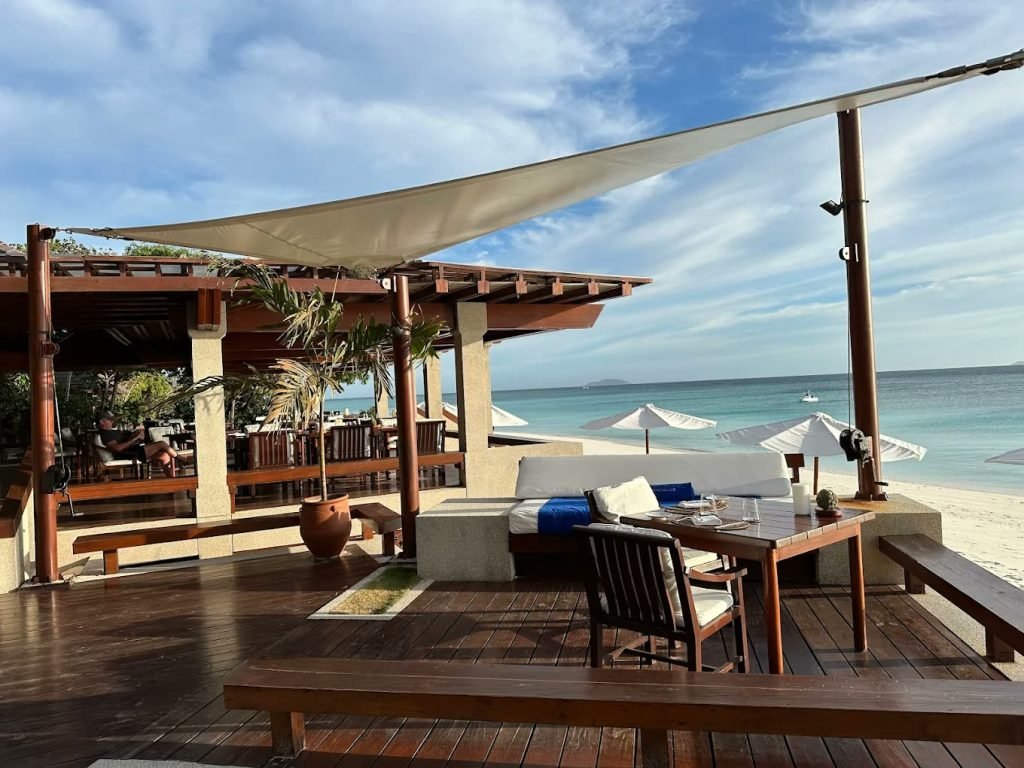
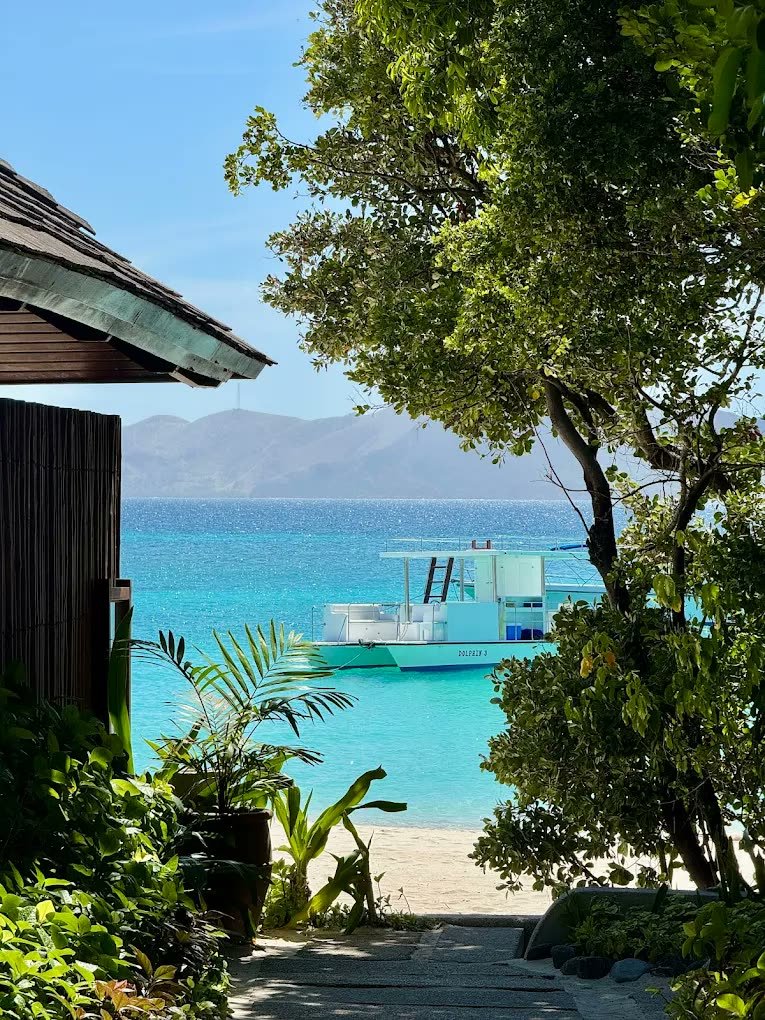
Sail-shaded deck of the beach club above white sand at Amanpulo, Palawan

Amanpulo Review

The full private-island fantasy executed with Aman discipline, priced accordingly.

By The Editors

Overview

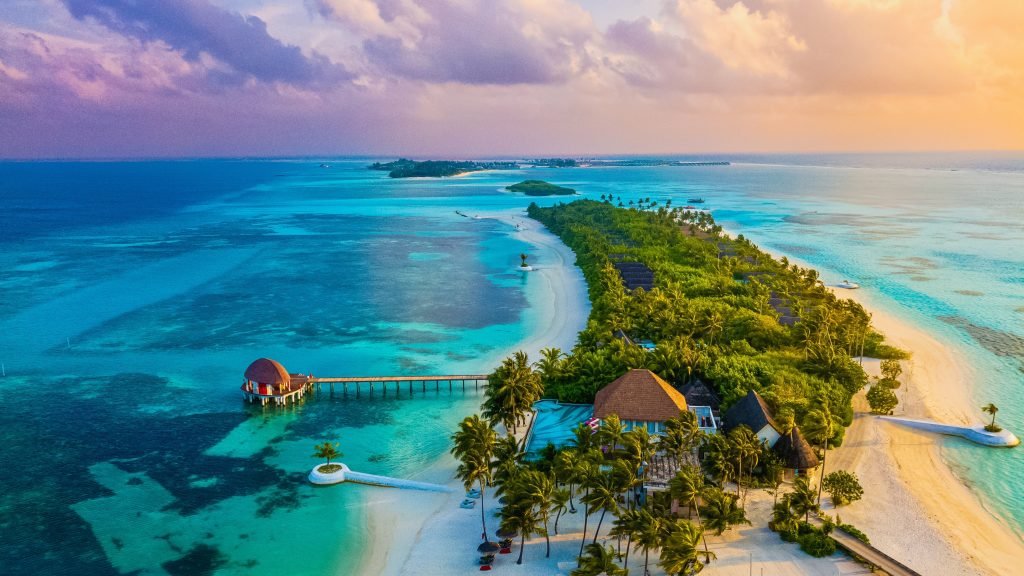
Amanpulo begins at a private terminal in Manila, where a twin-prop plane takes you 70 minutes south to Pamalican, a speck of the Cuyo archipelago with its own runway and nothing else on it. The island is ringed by white sand and seven kilometres of reef, and every one of the 42 casitas and villas belongs to the resort. Arrival is the point: you step off the plane, into a buggy, and the outside world is formally closed until further notice.

The casitas are single-storey pavilions modelled on Filipino bahay houses, with pitched roofs, pale timber, and terraces angled at the sea or the treetops. Villas add private pools and staff. Days organise themselves around the water: the reef starts a short swim off the beach, hawksbill and green turtles nest on the sand in season, and the dive centre runs trips to drop-offs that see almost no other boats.

It is eye-wateringly expensive and unapologetic about it. What you are buying is not thread count but subtraction: no day trippers, no jet skis, no queue for anything. By day three the rhythm of swim, eat, read, repeat feels less like a holiday than a personality change.
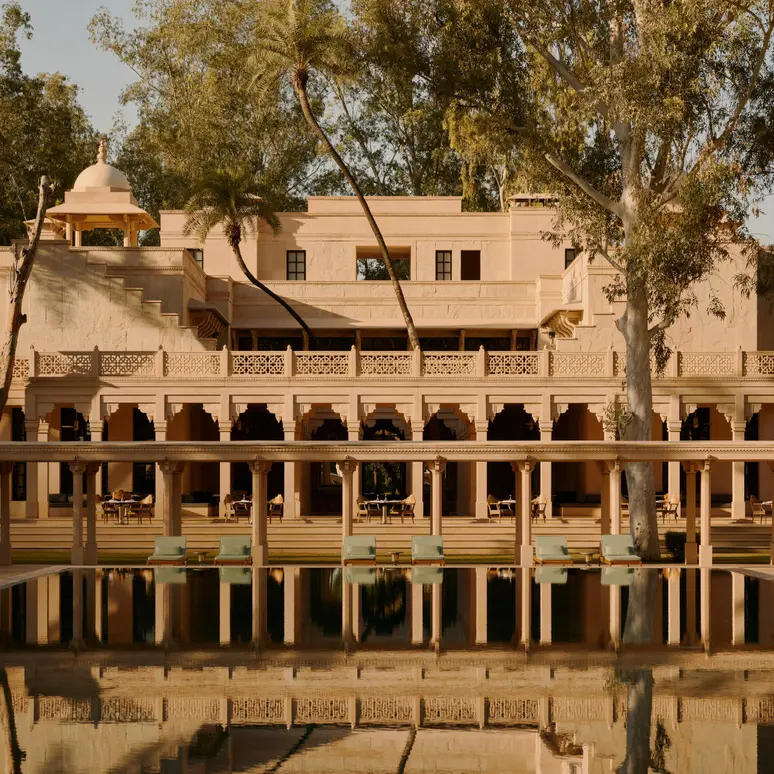
Amanpulo begins at a private terminal in Manila, where a twin-prop plane takes you 70 minutes south to Pamalican, a speck of the Cuyo archipelago with its own runway and nothing else on it.

— Luxury Hotel Reviews

Why We Love It

Barefoot and unhurried, with money kept politely out of sight. Guests are a mix of honeymooners, multi-generation families in the big villas and serious Aman collectors, and because the island absorbs everyone, it never feels like more than a dozen people are here. Dress codes do not exist. Staff remember your name from the airstrip onwards and your drink from the first evening. The loudest thing on Pamalican is the tokay gecko behind the minibar.

Sandy path through palms towards the beach

Rooms & Suites

The 42 casitas are essentially freestanding beach houses: one room, huge bed, a bathroom the size of most hotel rooms, and a terrace with a daybed you will fight your partner for. Treetop casitas are cheaper and more private; beach casitas open straight onto sand and are worth the difference. Villas run from one to four bedrooms with pools, kitchens and dedicated staff. Everything is timber, cotton and shell, maintained to an obsessive standard.

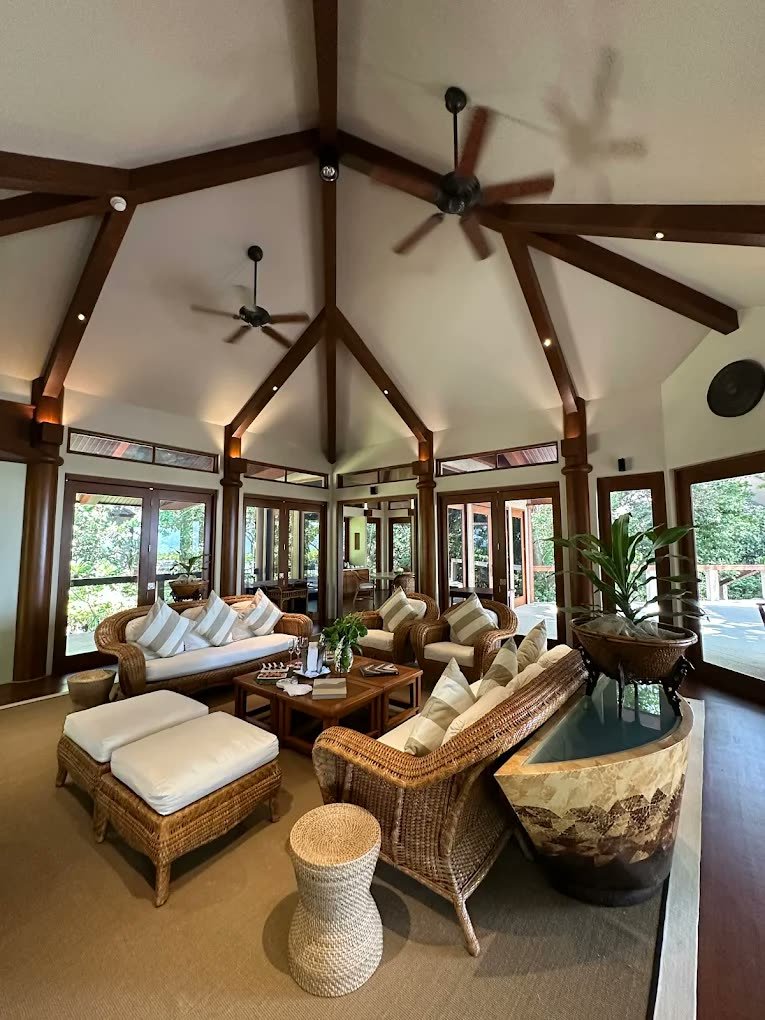
Vaulted villa living pavilion with rattan seating and garden light

Dining

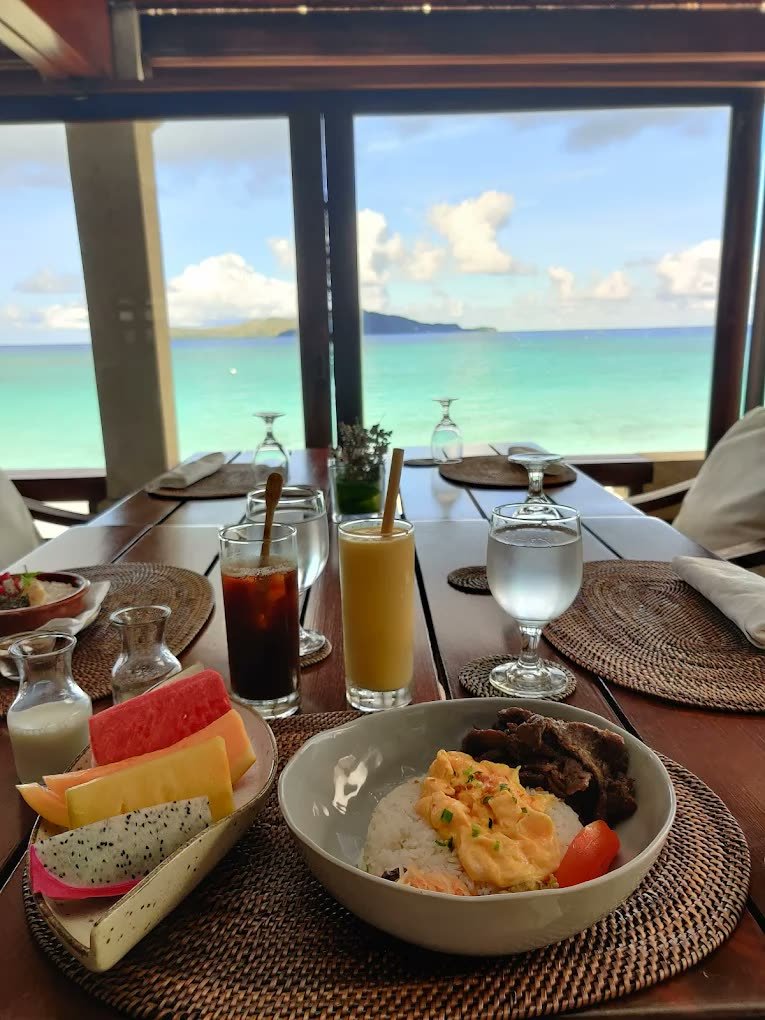
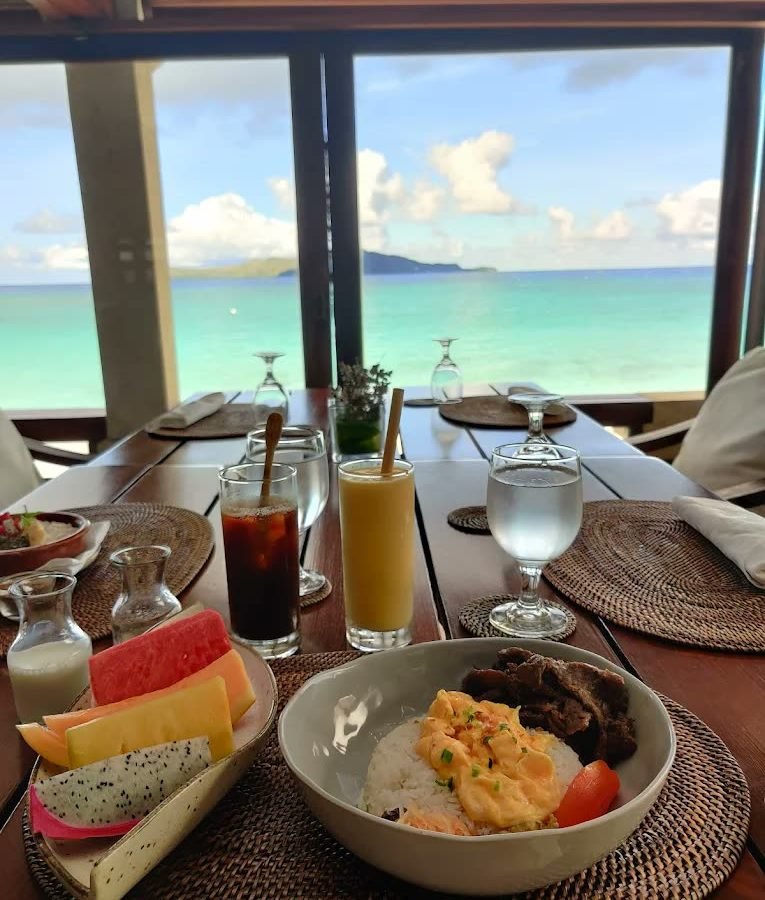
You have no choice, and happily it holds up. The Clubhouse handles Filipino and international cooking, with the kinilaw and whole grilled fish the standouts; the Beach Club does long lazy lunches with your feet in sand. In-villa barbecues, sandbar picnics and a private dinner on the runway lookout are all arrangeable. The kitchen sources from its own hydroponic garden and local fishermen. Prices are high, though most guests book half board.

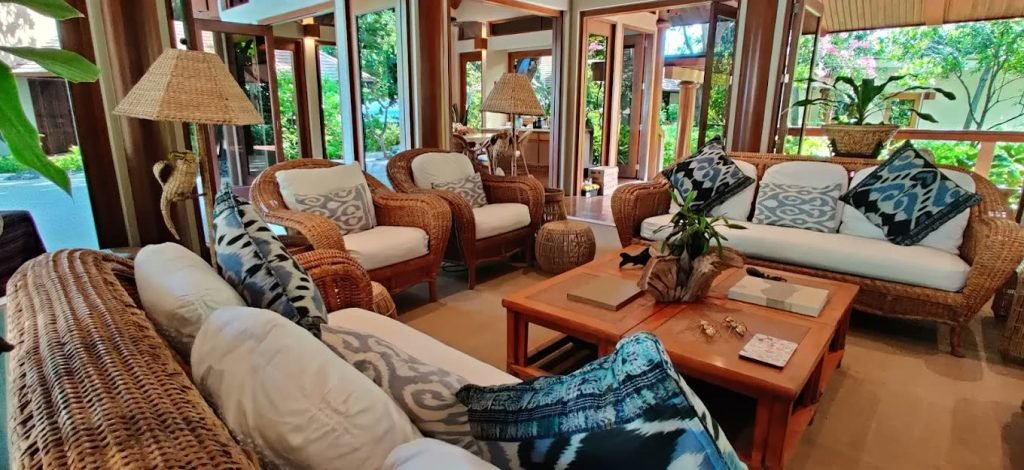
Rattan lounge pavilion with ikat cushions opening to tropical gardens

Spa & Wellness

The Aman Spa sits in its own patch of jungle with treatment pavilions rather than rooms, so you hear birds instead of piped whale song. Therapists are Filipino-trained and excellent, and the hilot-influenced massages are the thing to book. There are yoga and Pilates pavilions, a serious gym, and wellness immersions for those staying a week or more. It is not a medical-spa operation, and does not pretend to be: this is recovery, not reinvention.

Location

The reef is the excursion: snorkel the house drop-off at slack tide, or take the dive boat to the western wall where turtles queue up to be photographed. Book the sandbar picnic before you arrive because it goes first. Between March and October, ask the marine team about walking the turtle nesting beacons at dawn.

The Verdict

Honeymooners, obviously, but the surprise is how well it does families: the Kids' Camp, calm shallows and villa set-up make it one of the few true luxury islands where children are an asset rather than a liability. It suits anyone whose definition of luxury is privacy and water quality rather than nightlife or shopping. If you need a scene, a spa mall or something to do after 10pm, stay in Manila or go to Phuket instead.