
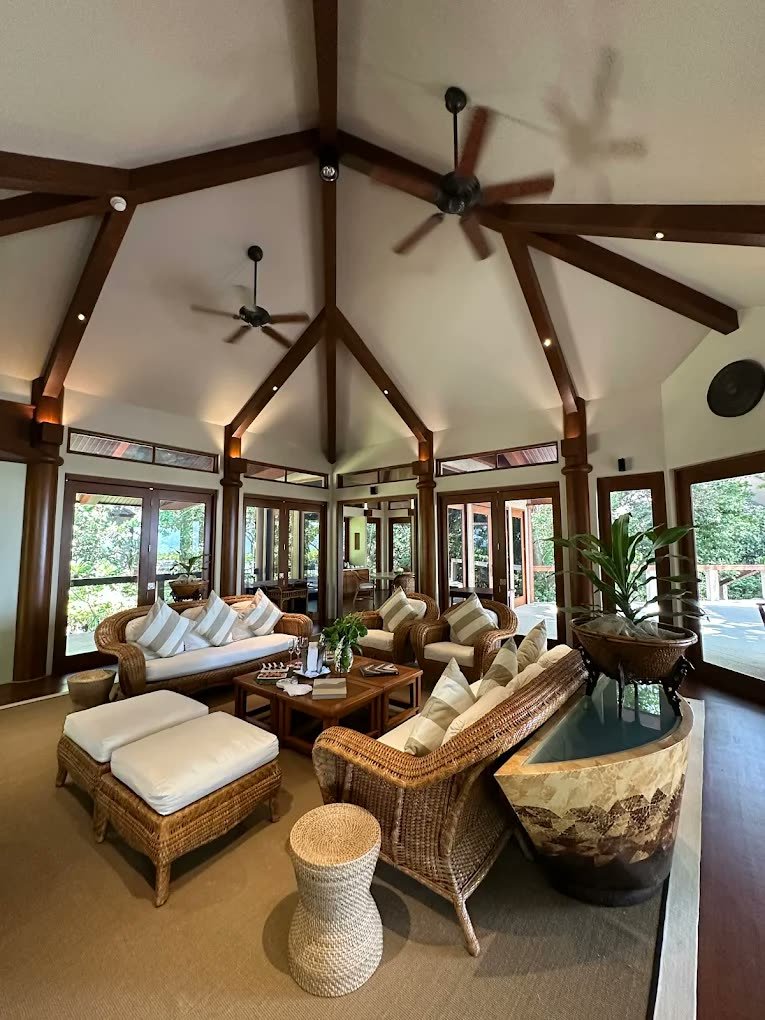
At the top of the resort market two brands take up most of the oxygen. Aman, founded in 1988 with Amanpuri in Phuket, invented the modern ultra-luxury resort. Six Senses, reborn under IHG’s ownership and expanding fast, has become its most interesting challenger. Both trade in remoteness, wellness and restraint. Having reviewed both extensively, we can tell you they are profoundly different holidays.
Two philosophies of quiet
Aman’s quiet is architectural. Its resorts are exercises in subtraction: few rooms, vast proportions, staff who materialise and vanish. The brand asks nothing of you. Six Senses’ quiet is programmatic; it wants to change you a little, through sleep tracking, organic gardens, an Earth Lab explaining the composting. One brand is a monastery, the other a very comfortable syllabus.
Design and rooms
Aman remains the benchmark. From the frescoed piano nobile suites of Aman Venice to the casitas of Amanpulo, the design language is spare, monumental and expensive in ways you feel rather than see. Six Senses is warmer and more textural, all reclaimed timber and rope swings, and its villas are often larger for the money, but detailing varies more between properties. If design is your religion, Aman wins on consistency.
Service
Both brands staff generously, but the styles diverge. Aman service is anticipatory and nearly invisible: names remembered from the arrival manifest, preferences carried between resorts on a guest profile that follows you around the world. Six Senses assigns each villa a dedicated host and encourages personality, so you may finish the week knowing your host’s home village and favourite football team. One approach feels like being read; the other like being befriended. Neither is wrong, but travellers who find chattiness intrusive should know which queue they are joining.
Wellness
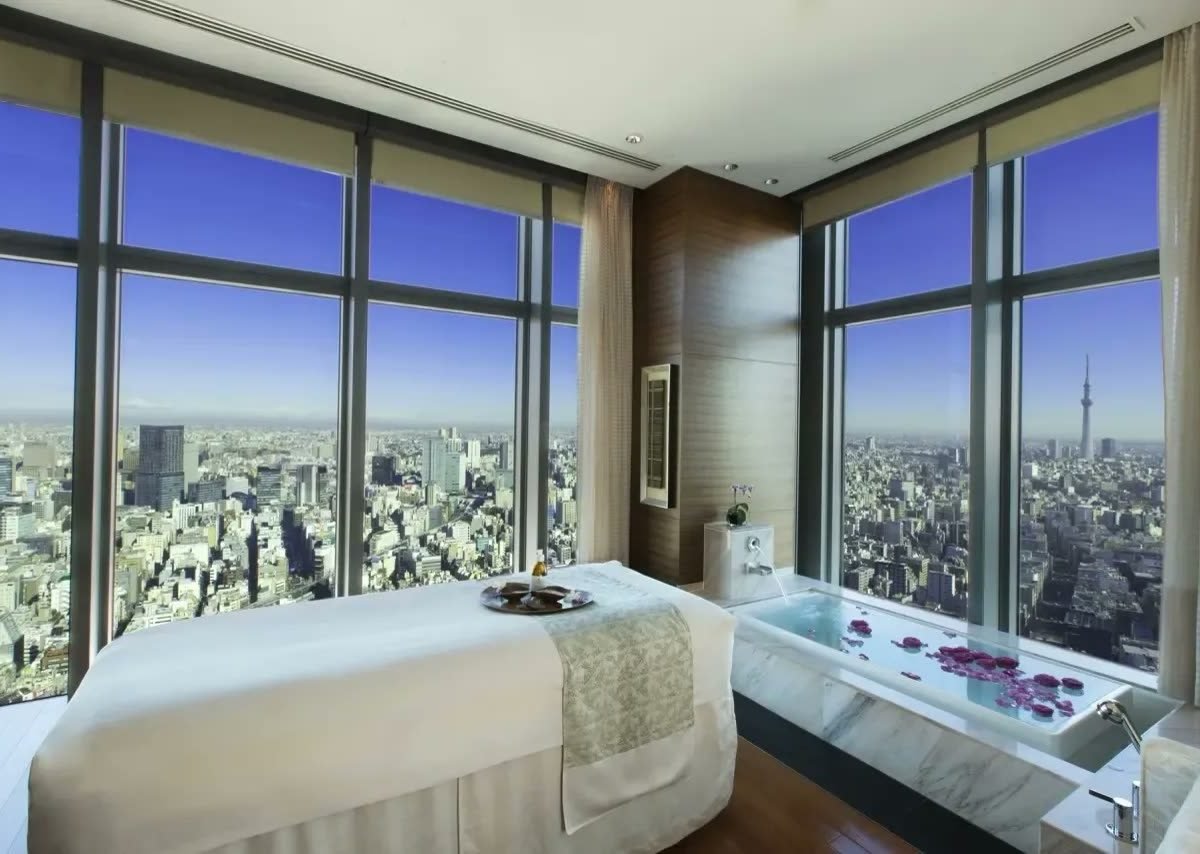
Here the order reverses. Six Senses treats wellness as the core product: proper diagnostics, resident practitioners, multi-day programmes with follow-up that outlasts the tan. Aman’s spas are serene and its newer Janu sub-brand is pushing harder into fitness, but at most Amans wellness is a beautiful amenity rather than a method. A journey like the lodge-to-lodge circuit at Amankora in Bhutan is transporting, yet even there the transformation is scenery first, spreadsheet second.
Food and drink
Both feed you well. Aman kitchens aim for flawless simplicity, grilled fish and hand-made pasta executed without a wobble. Six Senses is more adventurous and more local, with menus built around what the garden produced that morning, and it is more generous at breakfast. Wine lists are stronger at Aman; zero-proof programmes are stronger at Six Senses. One practical note for long stays: Aman menus reward a week of restraint, while Six Senses kitchens change enough day to day that a fortnight never repeats itself, and its chefs will happily build a stay around whatever intolerance or regime you arrive with.
The bill
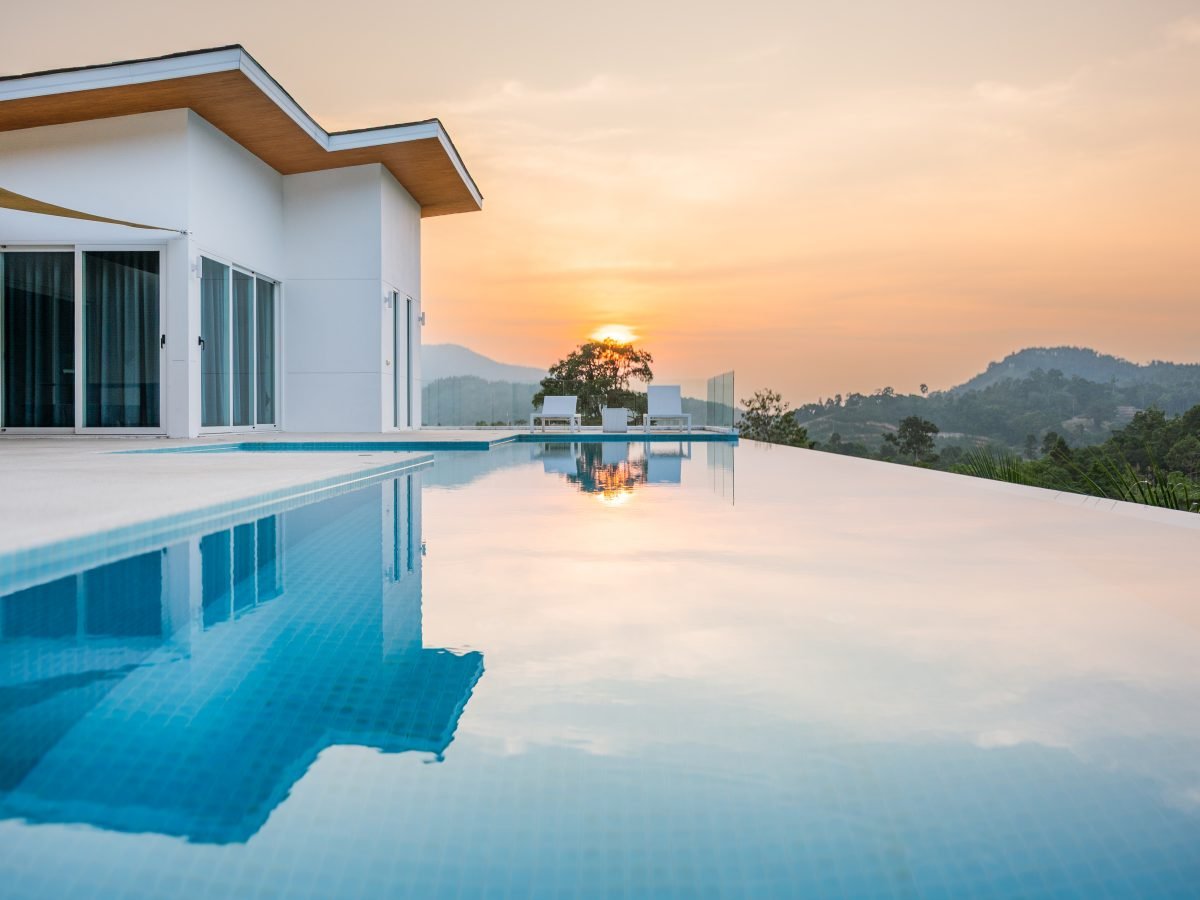
Neither is a bargain, but the gap is real. Six Senses entry villas typically open around 800 to 1,200 US dollars in season; Aman starts closer to 1,600 and climbs vertically. Aman’s pricing buys space and staff ratios nobody else matches. Whether that is worth 40 per cent more than a Six Senses villa with its own pool is a question only your accountant can settle.
So which suits you?
Choose Aman if you want to be left magnificently alone, if architecture moves you, and if the money genuinely does not matter. Choose Six Senses if you want to come home measurably better rested, if you like your luxury with some playfulness, and if you would rather fund two trips than one. Our honest answer: the couples we know who have done both alternate between them, and that may be the most accurate review of all.